
Planbrand vs Zoho CRM: running a brand, not just sales
Planbrand vs Zoho CRM: running a brand, not just sales
Zoho CRM is designed for enterprise sales teams and complex pipelines. Planbrand is designed to run the full brand operation — website, CMS, products, CRM, teams, and workflows — in one connected system. This page helps you decide which foundation fits how your business actually works.
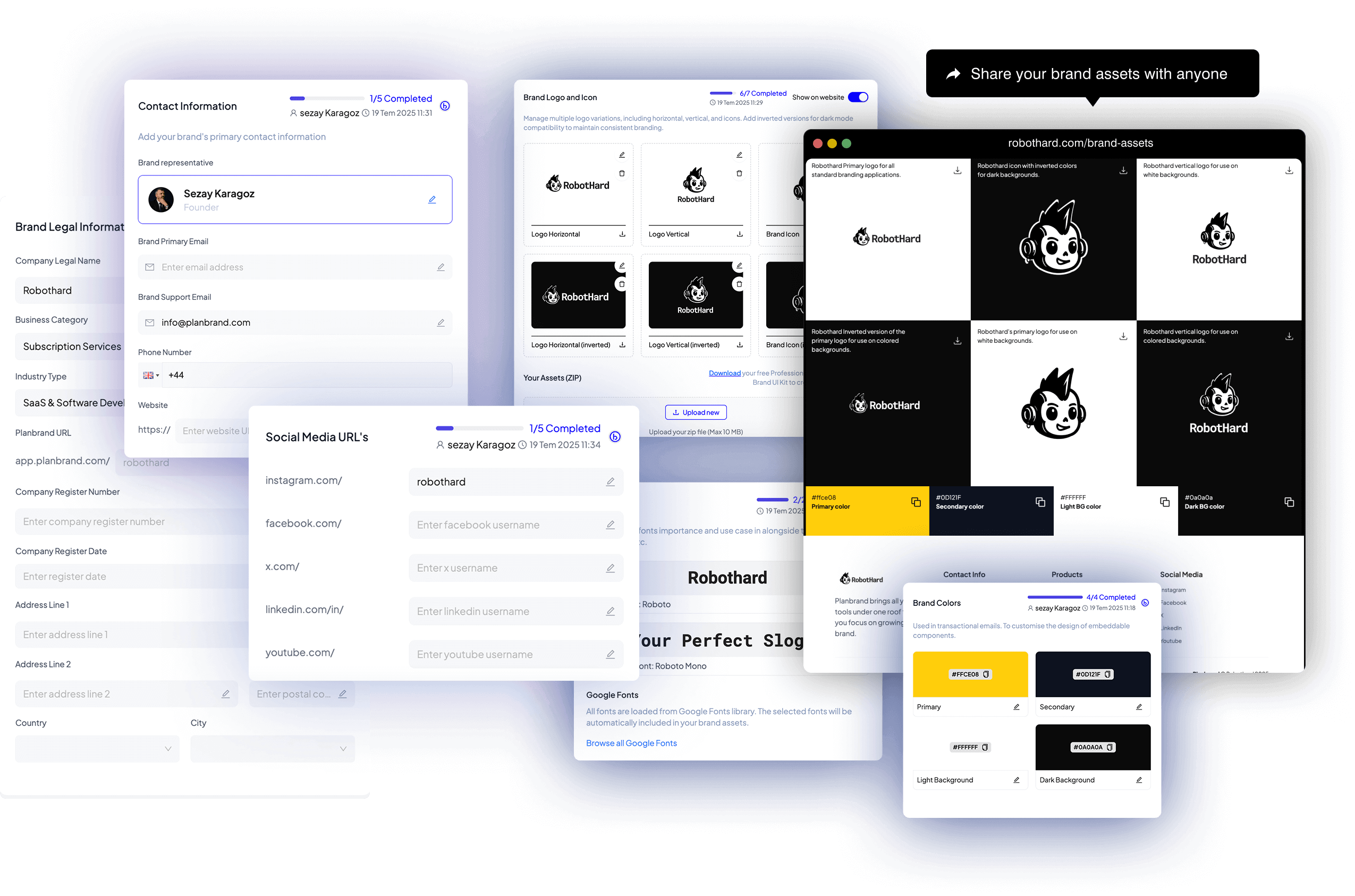
Brand. Operations. Clarity.
Brand. Operations. Clarity.
Planbrand replaces the sprawl of enterprise tools by giving teams one clear system to run their brand, content, products, CRM, and internal work together.
Planbrand replaces the sprawl of enterprise tools by giving teams one clear system to run their brand, content, products, CRM, and internal work together.
Zoho CRM excels at managing sales pipelines. Planbrand helps teams operate the full business beyond sales — from website and CMS to delivery workflows and team coordination.
Website + CMS
Website + CMS

Brand data
Brand data

Products
Products

Multi-brand
Multi-brand

Team roles
Team roles
Two systems built for very different problems
Two systems built for very different problems
Zoho CRM is extremely powerful for managing large sales teams, forecasting revenue, and reporting across complex pipelines. It assumes dedicated CRM ownership and multiple connected tools for website, content, and delivery.
Planbrand is built for founders, agencies, and teams who want one clear system to run their brand. Pages, CMS, products, CRM, and team workflows live together, so the business moves faster with less setup and fewer handovers.
What Planbrand covers beyond Zoho CRM
What Planbrand covers beyond Zoho CRM
Zoho CRM focuses on sales activity and reporting. Planbrand focuses on how a brand operates day to day, connecting customer data with pages, content, products, and teams.
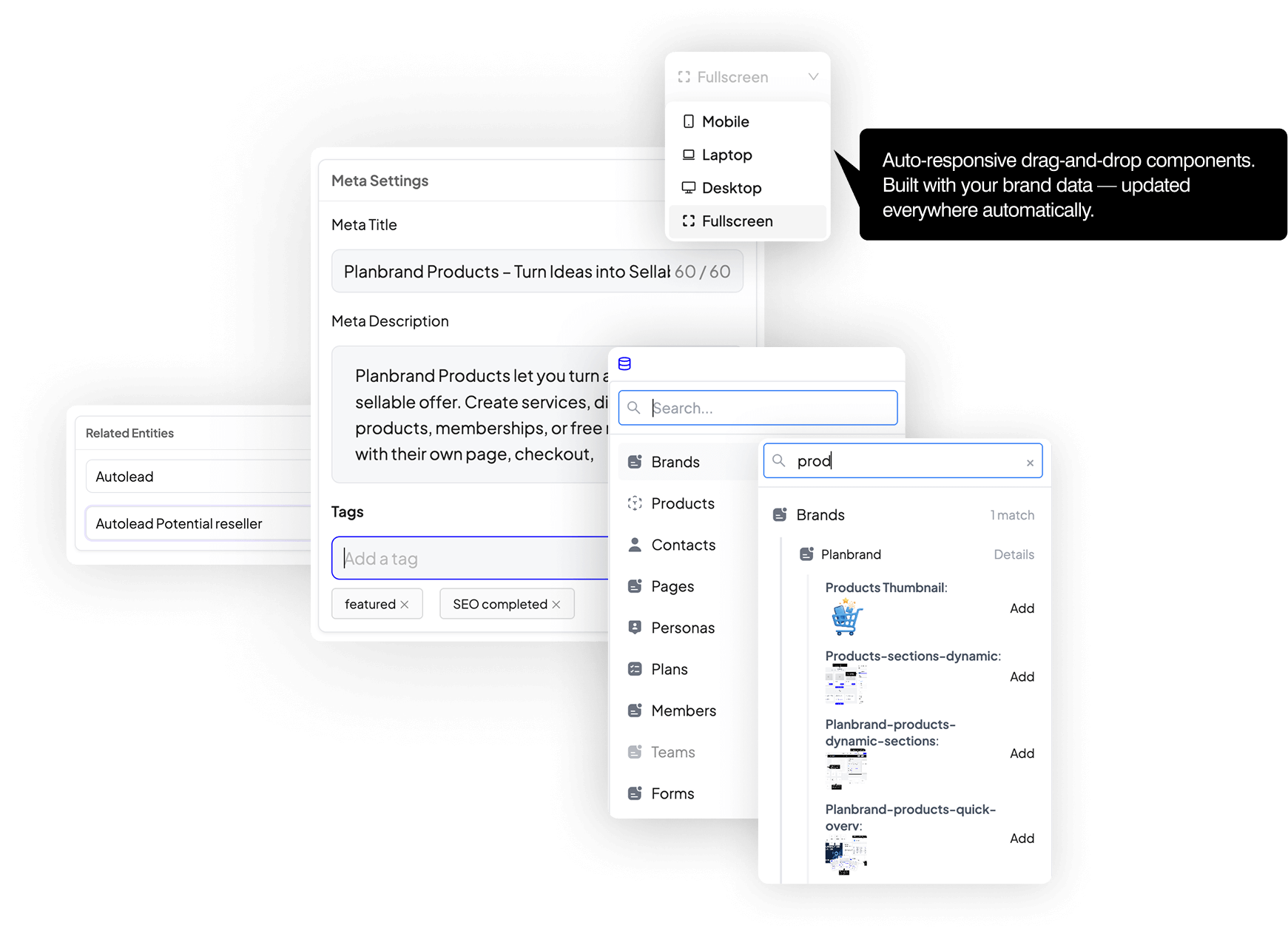
Website and CMS built in
Website and CMS built in
Create and manage your website and content without external tools.
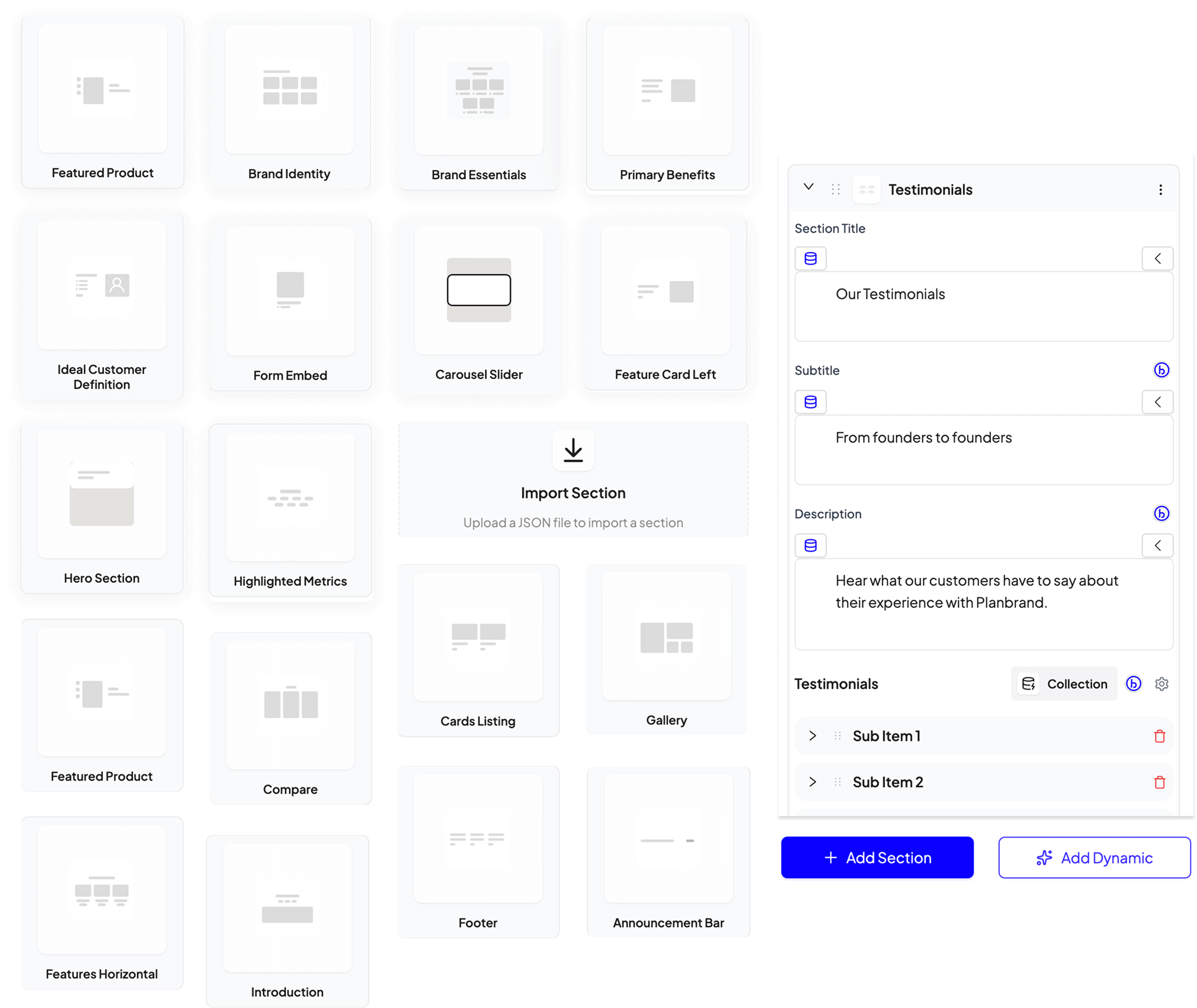
Brand-level data model
Brand-level data model
Content, contacts, and products share the same structured data.
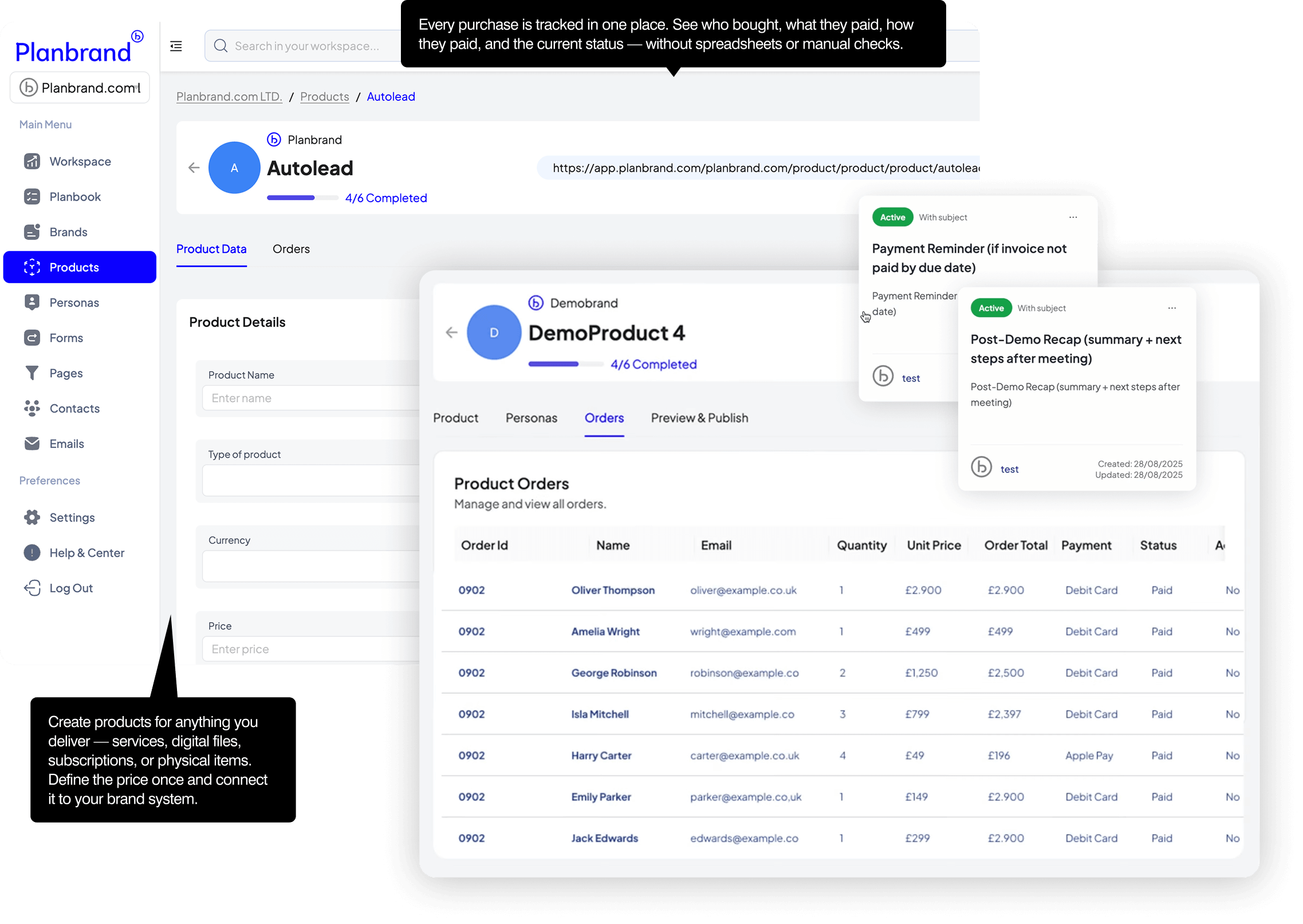
Products and payments
Products and payments
Sell services or products directly using built-in Stripe checkout.
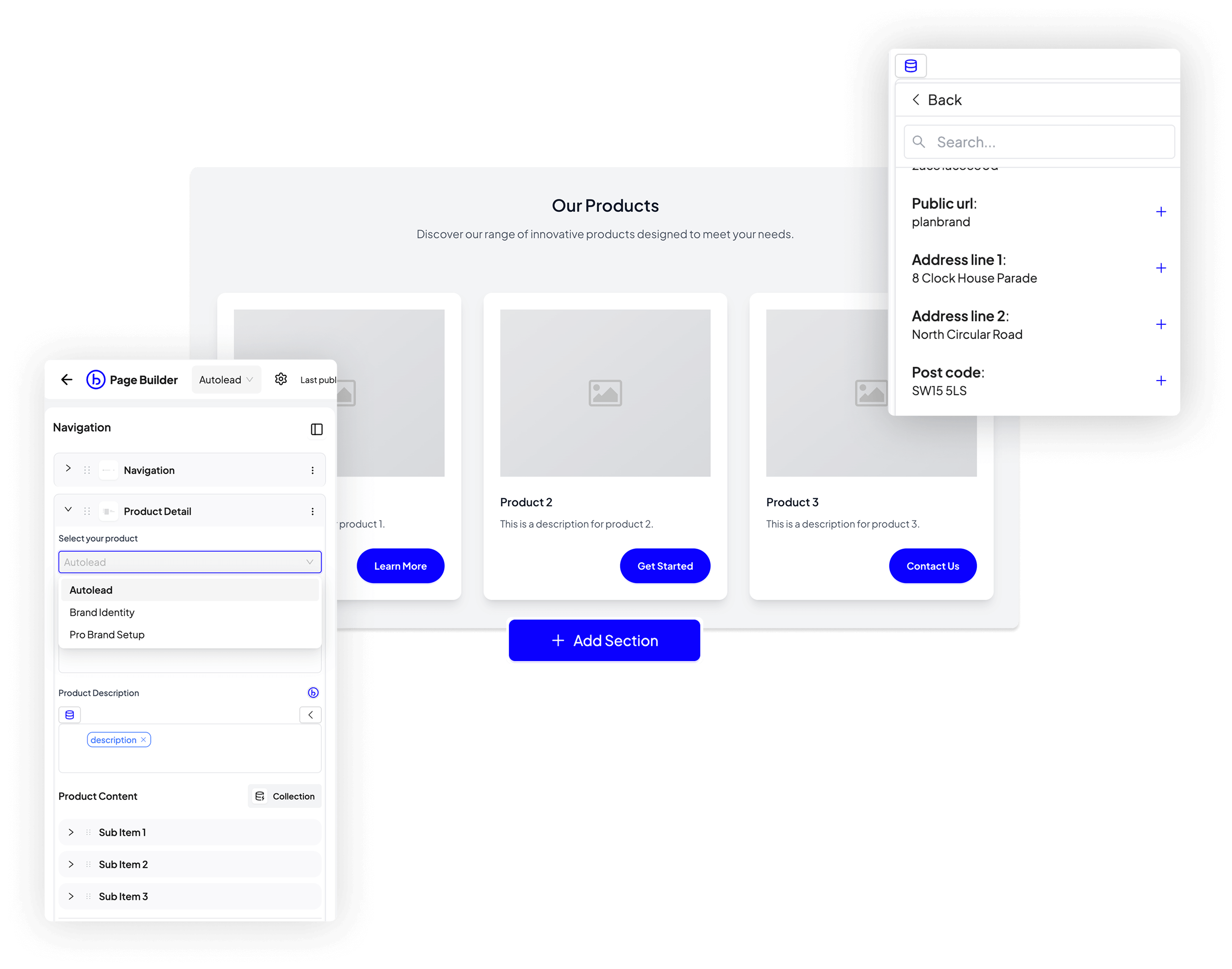
Pages, forms, and CRM linked
Pages, forms, and CRM linked
Every enquiry, lead, and page stays connected automatically.
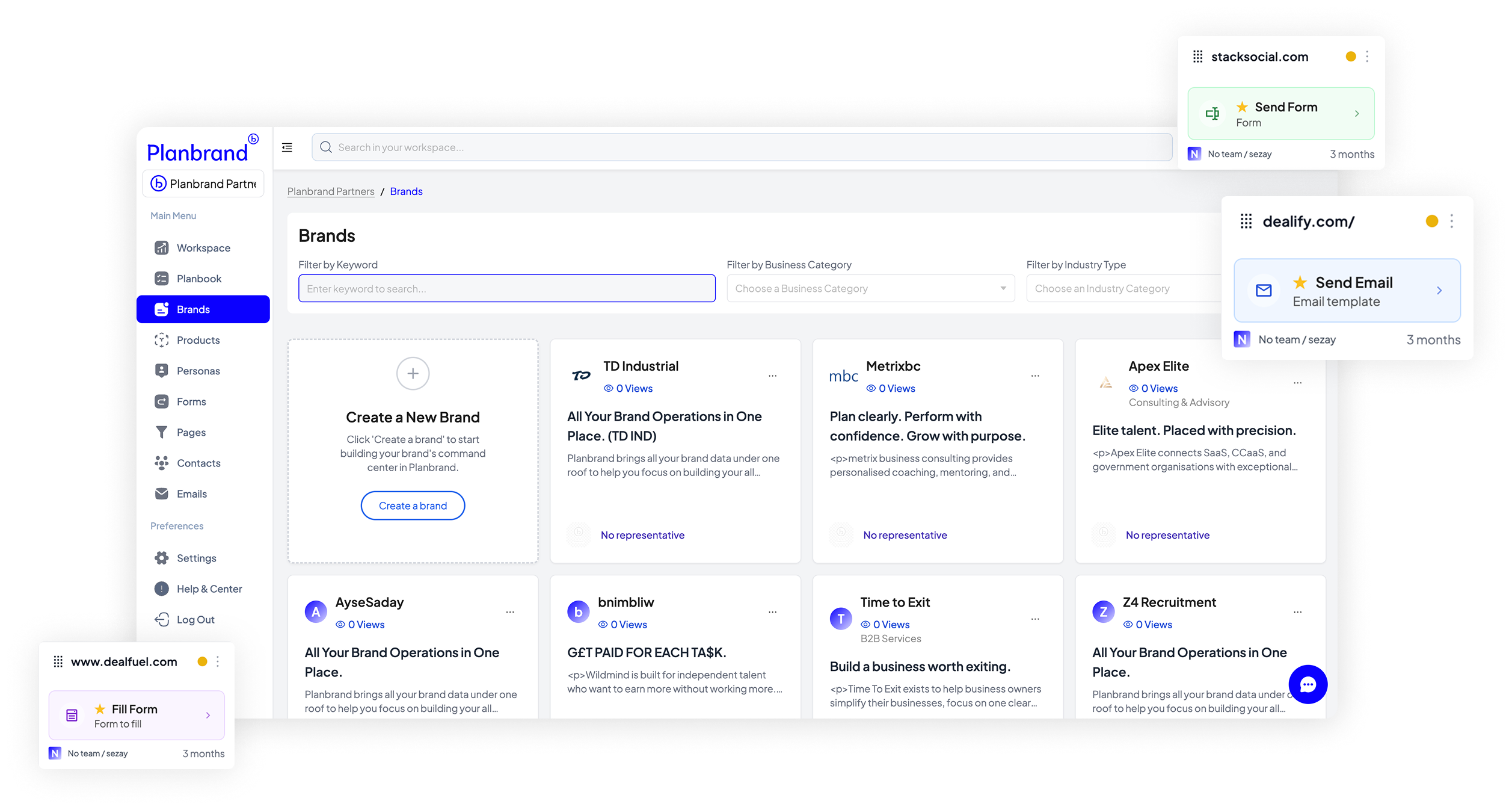
Multi-brand workspaces
Multi-brand workspaces
Run multiple brands or client businesses from one account.
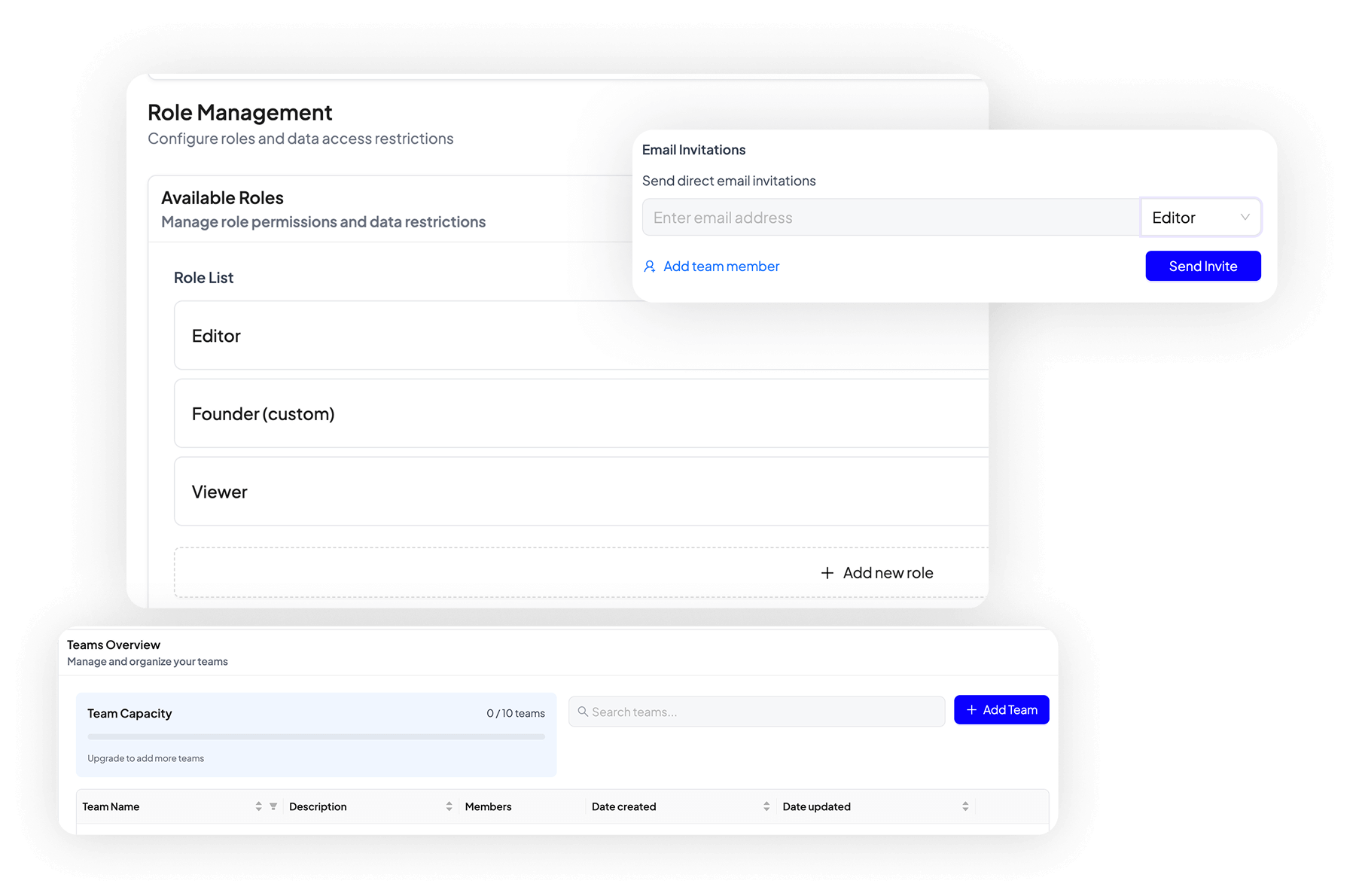
Roles and teams
Roles and teams
Control access clearly without enterprise-level complexity.
Zoho CRM organises sales. Planbrand organises the business for sales.
Zoho CRM organises sales. Planbrand organises the business for sales.
Zoho CRM is built around leads, deals, and forecasting. Planbrand is built around how a brand actually operates day to day — pages, content, products, contacts, and tasks working together in one system.
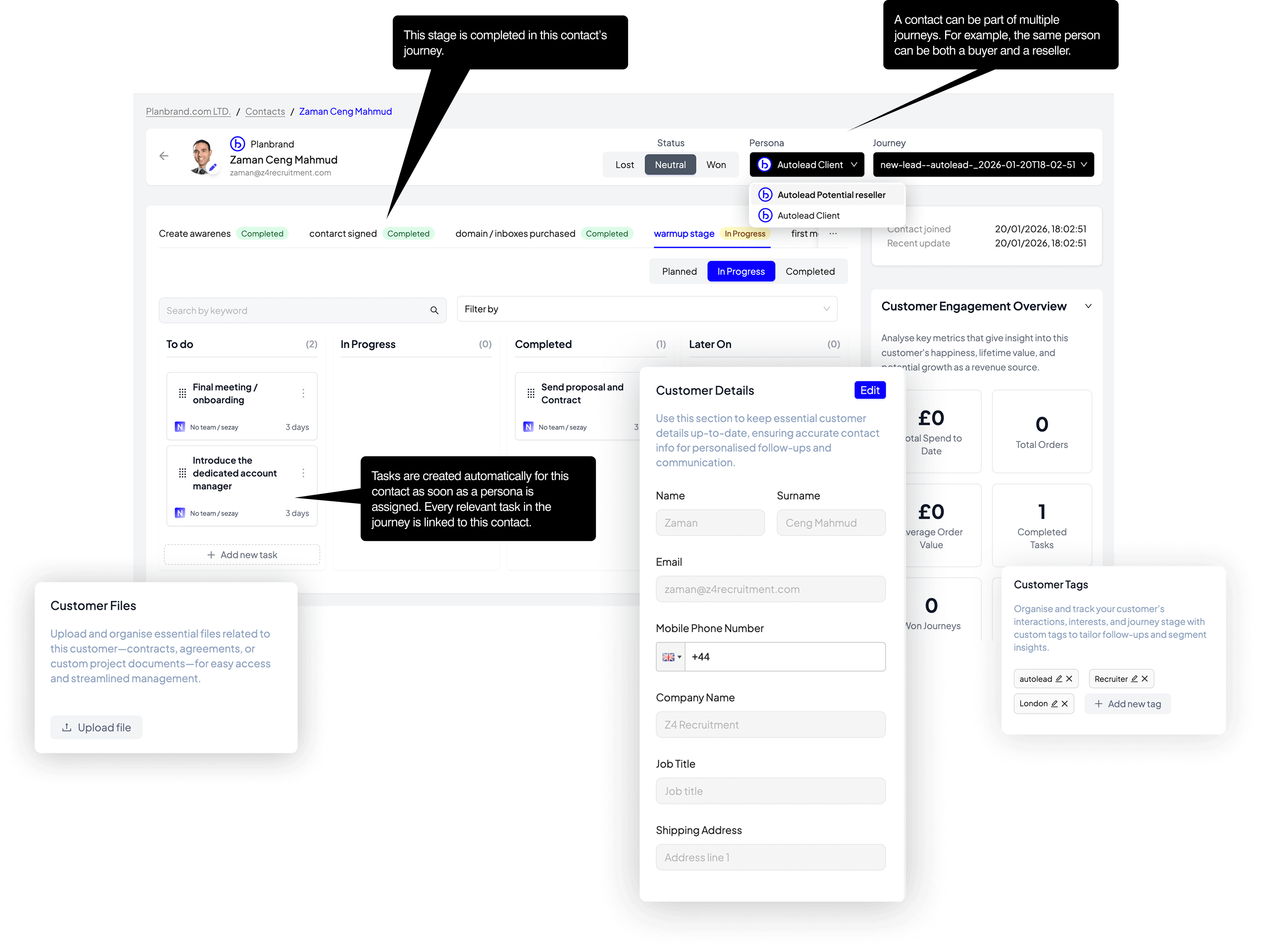
Fewer tools, fewer handovers
Fewer tools, fewer handovers
With Zoho CRM, teams usually rely on separate tools for website, CMS, ecommerce, and delivery. Planbrand brings these into one place so work moves faster and stays aligned.
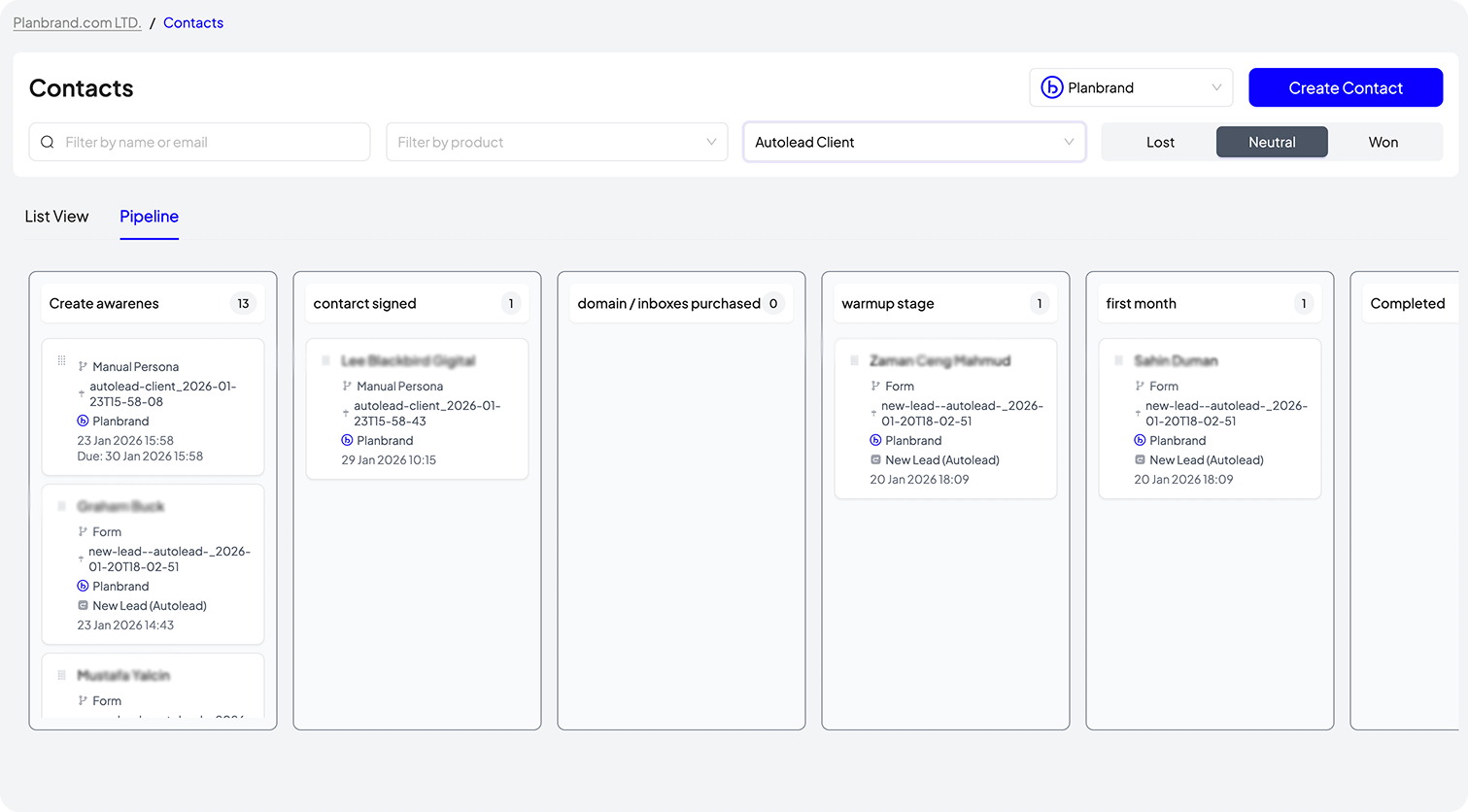
Designed for growing teams, not CRM admins
Designed for growing teams, not CRM admins
Zoho CRM often requires specialist setup and ongoing maintenance. Planbrand is designed so founders, operators, and teams can manage their system without heavy configuration.
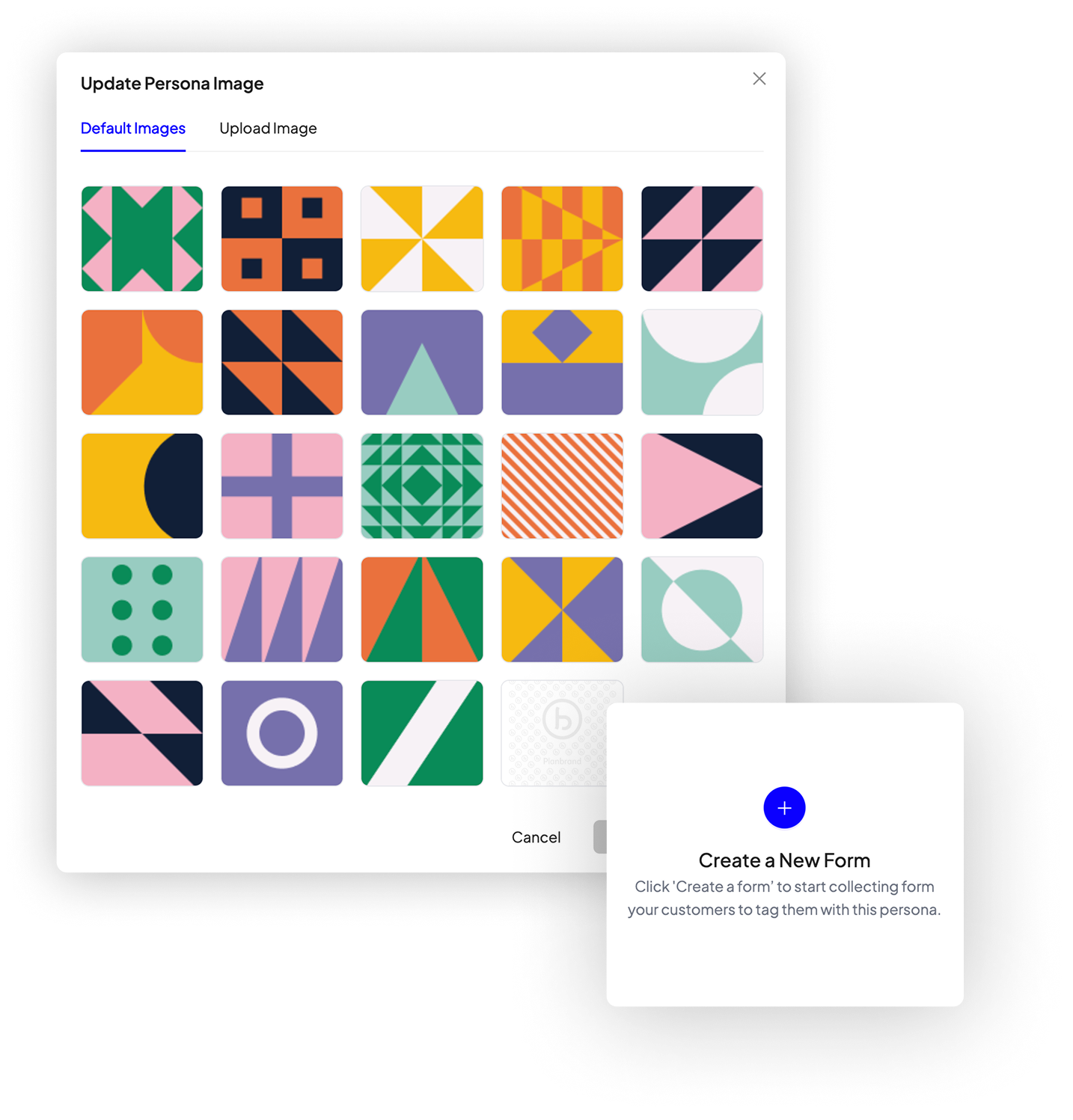


Beyond sales pipelines
Beyond sales pipelines
Run the business, not just sales
Run the business, not just sales
Zoho CRM is designed to track and optimise sales pipelines. Planbrand is built to operate the whole business, bringing websites, CRM, content, payments, and internal workflows into one connected system.
Business-first system
Business-first system
Planbrand connects sales, website, content, and operations in one place, while Zoho CRM focuses mainly on sales activity.
Built-in website layer
Built-in website layer
Create and manage pages, CMS content, and forms without external tools, instead of relying on third-party site builders.
Simpler team structure
Simpler team structure
Roles, permissions, and workflows are easier to manage without enterprise-heavy setup.
Lower operational overhead
Lower operational overhead
Fewer tools, fewer integrations, and clearer ownership across teams and brands.