From task boards to running the whole business
From task boards to running the whole business
Trello is excellent for visual task management and lightweight collaboration. Planbrand builds on that strength by connecting tasks with pages, contacts, products, and delivery plans, helping teams run their entire business from one system.
What Planbrand adds beyond Trello boards
What Planbrand adds beyond Trello boards
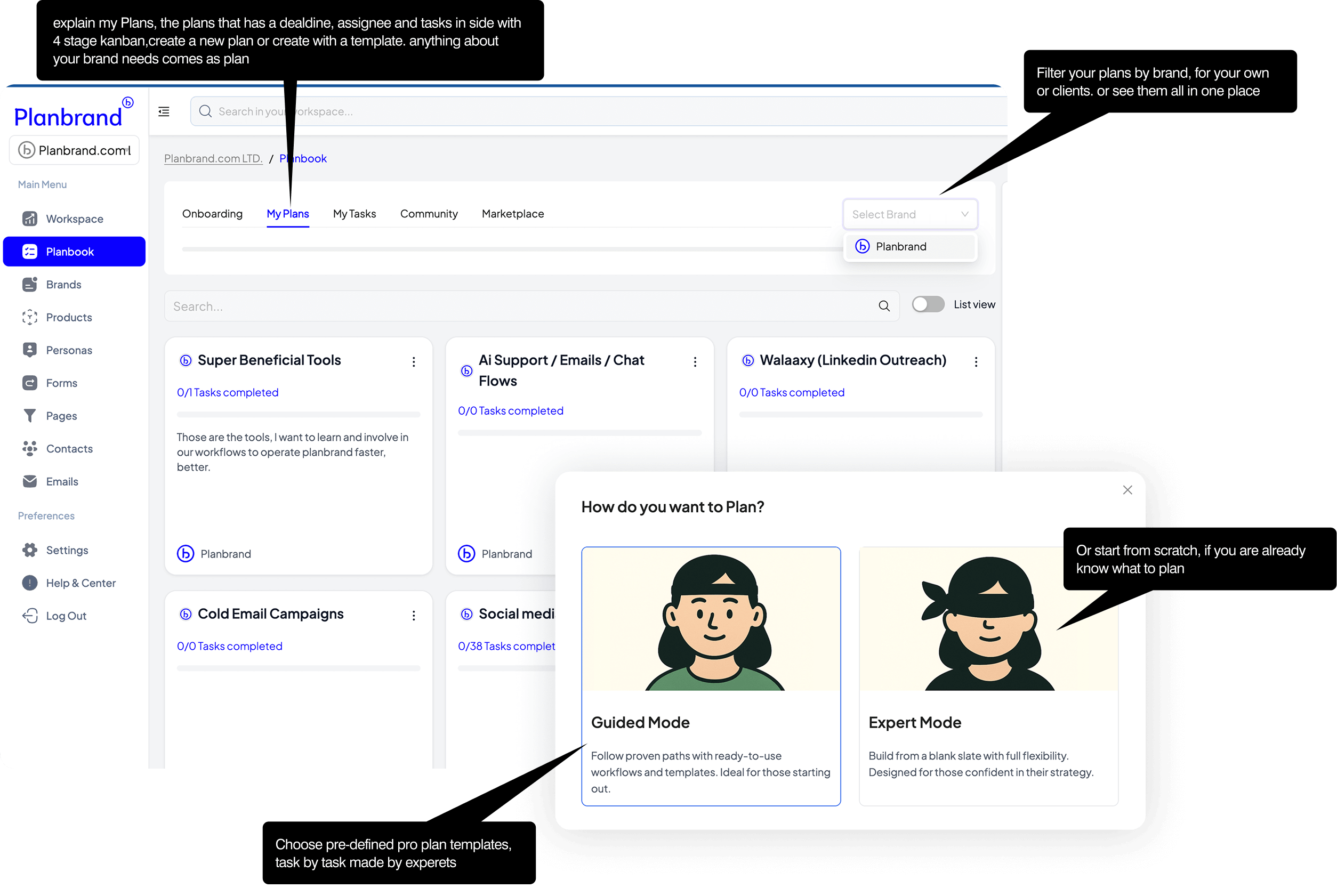
Trello helps you organise work. Planbrand helps you design how your business runs. These features show what becomes possible when tasks are connected to real business structure.
Brand‑based workspaces
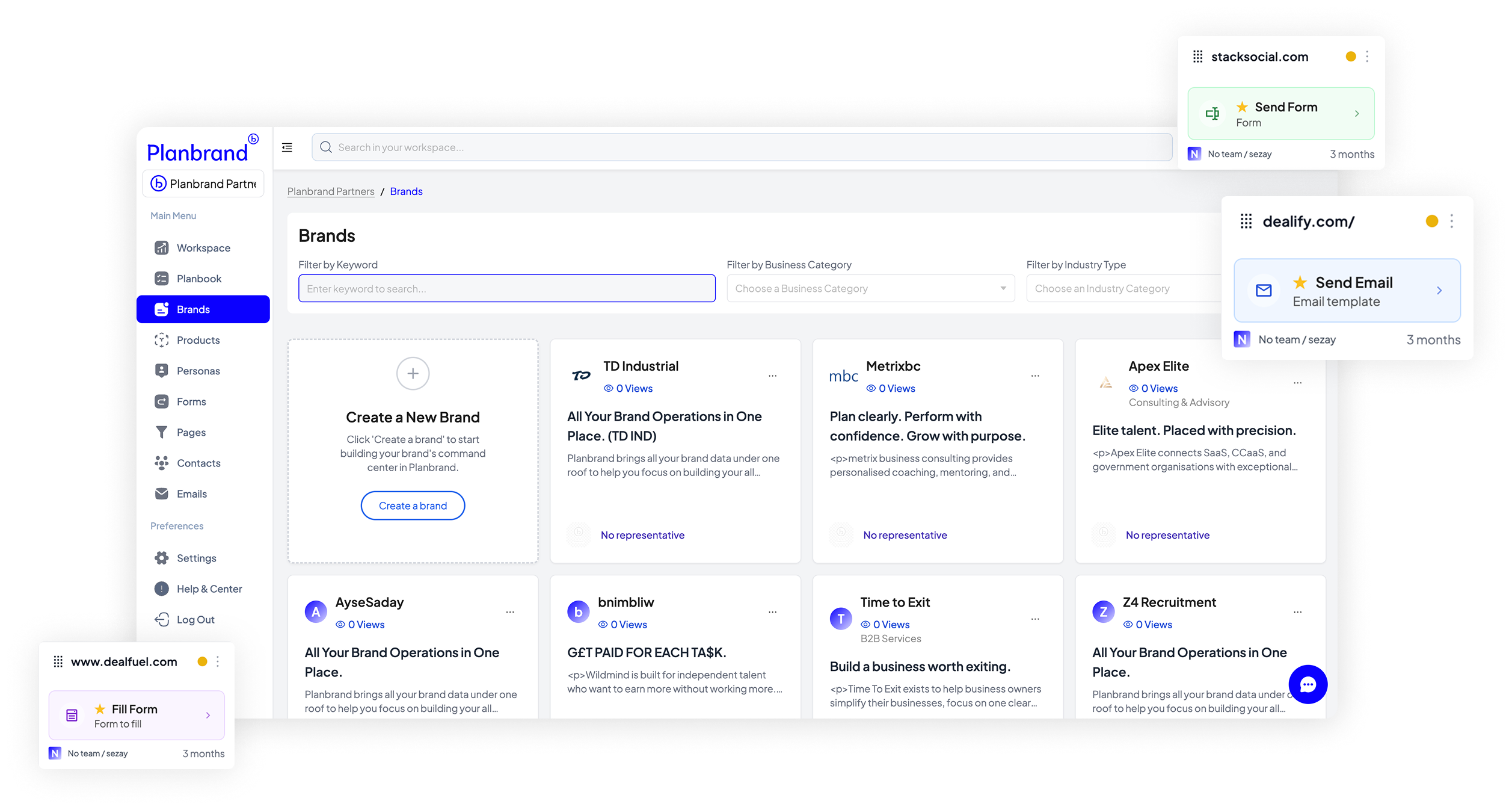
Brand‑based workspaces
Separate brands, teams, and projects without juggling multiple boards.
Plans and milestones
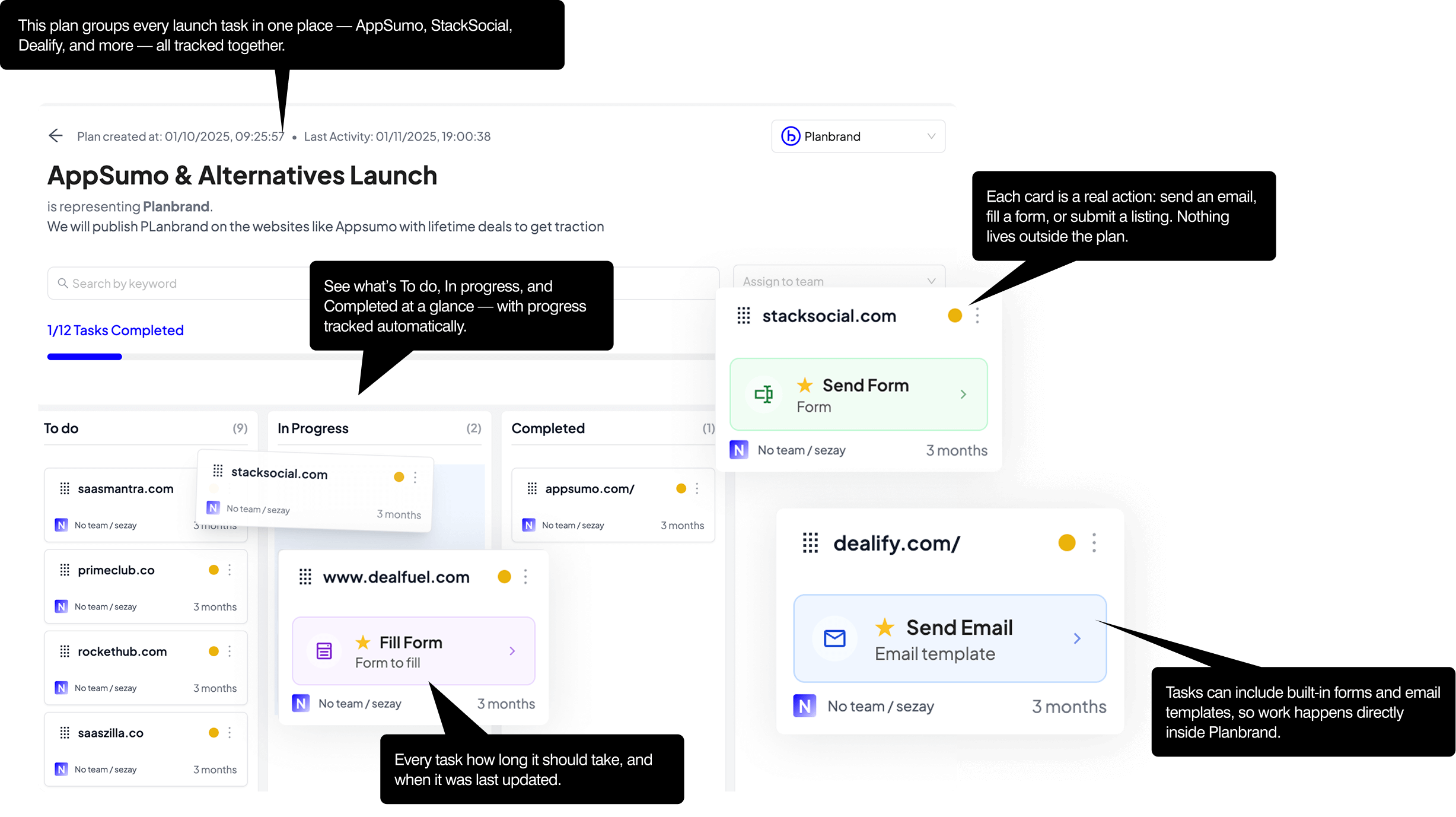
Plans and milestones
Group tasks into meaningful stages instead of flat to‑do lists.
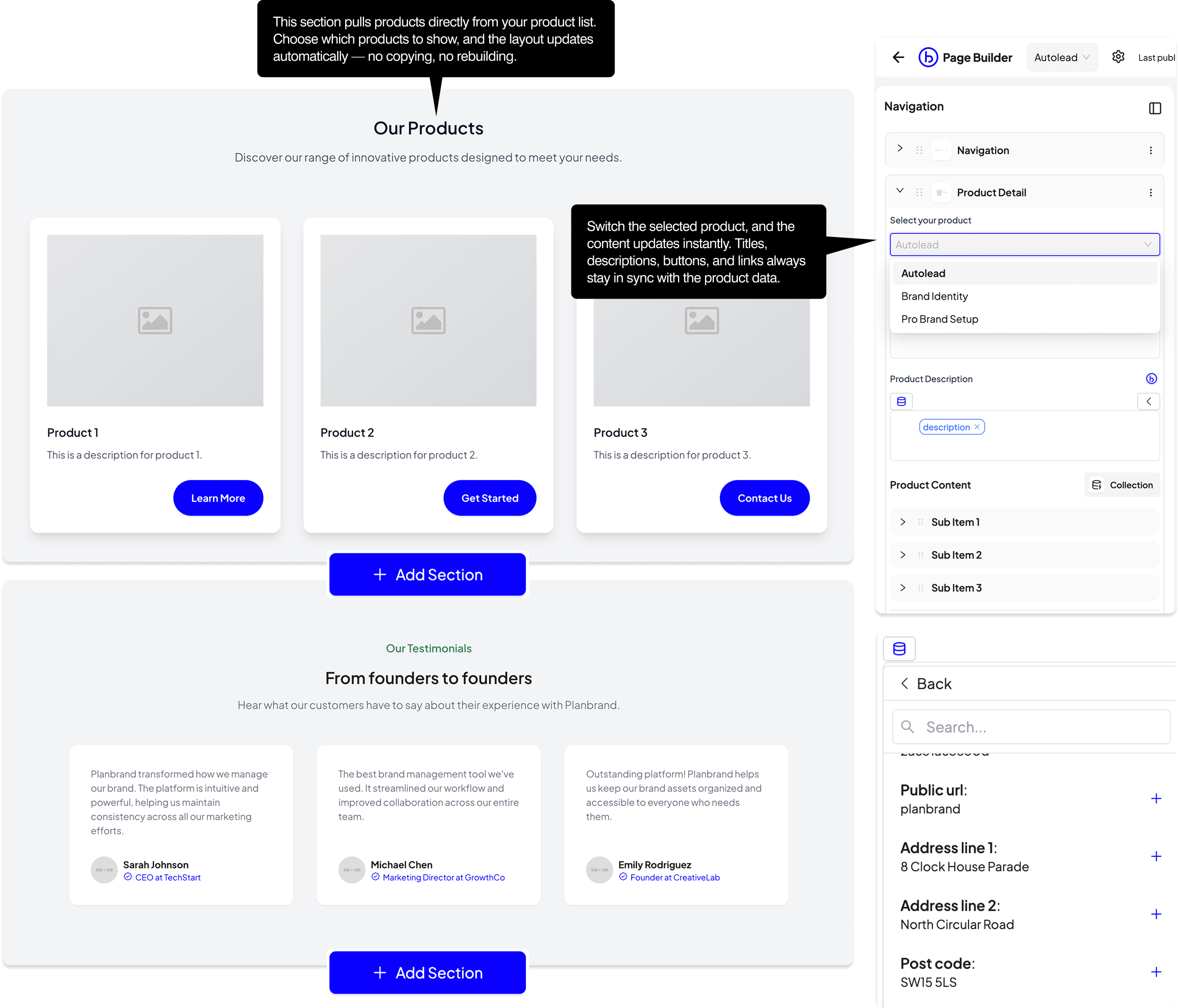
Pages and CMS
Pages and CMS
Turn work into live pages, resources, or internal systems.
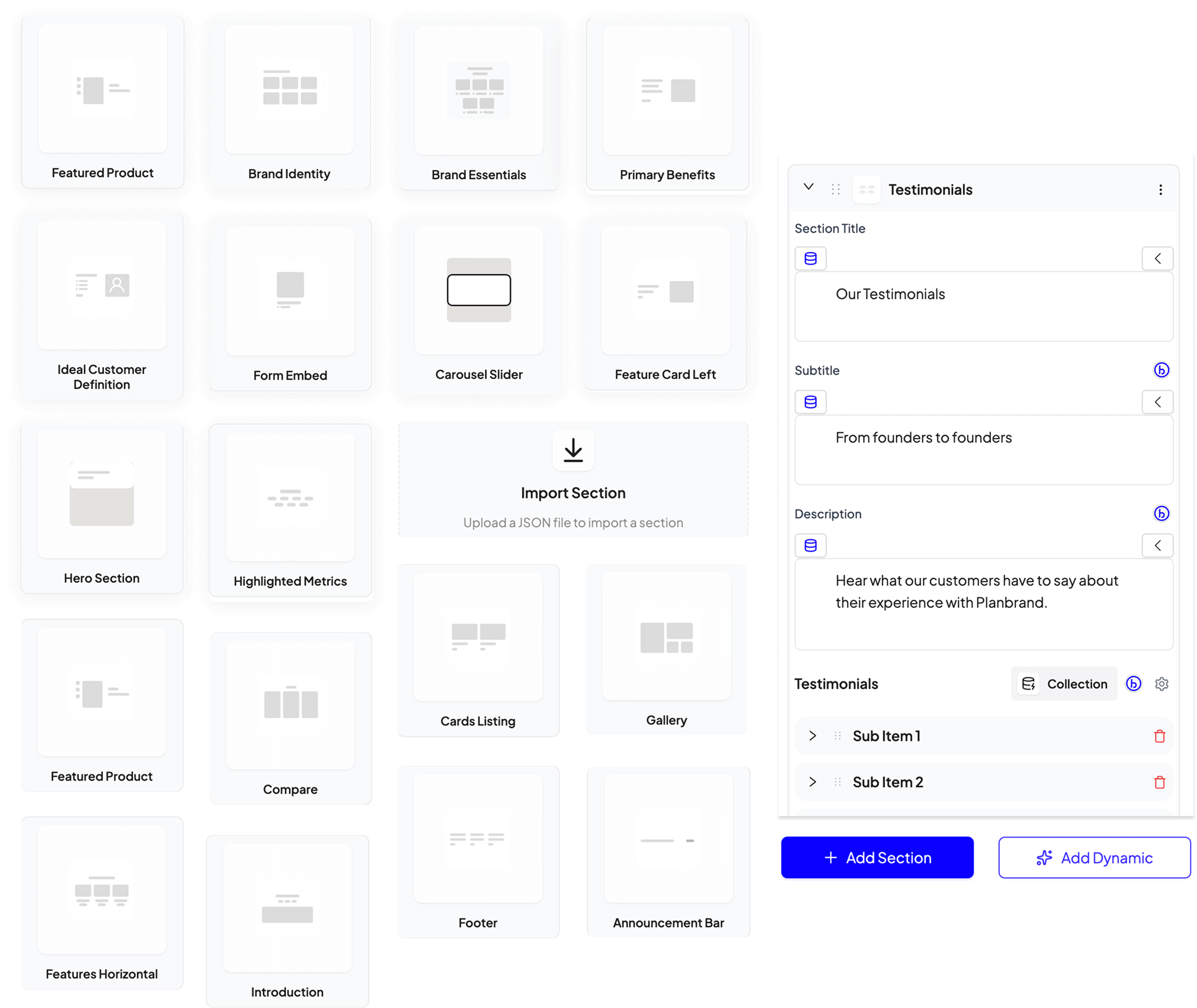
Forms and CRM
Forms and CRM
Collect data, leads, and updates directly into your workflow.
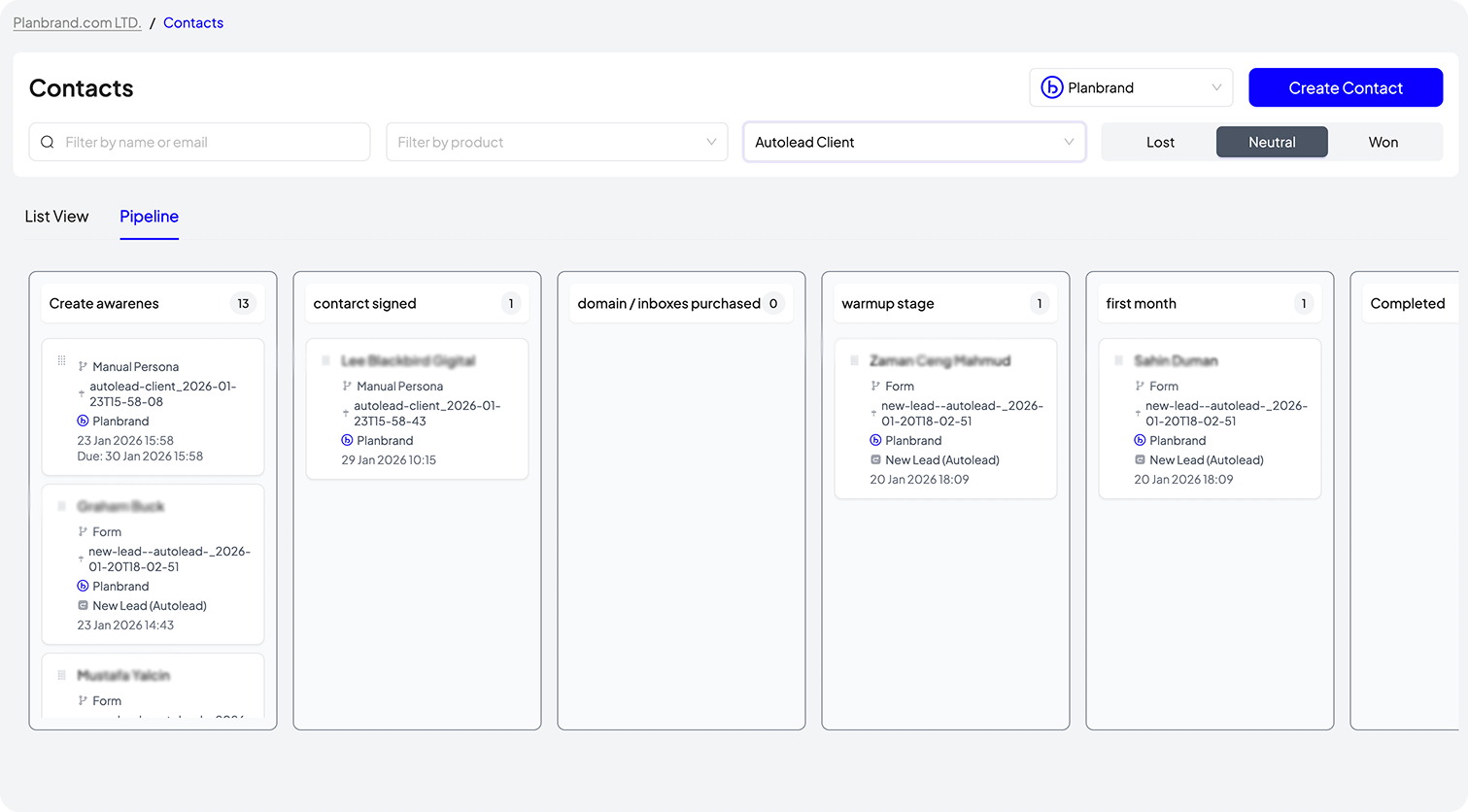
Automation‑ready actions
Automation‑ready actions
Trigger follow‑ups, messages, or next steps automatically.
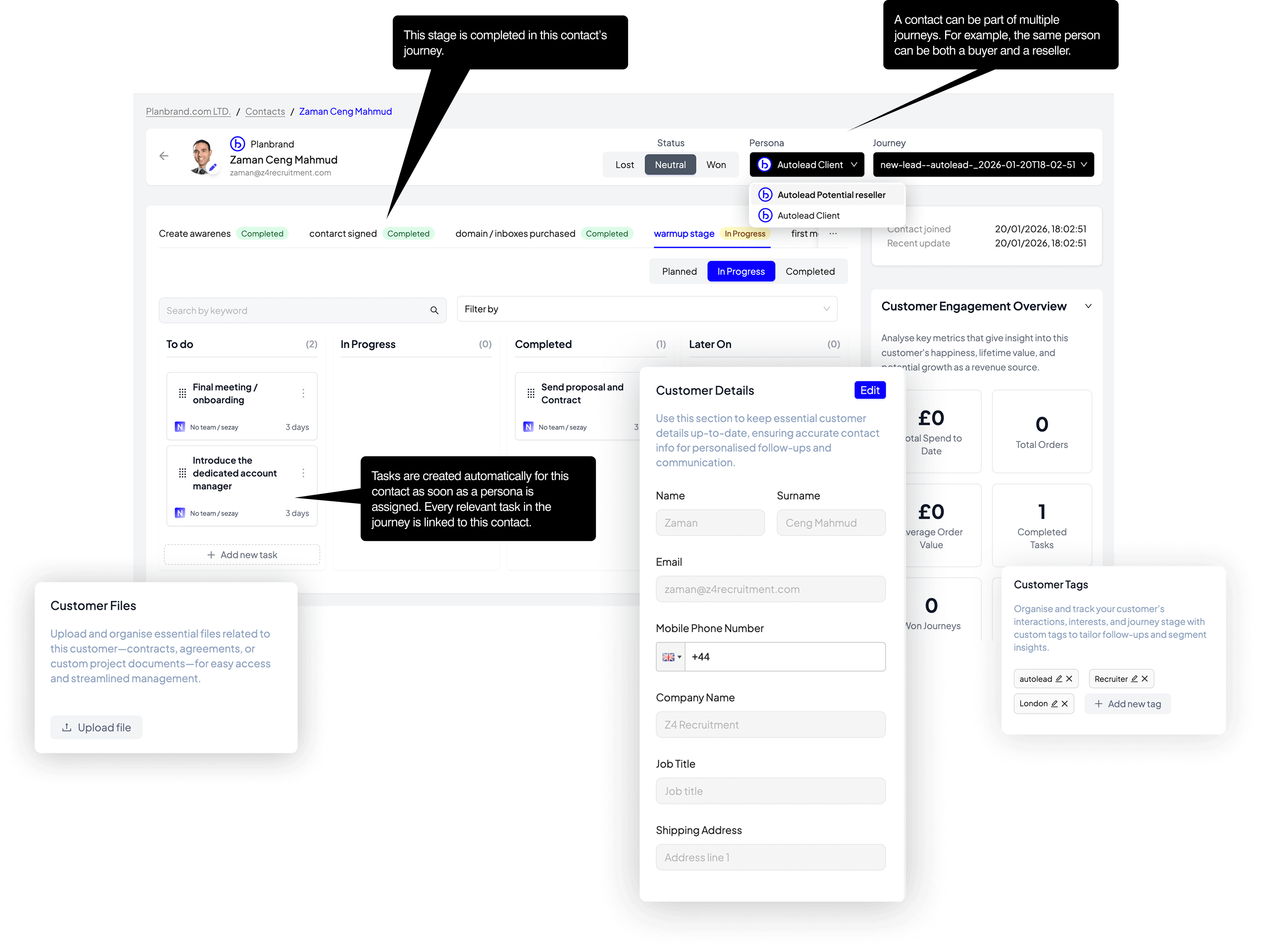
One connected system
One connected system
Tasks, content, contacts, and strategy stay linked by default.
From task boards to a full brand system
From task boards to a full brand system
Trello is excellent for visual task tracking and lightweight collaboration. Planbrand starts where Trello ends by connecting tasks to brands, pages, contacts, forms, and long‑term plans. Instead of managing isolated boards, you design how your whole business operates in one connected system.
When task boards are no longer enough
When task boards are no longer enough
Trello is excellent for organising tasks on boards. As work grows, teams often need more than cards and lists. Planbrand adds structure around tasks so work links to goals, people, and outcomes instead of living in isolation.
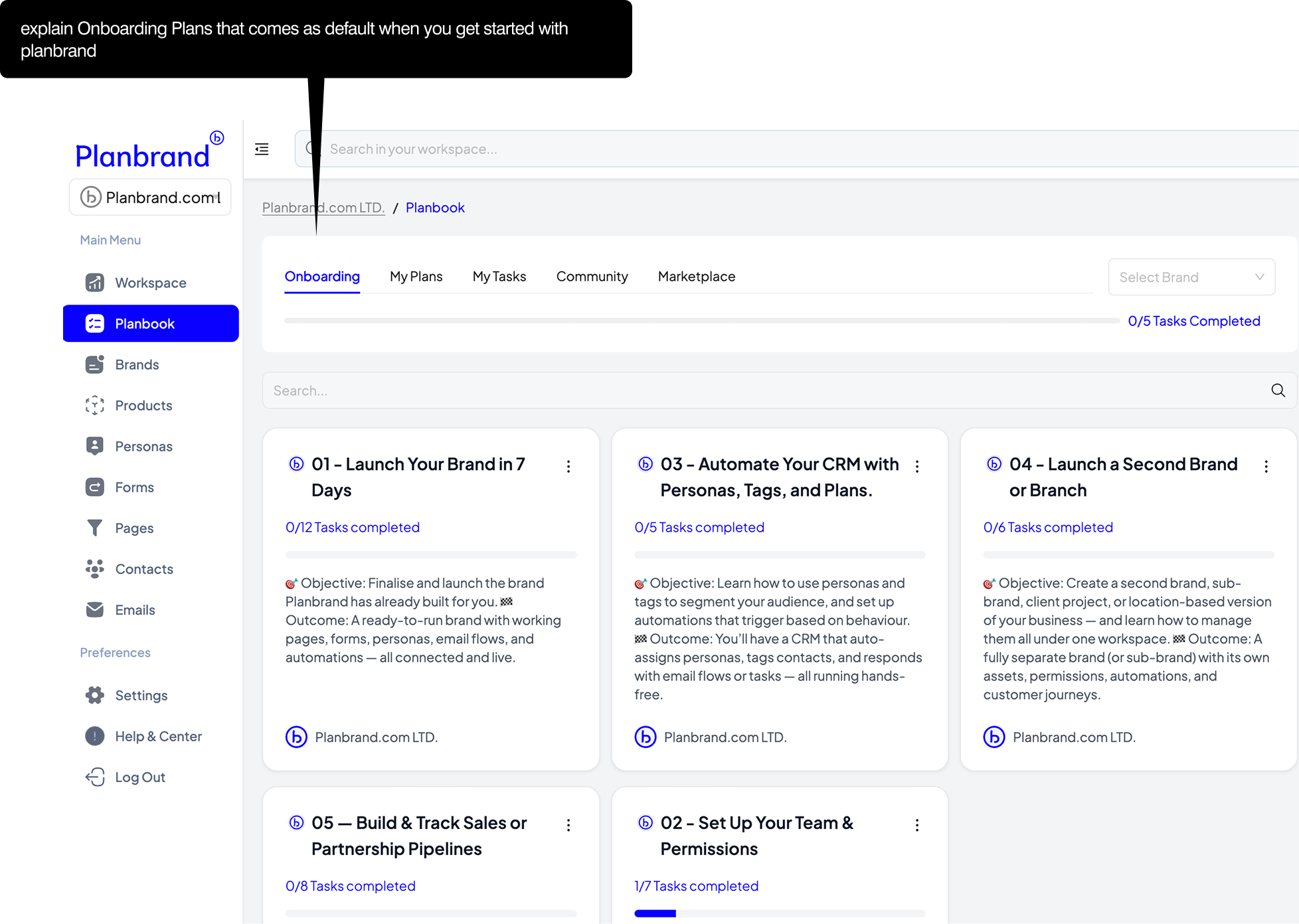
From tasks to connected work
From tasks to connected work
Trello helps teams see what to do next. Planbrand keeps tasks connected to pages, forms, contacts, and plans, so everyone understands why the work exists and what happens after it is done.
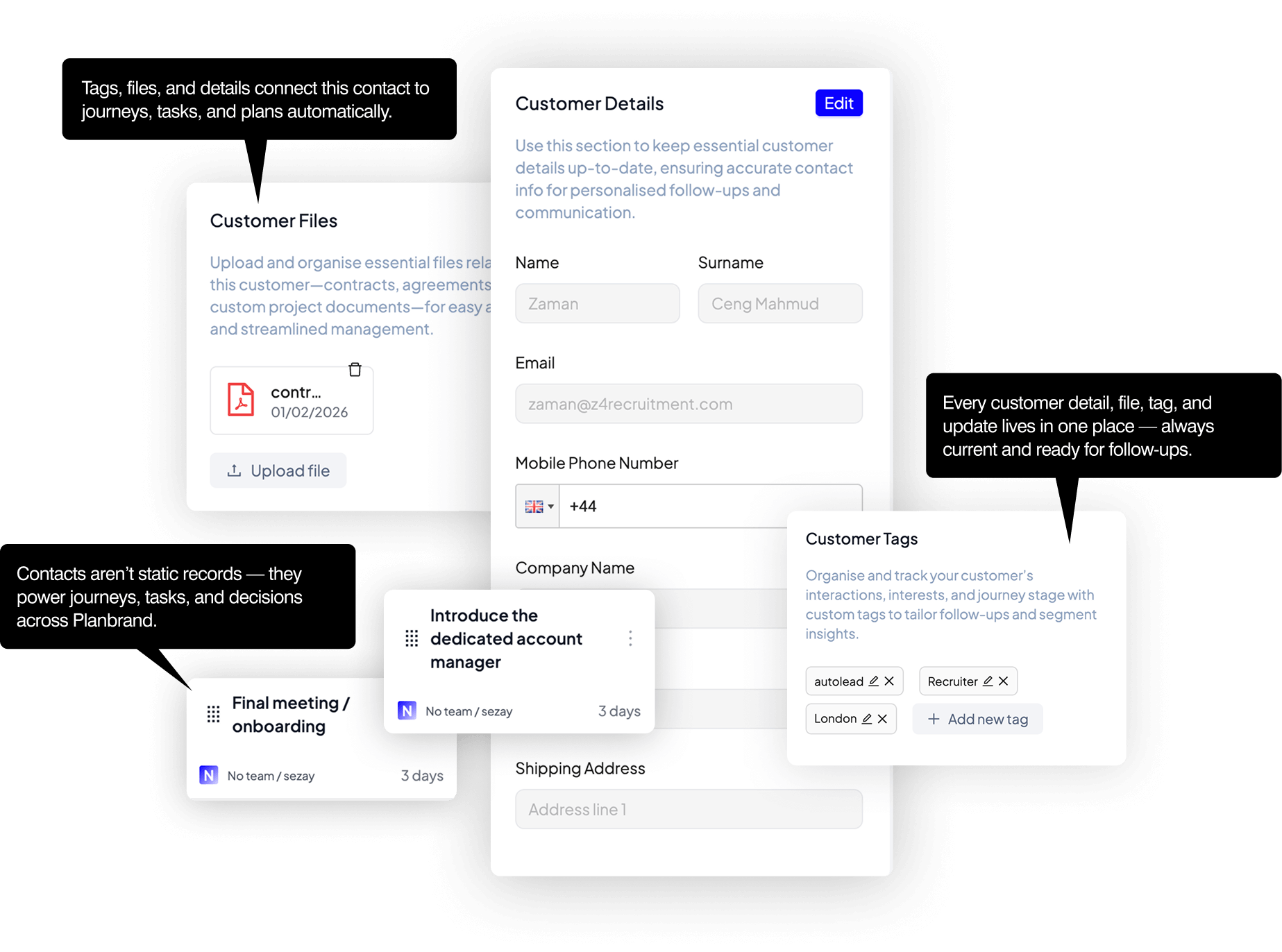
Designed for growth, not just tracking
Designed for growth, not just tracking
Trello stays intentionally simple. Planbrand builds on that simplicity by adding roles, permissions, and structured plans, helping teams grow without losing visibility or control.
When boards are no longer enough
When boards are no longer enough
Trello is great for organising tasks visually. As work grows, teams often need more structure around tasks. These features show how Planbrand supports work beyond simple boards.
Plans instead of boards
Plans instead of boards
Group tasks into structured plans and milestones, not just lists. This helps teams understand progress, not only activity.
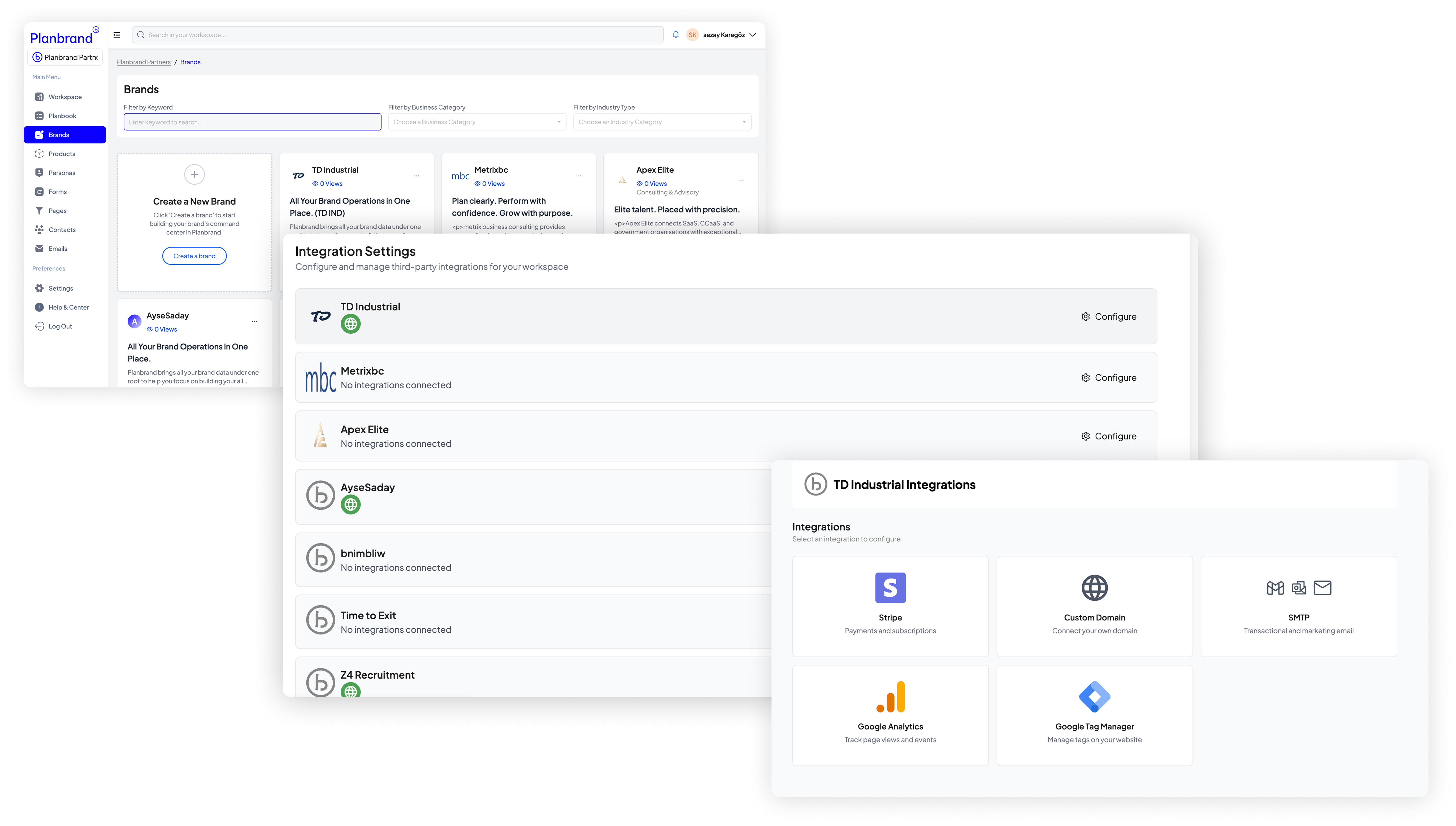
Connected brand workspace
Connected brand workspace
Tasks live inside a brand workspace with pages, contacts, and data. Work is always linked to its wider context.
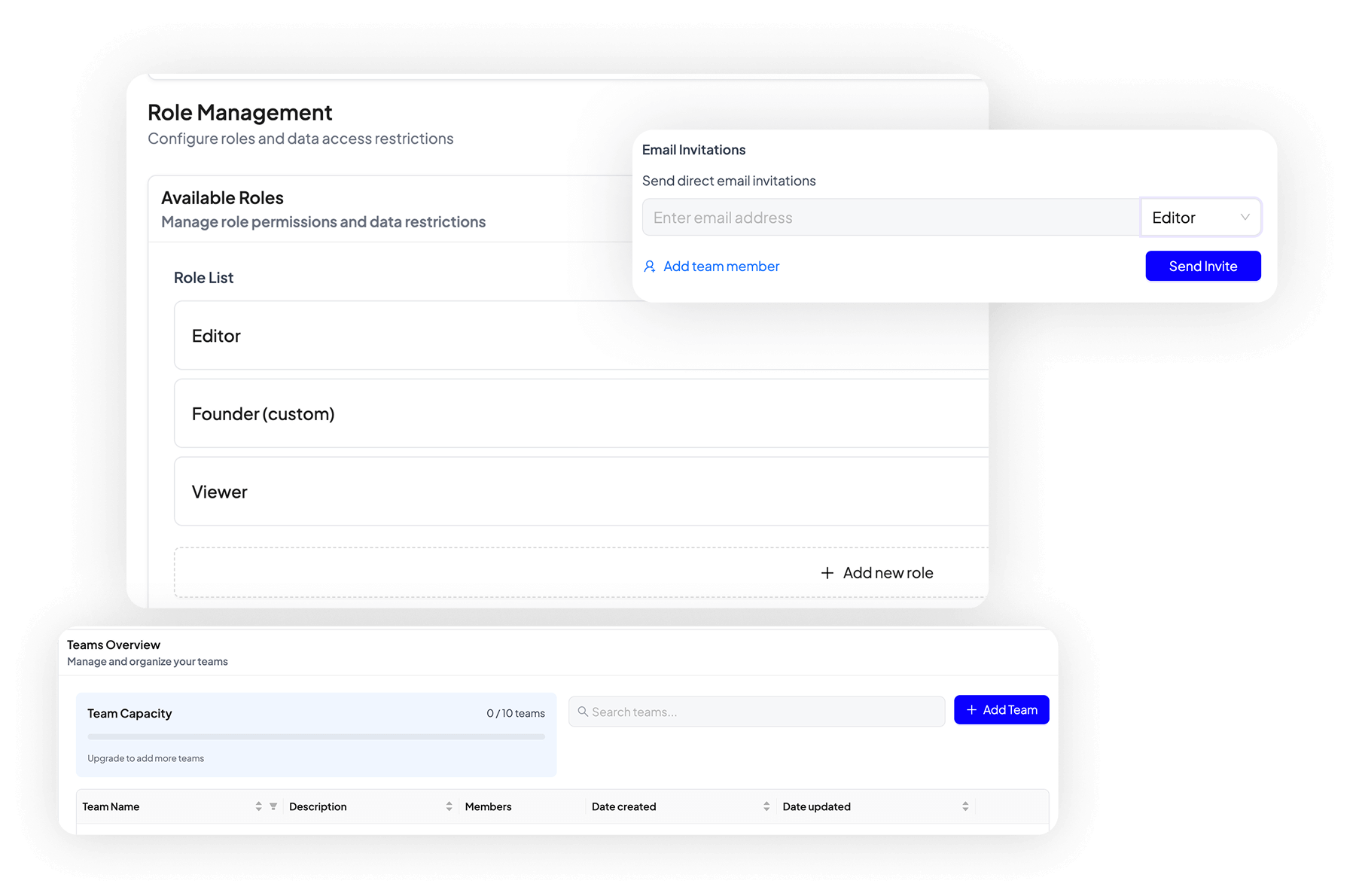
Roles and permissions
Roles and permissions
Control who can see, edit, or manage work as teams grow. Something Trello keeps intentionally lightweight.
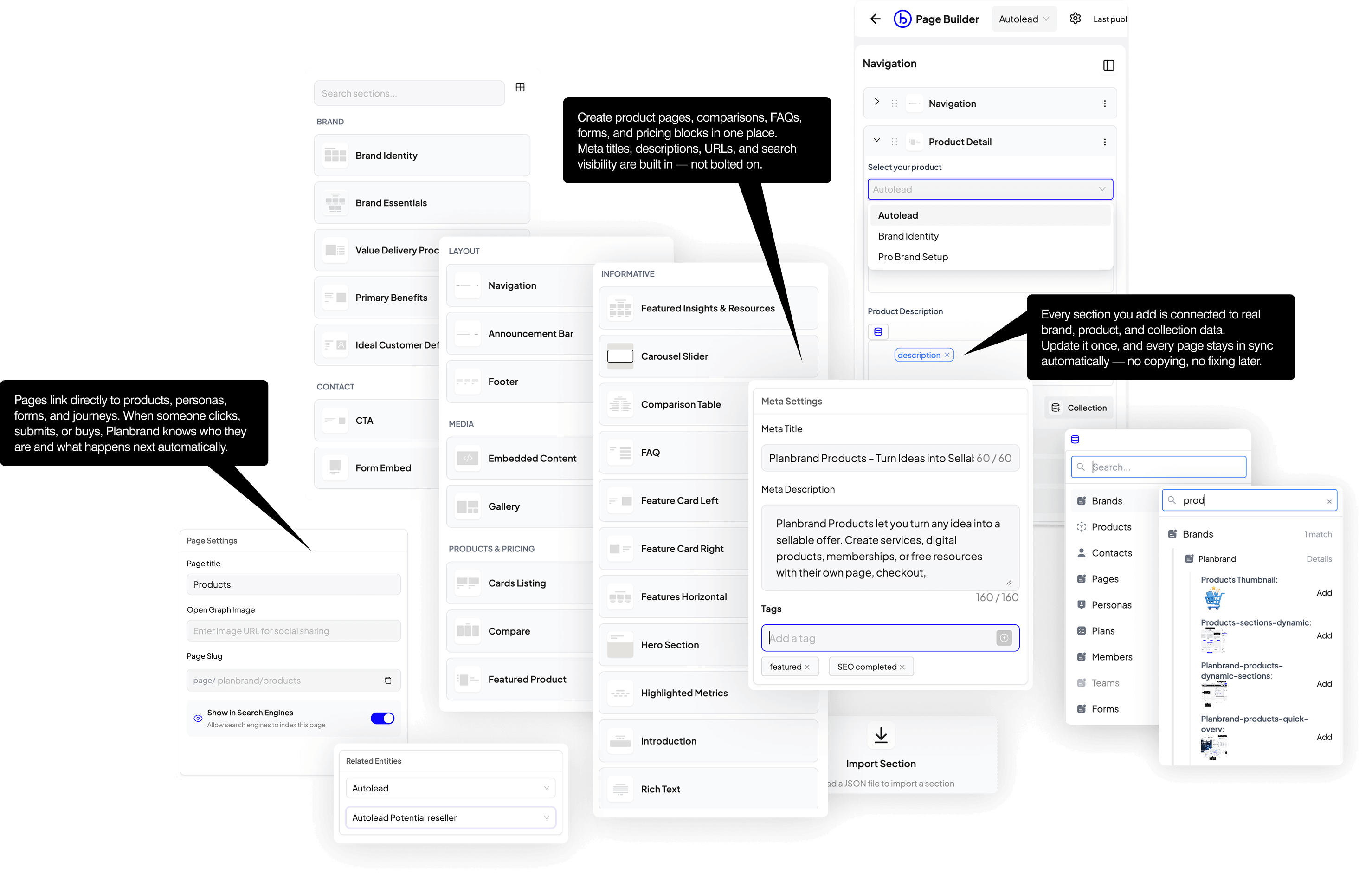
Pages and internal systems
Pages and internal systems
Turn work into live pages, guides, or internal tools. Not just cards that stop at completion.
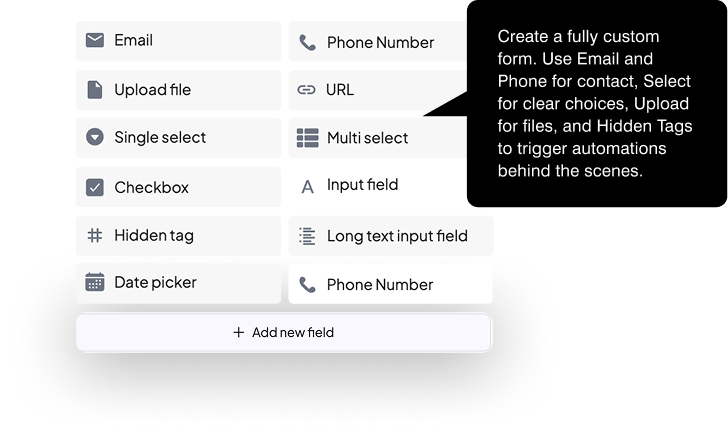
Forms and structured input
Forms and structured input
Collect updates, requests, or leads directly into your workflow. No need to rely on comments alone.
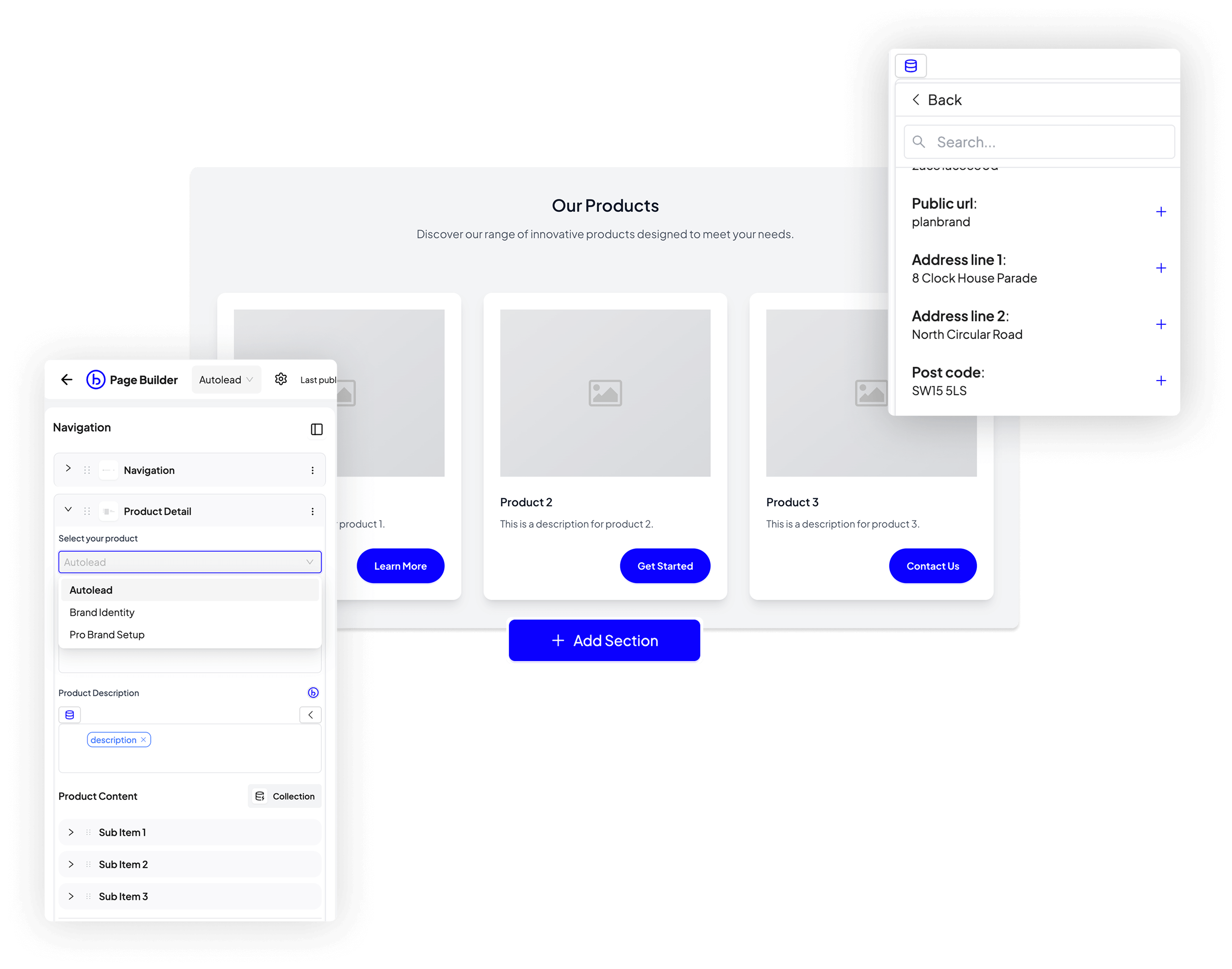
Business-wide visibility
Business-wide visibility
See tasks, plans, and outcomes across the whole business. Not spread across disconnected boards.
Structured. Connected. Scalable.
Structured. Connected. Scalable.
Move from task tracking to a structured way of running work, without losing the clarity that made Trello useful.
Move from task tracking to a structured way of running work, without losing the clarity that made Trello useful.
This page explains how teams typically move beyond Trello boards. Each step shows how Planbrand adds structure around tasks so work connects to goals, people, and outcomes.
Start with tasks
Start with tasks
Import or recreate your existing boards as tasks.
Add structure
Add structure
Group tasks into plans and milestones.
Connect context
Connect context
Link work to pages, forms, and contacts.
Run the system
Run the system
Manage delivery and progress in one place.
Beyond simple task boards
Beyond simple task boards
When Trello is not enough
When Trello is not enough
Trello is excellent for organising tasks visually. As teams grow, they often need more structure around ownership, delivery, and outcomes. Planbrand supports this next stage without removing the clarity teams value.
Connected work context
Connected work context
Tasks stay linked to pages, contacts, and plans, not isolated on boards.
Clear ownership
Clear ownership
Roles and responsibilities are visible as teams expand.
Structured delivery
Structured delivery
Work moves through plans and milestones, not endless lists.
Business visibility
Business visibility
See progress across the whole business, not just one board.
When Trello boards stop scaling
When Trello boards stop scaling
Trello is excellent for simple task tracking. This comparison shows when teams need more structure, visibility, and connection across their work.
Trello boards
Trello boards
Flat task lists
Boards per project
Tasks only
Manual follow‑ups
Limited ownership
No delivery layer
Comments for updates
Isolated boards
No brand context
Hard to scale
Visual only
No CMS or pages
No CRM
No product layer
No automation
No reporting view
Per‑board thinking
Task completion focus
Tool sprawl later
Good for tasks
Planbrand system
Planbrand system
Structured plans
Unified workspace
Tasks with context
Connected workflows
Clear roles
Built‑in delivery
Structured inputs
Linked work
Brand‑level work
Designed to scale
Operational view
Pages included
Contacts built‑in
Products connected
Action‑ready
Business overview
System thinking
Outcome focus
Fewer tools
Good for operations
Planbrand vs Trello
Planbrand vs Trello
Questions Trello users usually ask
Questions Trello users usually ask
These answers help teams understand when Trello is enough and when a more structured system like Planbrand makes sense.

Everything your business need. In one place.
Everything your business need. In one place.
When you are managing your business, tools must be simple and connected. These features help you move from idea to action without confusion or extra setup.
One place for your whole business
One place for your whole business
Keep your brand, pages, contacts, and tasks together. No switching between tools or losing track of what matters.
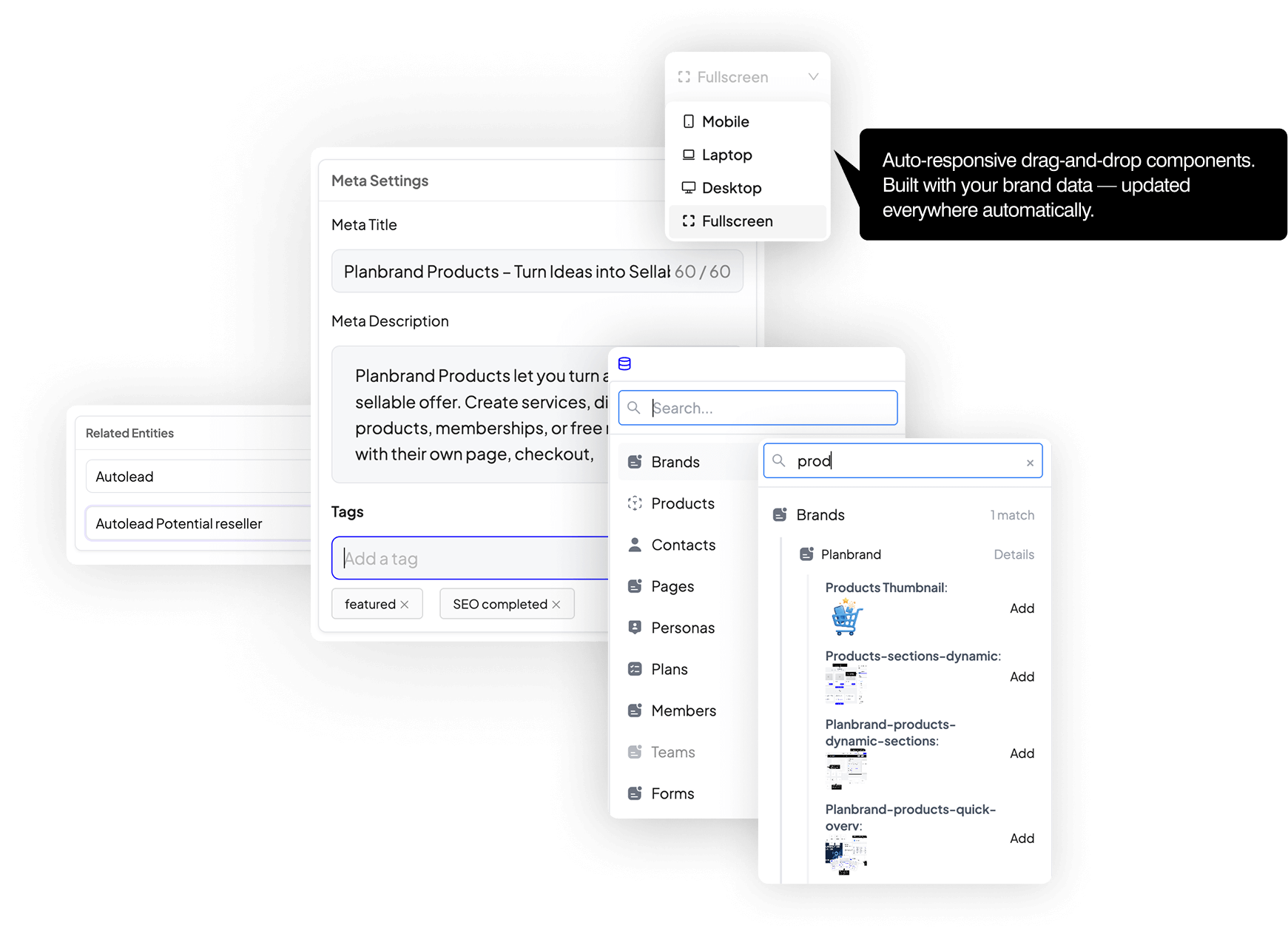
Build pages without technical skills
Build pages without technical skills
Create pages by filling fields instead of designing from scratch. Your content stays clear and easy to update.
Turn visitors into contacts
Turn visitors into contacts
Collect leads with simple forms connected to your workspace. Every contact is saved and organised automatically.
Manage Your Contacts
Stay organised day to day
Stay organised day to day
Use plans and tasks to know what to do next. This keeps your work focused when you are working alone.
See Onboarding tasks
Grow at your own pace
Grow at your own pace
Start simple as a solo founder. Add more structure only when your business grows.
Launch Your Website
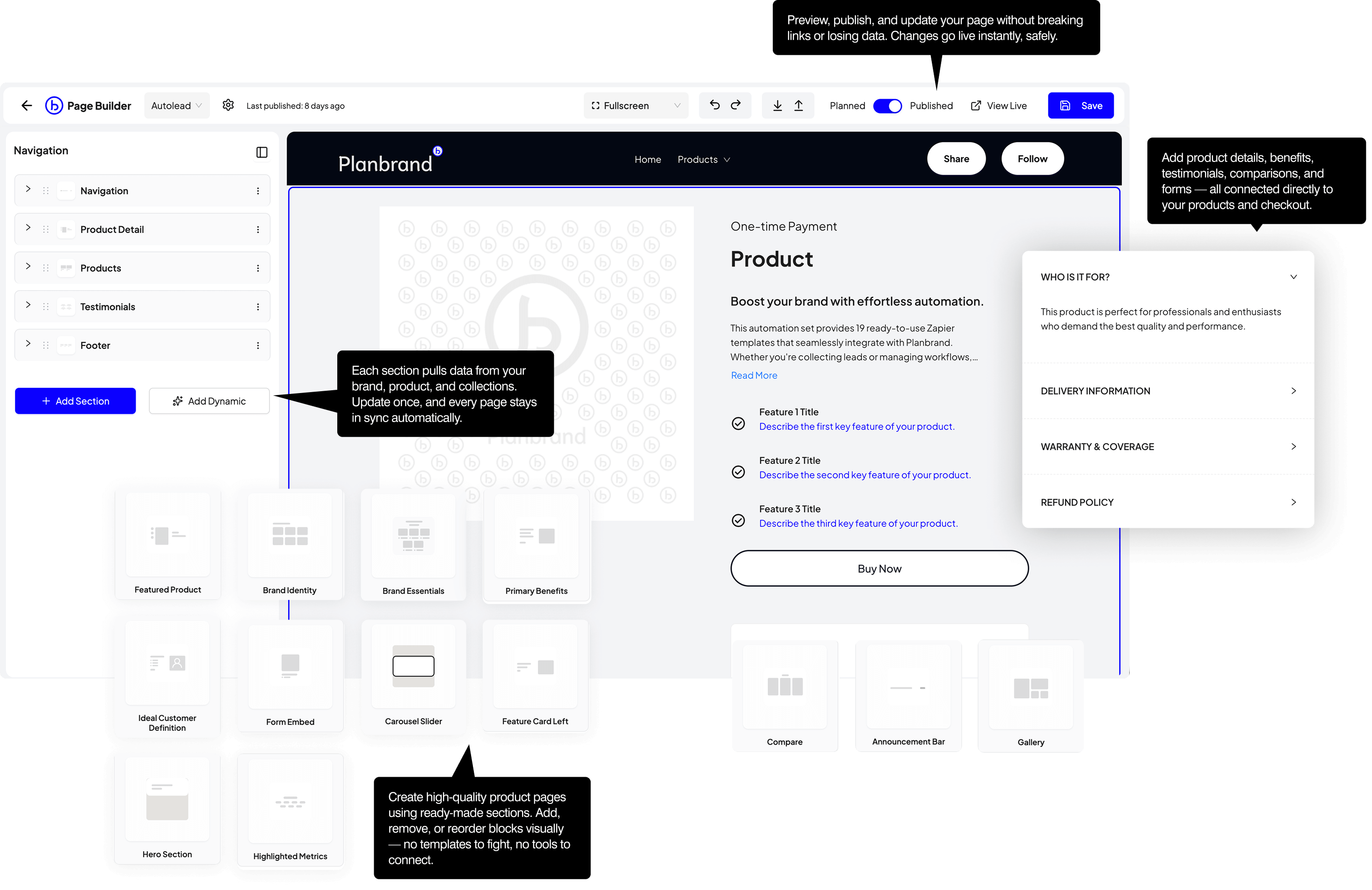
No setup overwhelm
No setup overwhelm
You do not need to design systems or learn complex tools. Planbrand gives you a ready structure from day one.
See Onboarding tasks
Group your contacts by peronsas
Group your contacts by peronsas
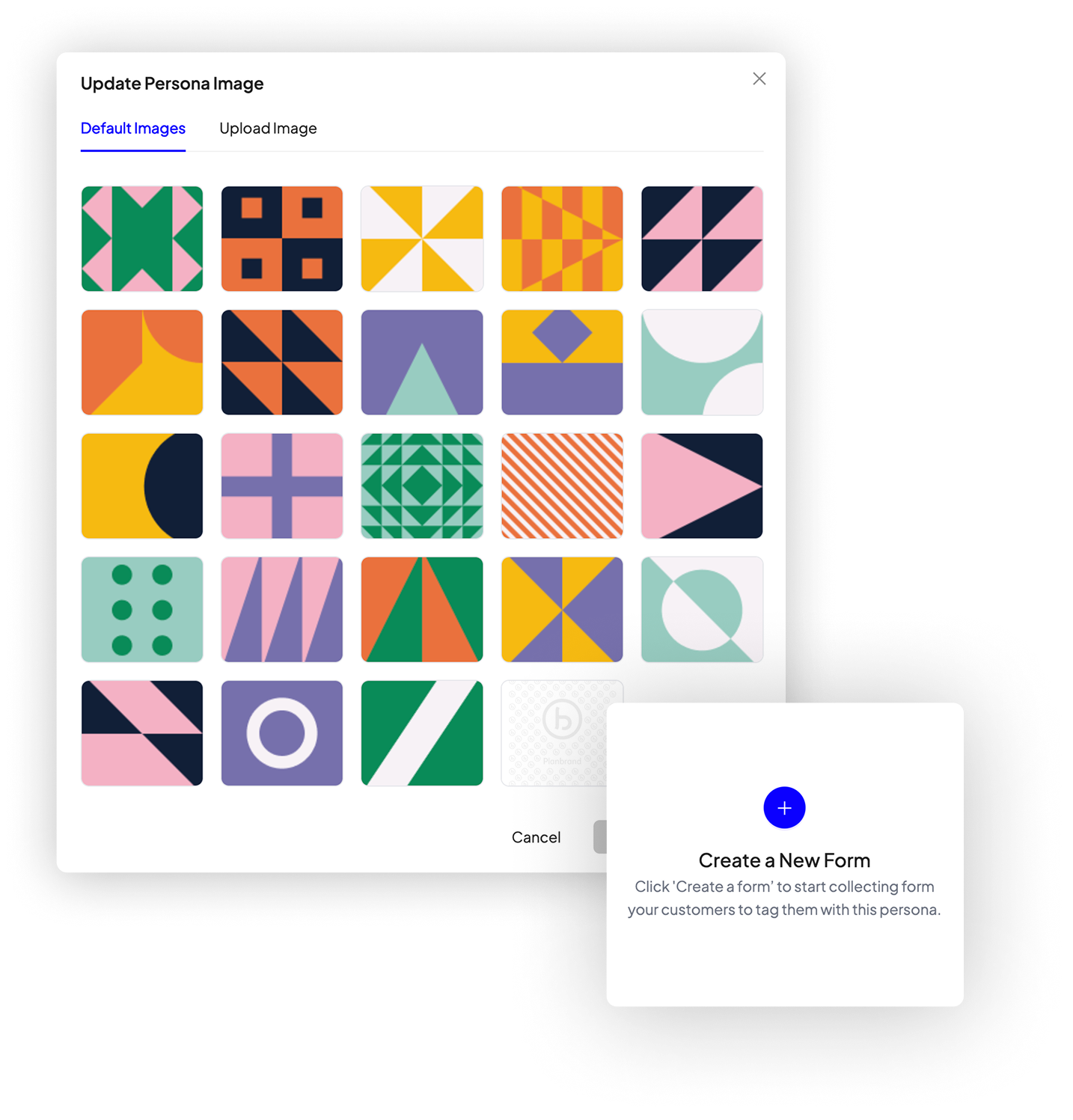
Choose a profile image or upload your own to visually define each persona.
Every persona stays clear and recognisable across your workspace.
Attach a form to this persona.
Every submission is automatically tagged and added to the right audience.
No manual sorting. No extra steps.
When someone submits a form:
The persona is assigned instantly
The correct journey starts
Tasks, reminders, and actions are triggered
Everything moves forward automatically.
Every step to turn a contact into a lifetime customer
Every step to turn a contact into a lifetime customer
This is where all the actions live that move one person from first contact to long-term value. Every task is intentional, timed, and connected to the same journey — so relationships grow in a structured, human way.
Nothing is random. Nothing is forgotten.
Welcome and position your brand clearly from the first touch
Build trust through value, follow-ups, and engagement
Guide the contact towards the right offer at the right time
Keep improving the relationship after conversion
This is how single actions become long-term customers — one clear task at a time.
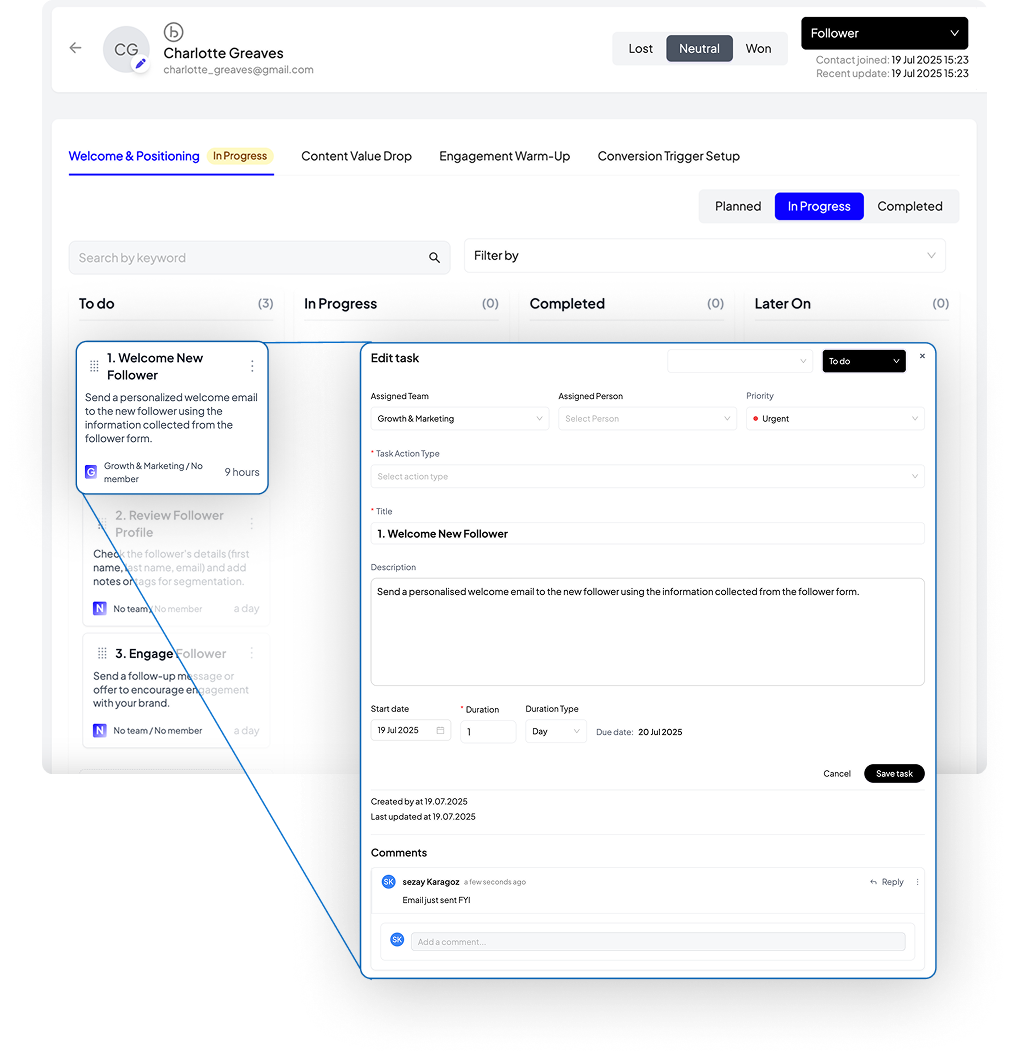
Design journeys that run themselves
Design journeys that run themselves
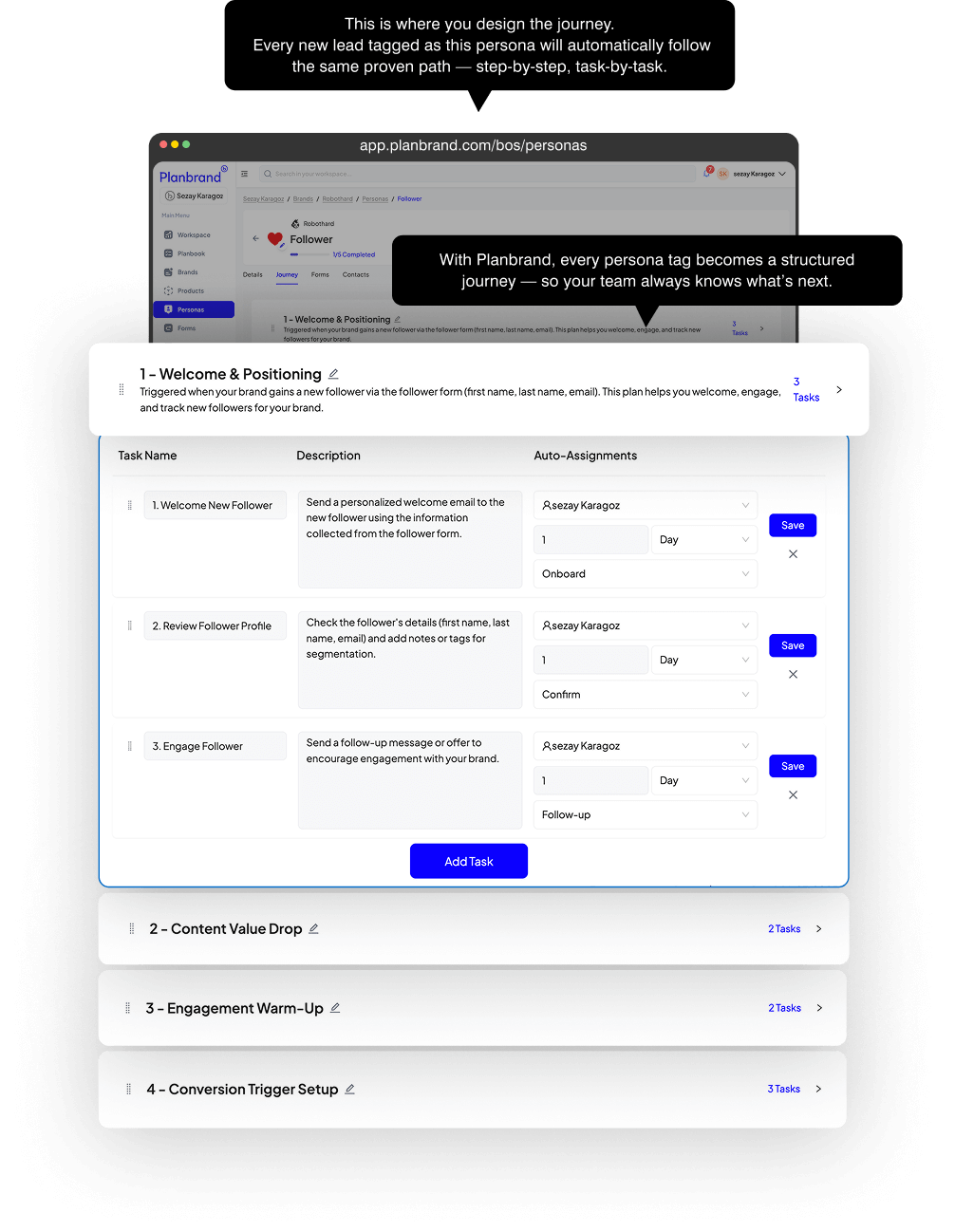
Here you turn a persona into a real, working journey. When someone is tagged with this persona, Planbrand automatically creates their plan and tasks — so nothing is missed and no one has to remember what to do next.
You define the stages once. Planbrand repeats them perfectly for every new contact.
Create journey stages like welcome, engagement, and conversion
Add clear tasks inside each stage for your team or yourself
Auto-assign tasks and timing when a persona is added
Every new contact gets the same proven path, instantly
This is how one decision becomes a system — and your brand runs consistently without manual work.
From journeys to tasks — everything connected
From journeys to tasks — everything connected
Planbook is where your brand plans come to life. It turns your strategy into clear journeys, stages, and tasks that move every contact forward. Nothing is manual or disconnected — Planbook links people, personas, and actions automatically, so everyone knows what happens next.
Break work into journeys, stages, and tasks that reflect how you actually operate
A single contact can be part of multiple journeys (for example, buyer and reseller)
Tasks are created automatically when a persona or journey is assigned
Track progress clearly with planned, in progress, and completed stages