
Looks like Webflow. Works beyond the website.
Looks like Webflow. Works beyond the website.
Webflow is a visual website builder with CMS, collections, and ecommerce. Planbrand offers a very similar page-building experience — components, dynamic CMS pages, and ecommerce — but is designed as a brand-building and business design system. Pages, data, CRM, email, payments, and teams are connected by default.
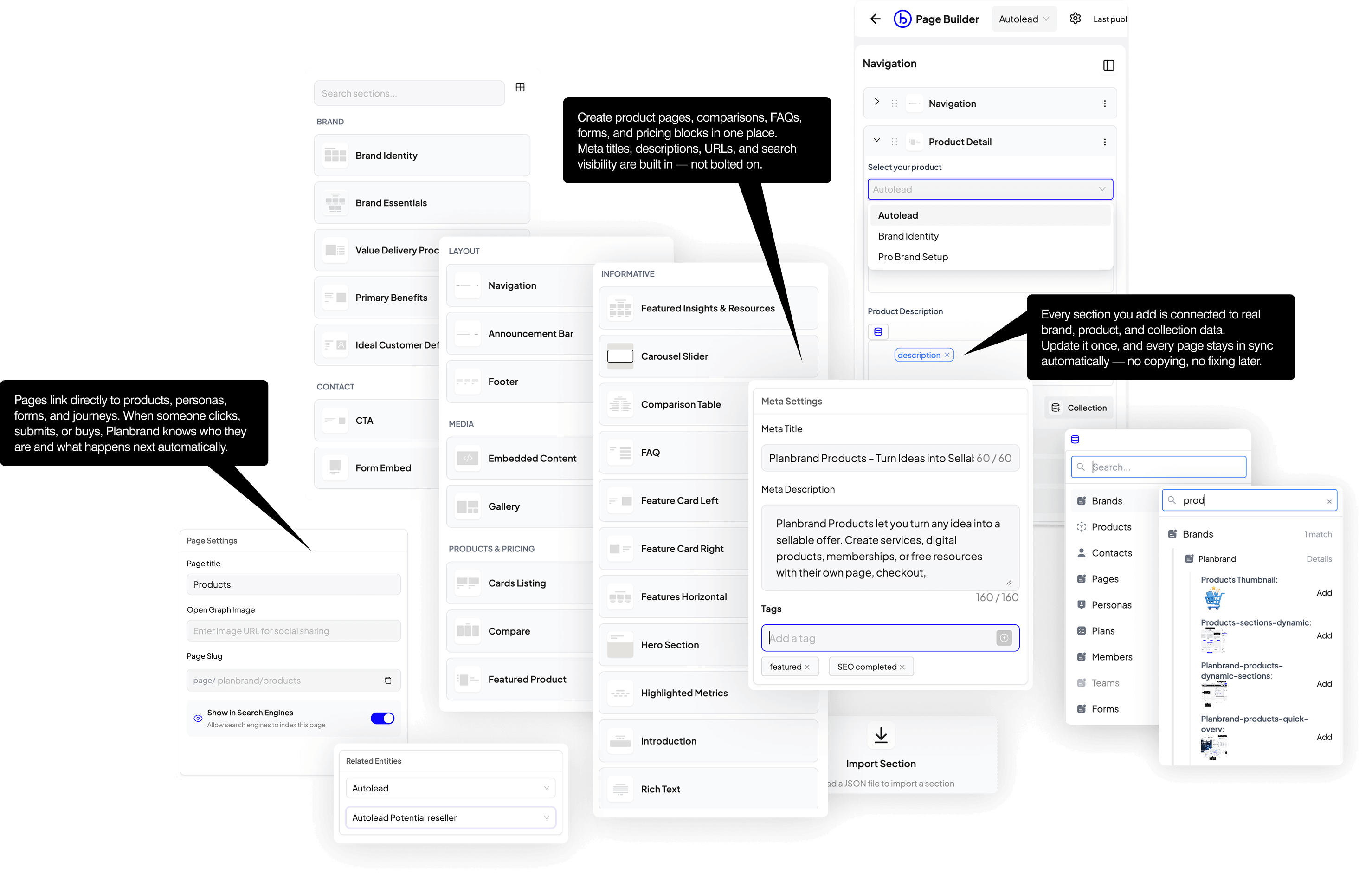
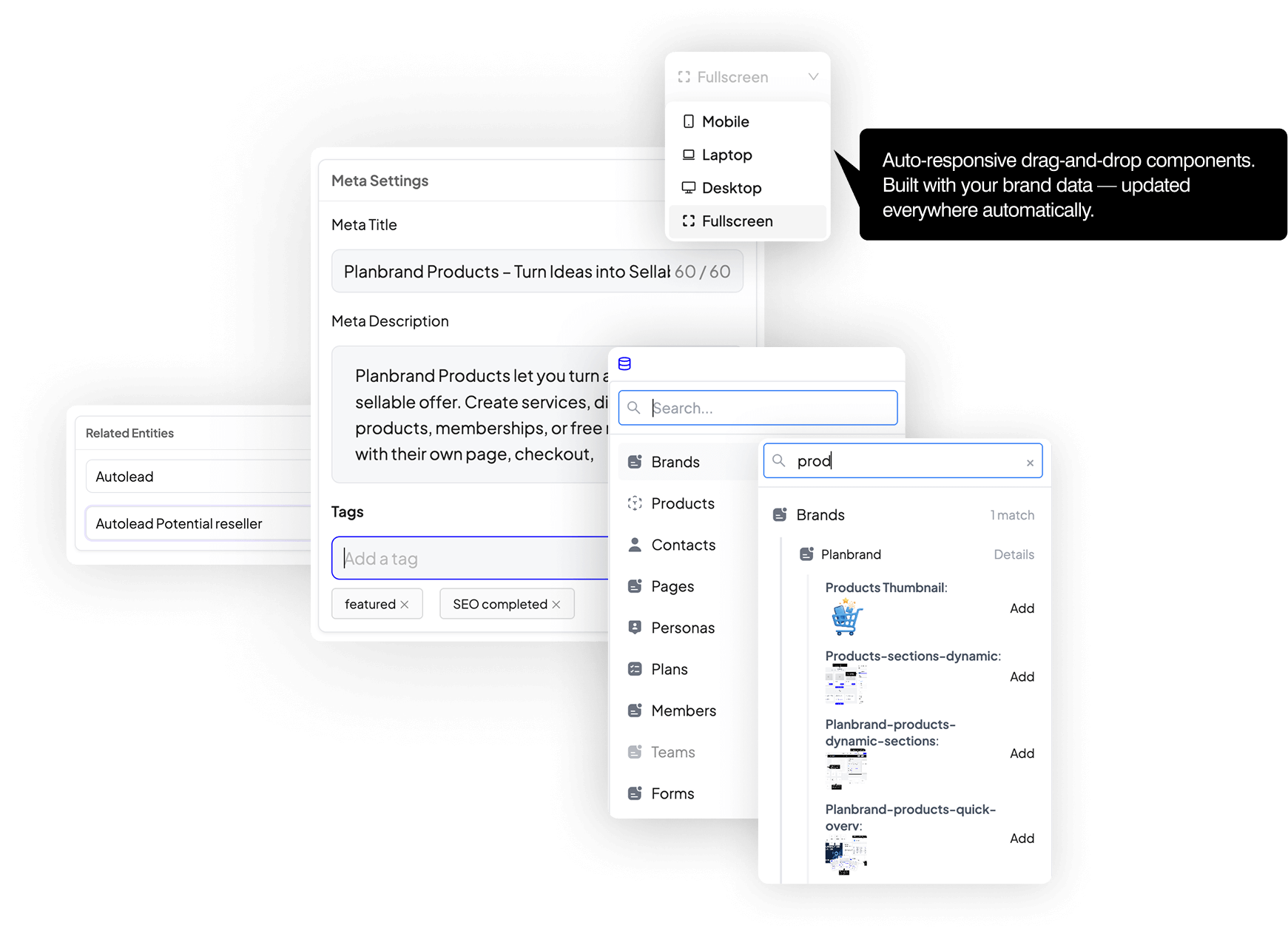
Familiar. Connected. Operational.
Familiar. Connected. Operational.
Webflow-style building with business logic built in
Webflow-style building with business logic built in
Planbrand and Webflow feel very similar when building pages. Both use components, collections, dynamic CMS pages, and ecommerce. The difference is that Planbrand treats these pages as part of a wider business system — with CRM, email, forms, payments, and workflows built in.
Build visually
Build visually
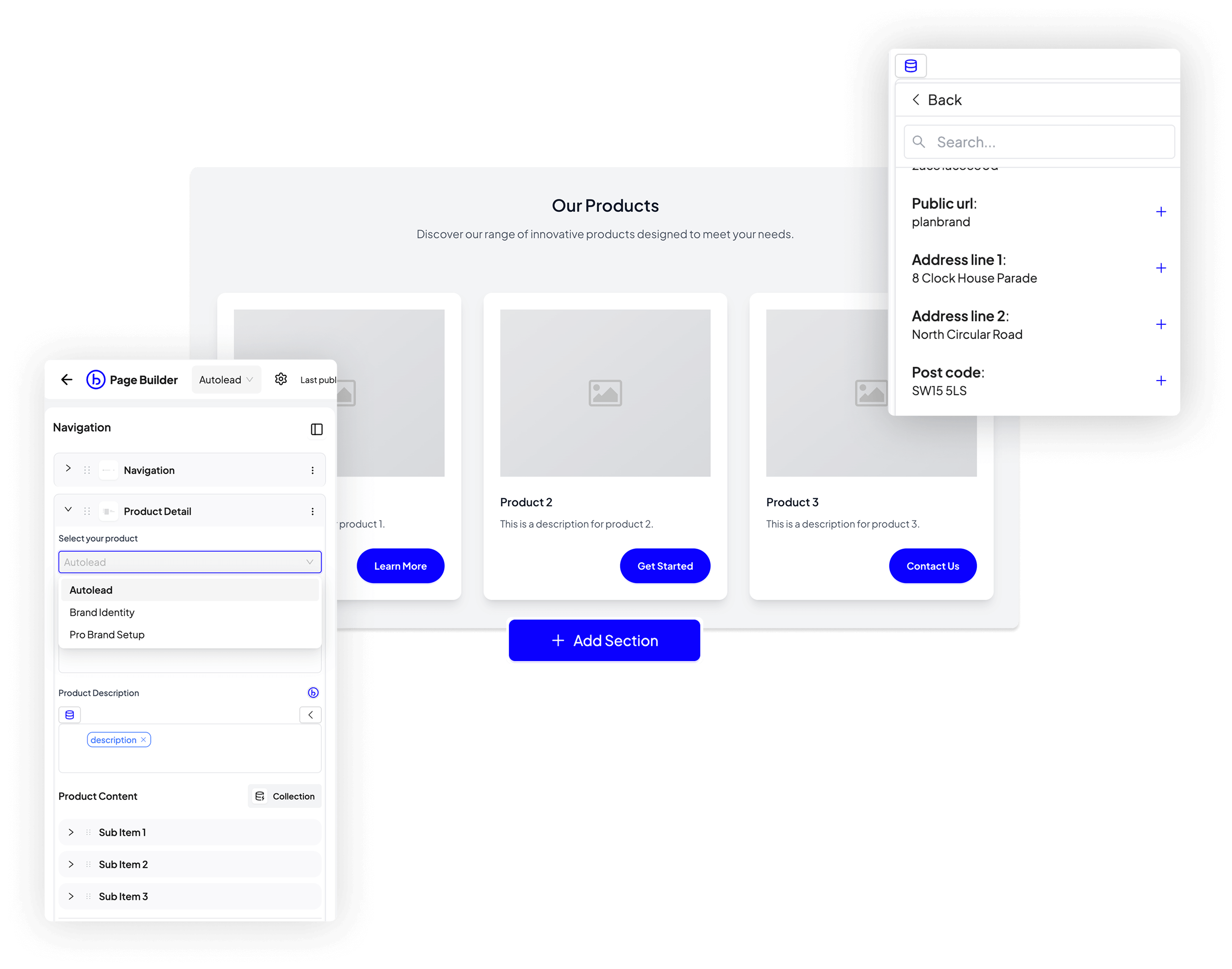
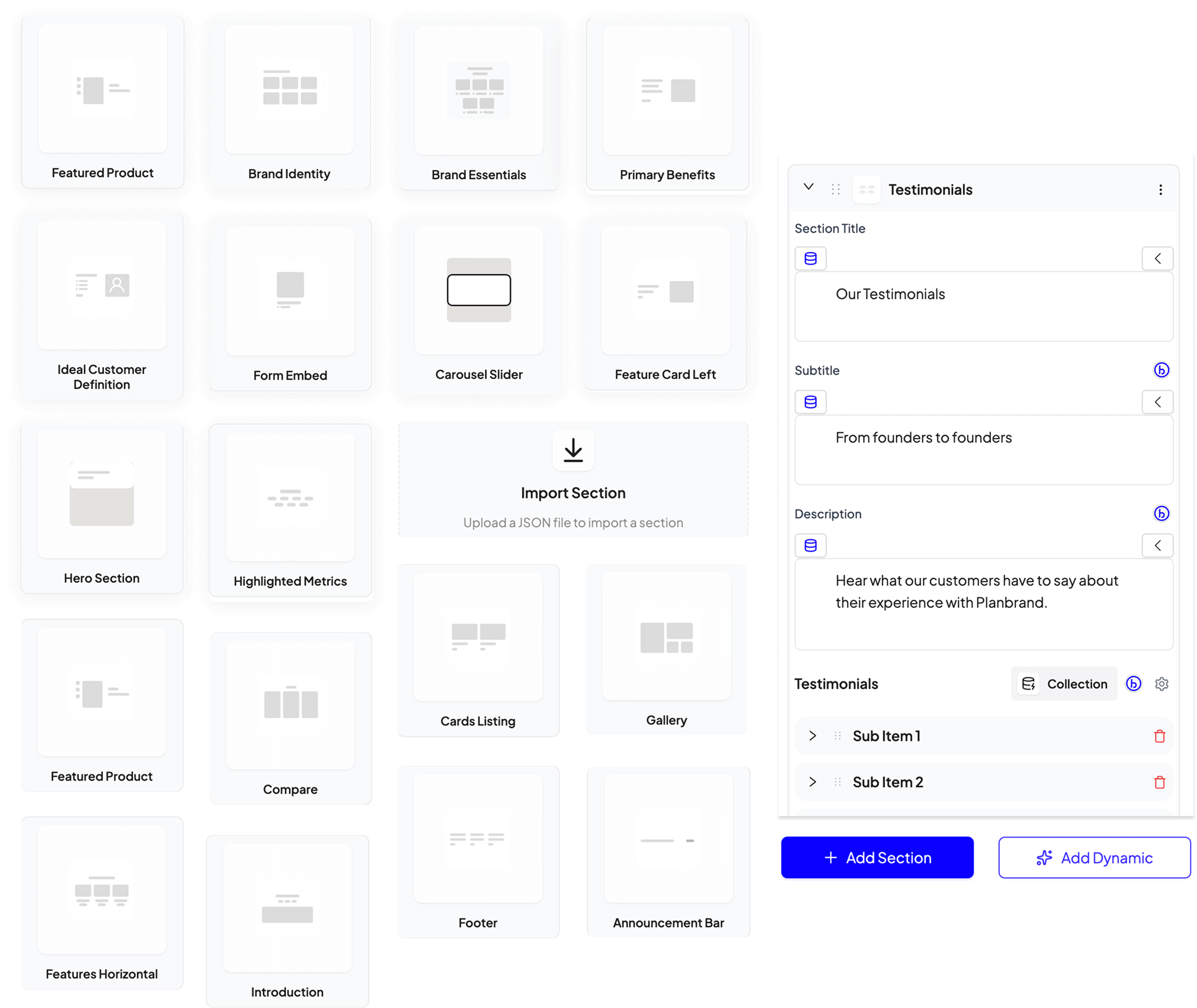
Use ready-made components and dynamic collections like Webflow.
Manage CMS data
Manage CMS data
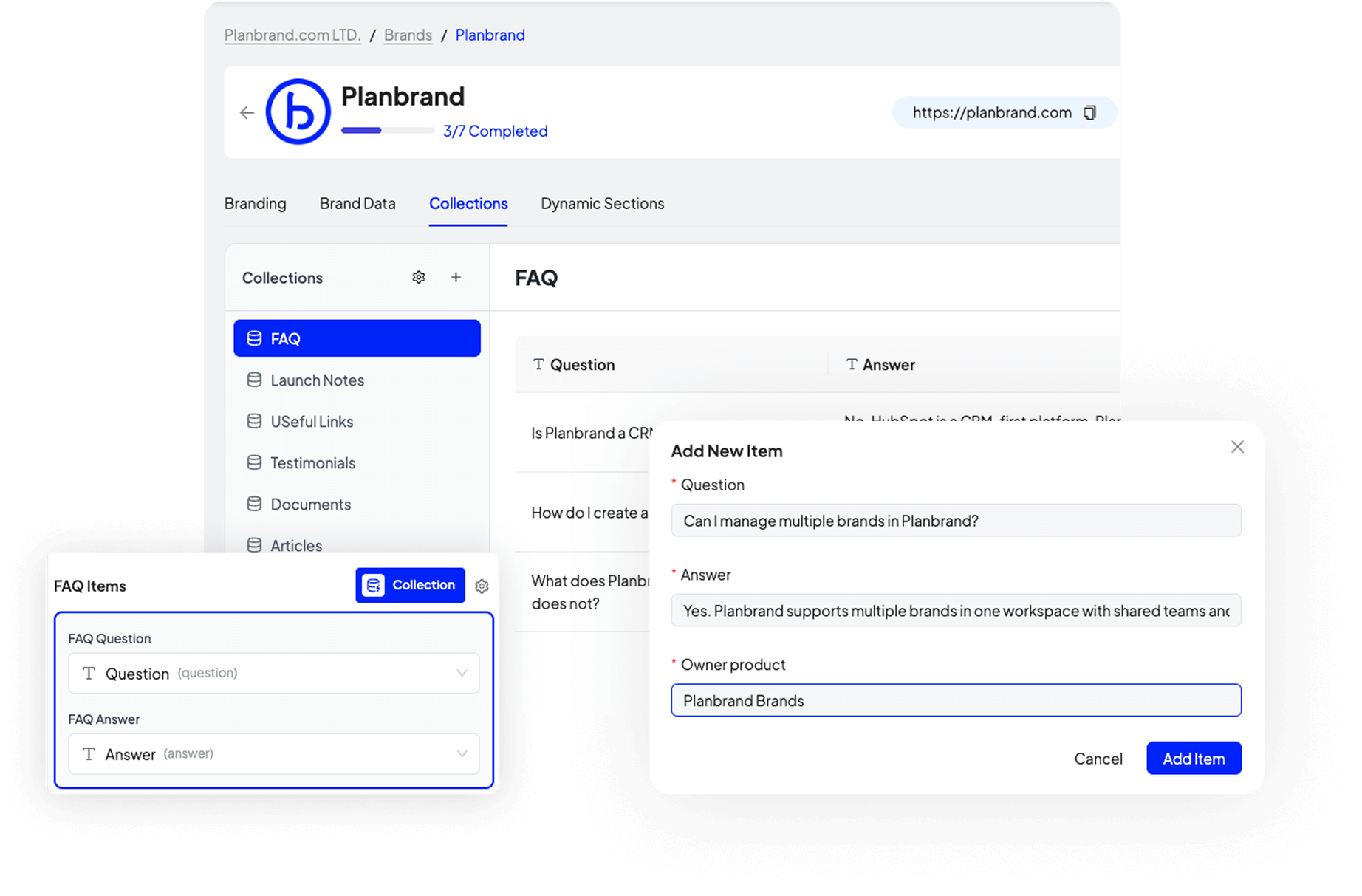
Pages are powered by structured brand CMS data.
Sell and collect
Sell and collect
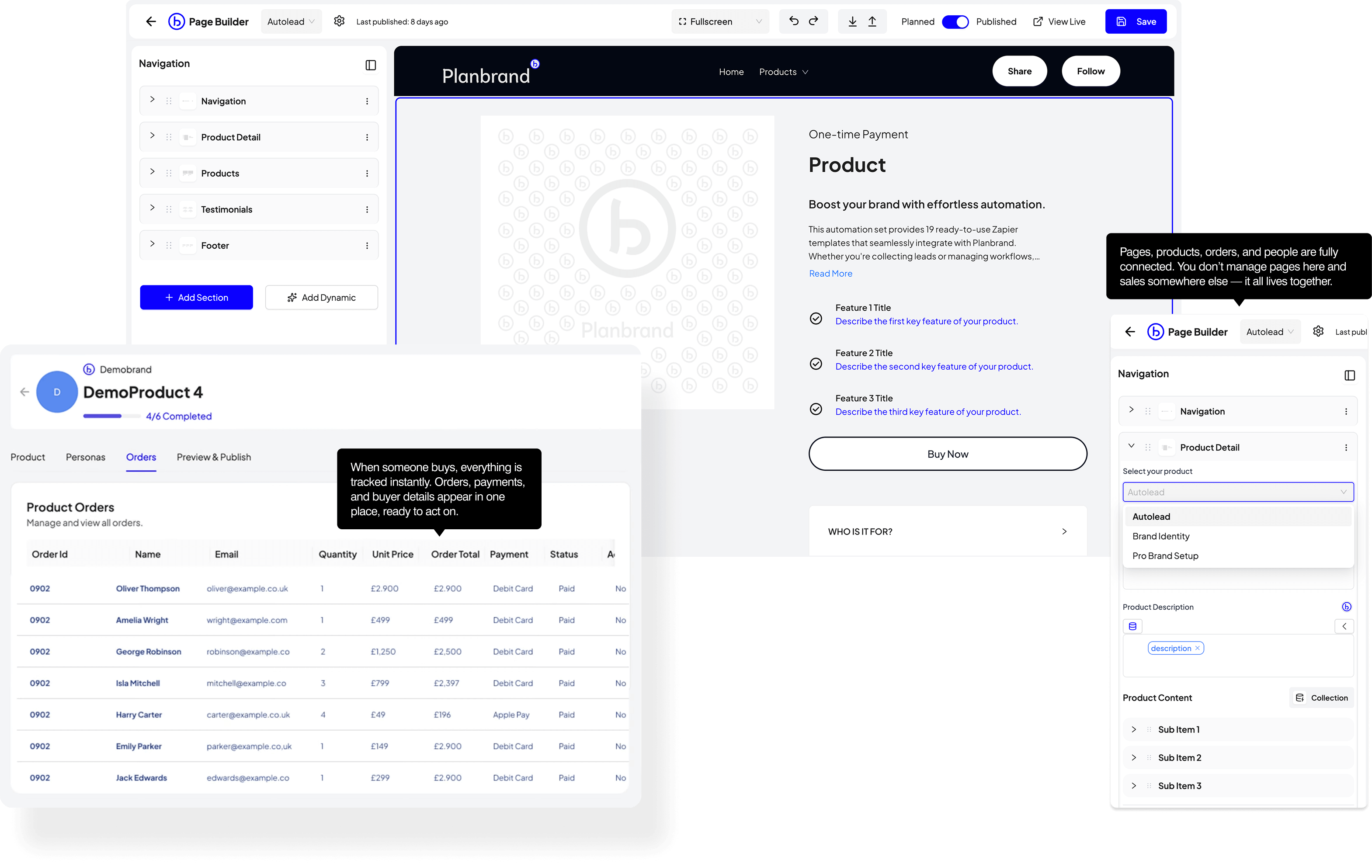
Built-in ecommerce and Stripe connection without extra setup.
Run the business
Run the business
CRM, forms, bulk email, and workflows included by default.
Beyond website building
Beyond website building
Build pages and design the business
Build pages and design the business
Webflow focuses on designing and publishing websites. Planbrand keeps the same CMS and component logic, but adds CRM, email, ecommerce, and team workflows on top.
Webflow-like CMS
Webflow-like CMS
Collections, dynamic pages, and components.
Built-in ecommerce
Built-in ecommerce
Stripe-powered products and checkout.
Connected CRM
Connected CRM
Contacts, forms, and customer data linked to pages.
Team-ready system
Team-ready system
Roles, permissions, and collaboration built in.
Planbrand vs Webflow
Planbrand vs Webflow
Both platforms offer visual builders and CMS features. The difference is whether you stop at the website or design the whole business.
Webflow
Webflow
Visual website builder
CMS & collections
Dynamic pages
Website-first mindset
External CRM needed
External email tools
Forms via integrations
Ecommerce add-ons
Manual handovers
Multiple tools required
Requires third-party CRM
Email via external services
Forms rely on integrations
Website-only ecommerce
Content managed per site
Limited workflow logic
Handover outside website
Website-focused teams
Multiple systems to maintain
Website scales
Planbrand
Planbrand
Visual website & business builder
CMS & structured brand data
Dynamic pages connected to CRM
Brand and business-first mindset
Built-in CRM
Built-in email and bulk email
Native form builder
Built-in ecommerce with Stripe
Pages trigger actions
One connected system
CRM connected to pages and forms
Built-in email and bulk email
Native form builder linked to CRM
Ecommerce linked to delivery
Central brand data
Plans, tasks, and workflows
Pages trigger delivery
Business teams with roles
Single system to manage
Brand and business scale
Planbrand vs Webflow
Planbrand vs Webflow
Frequently asked questions
Frequently asked questions
Questions from teams comparing Planbrand and Webflow.


Build. Manage. Scale.
Build. Manage. Scale.
Planbrand gives you a Webflow‑like visual builder, combined with CMS, CRM, ecommerce, and brand management in one connected system.
Planbrand gives you a Webflow‑like visual builder, combined with CMS, CRM, ecommerce, and brand management in one connected system.
Unlike Webflow, Planbrand is not just a website builder. It connects pages, CMS collections, forms, contacts, products, emails, and payments into one brand system, so your website and business always stay in sync.
Visual Page Builder
Visual Page Builder

Dynamic CMS Collections
Dynamic CMS Collections

Built‑in Ecommerce
Built‑in Ecommerce

CRM & Forms
CRM & Forms

Email & Automations
Email & Automations
One system instead of many tools
One system instead of many tools
With Webflow, teams often add external tools for CMS logic, forms, CRM, email, and ecommerce. Planbrand brings these together so pages, data, and workflows stay connected as you grow.
From website design to daily operations
From website design to daily operations
Webflow focuses on designing and publishing websites. Planbrand continues after launch by managing leads, customers, content, and products from the same dashboard, without extra tools.
Build pages like Webflow, run the business in one place
Build pages like Webflow, run the business in one place
Planbrand gives you a visual page builder, CMS collections, and reusable components similar to Webflow. On top of that, it connects your website directly to contacts, forms, products, payments, and emails, so your site is part of your business system.
Everything Webflow builds, plus business operations
Everything Webflow builds, plus business operations
Planbrand offers a visual page builder and CMS similar to Webflow, but extends it into a full brand and business system. Pages, collections, payments, emails, and CRM all live in one place.
Visual Page Builder
Visual Page Builder
Design pages visually like Webflow, using ready-to-use components without code.
CMS & Collections
CMS & Collections
Create dynamic pages from structured collections, just like Webflow CMS.
Multi‑Brand Management
Multi‑Brand Management
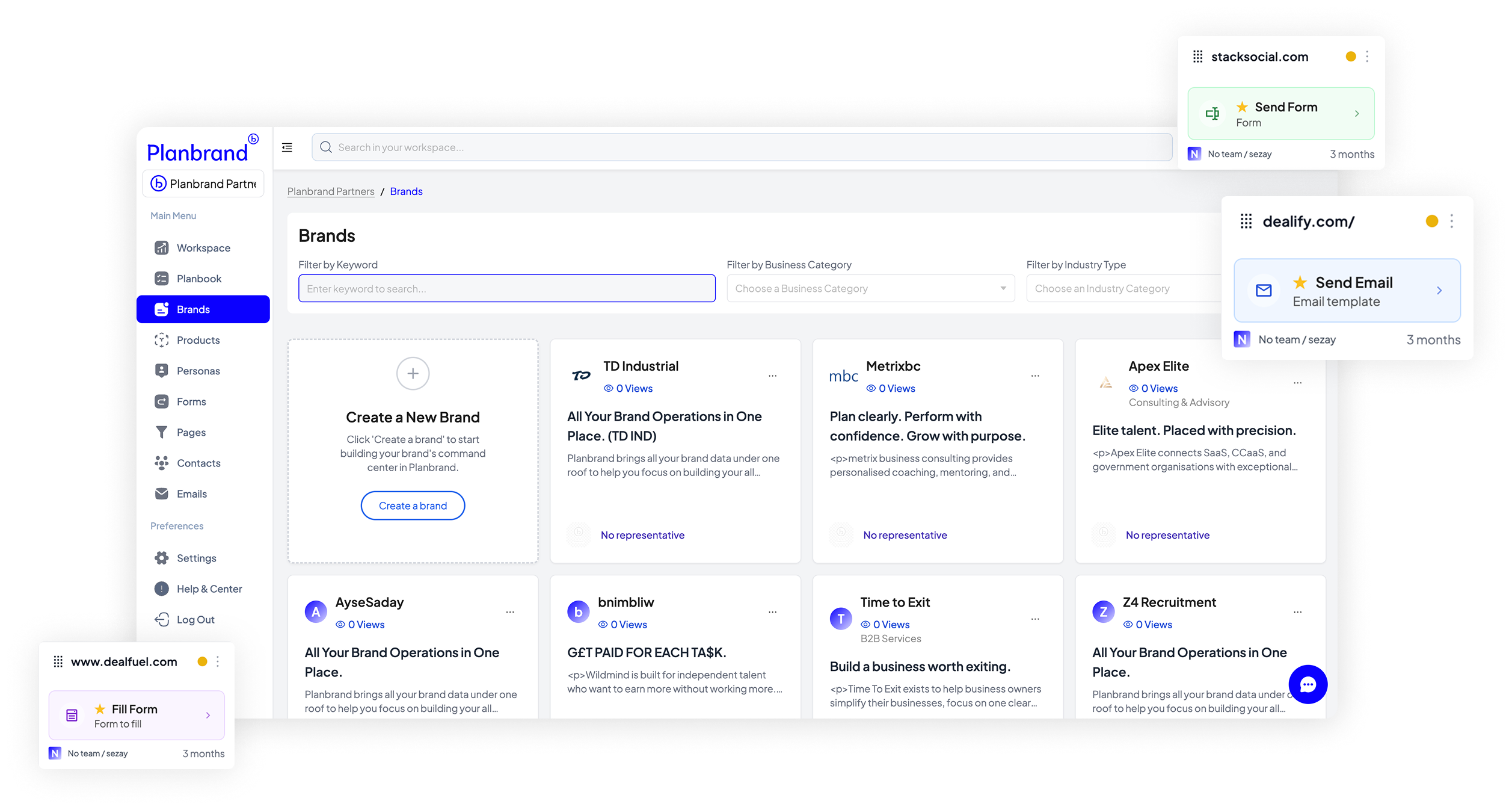
Manage multiple brands and sites from one workspace, which Webflow does not support.
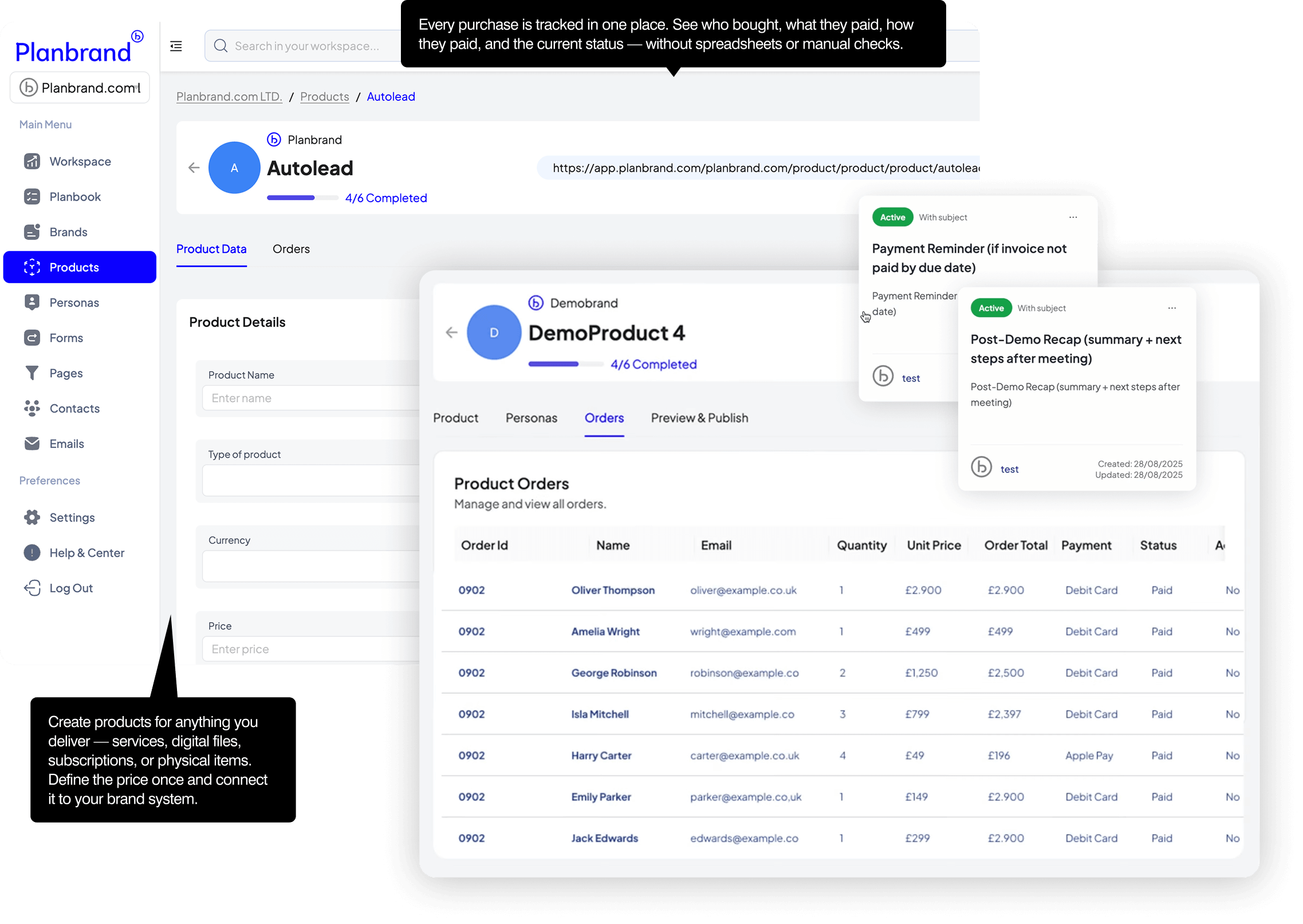
Built‑in Ecommerce
Built‑in Ecommerce
Sell products and services with native Stripe checkout, no plugins needed.
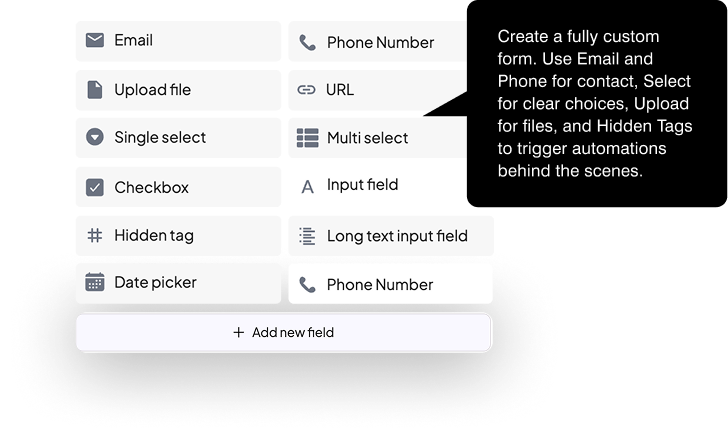
CRM & Forms
CRM & Forms
Capture leads with forms that connect directly to contacts and pipelines.
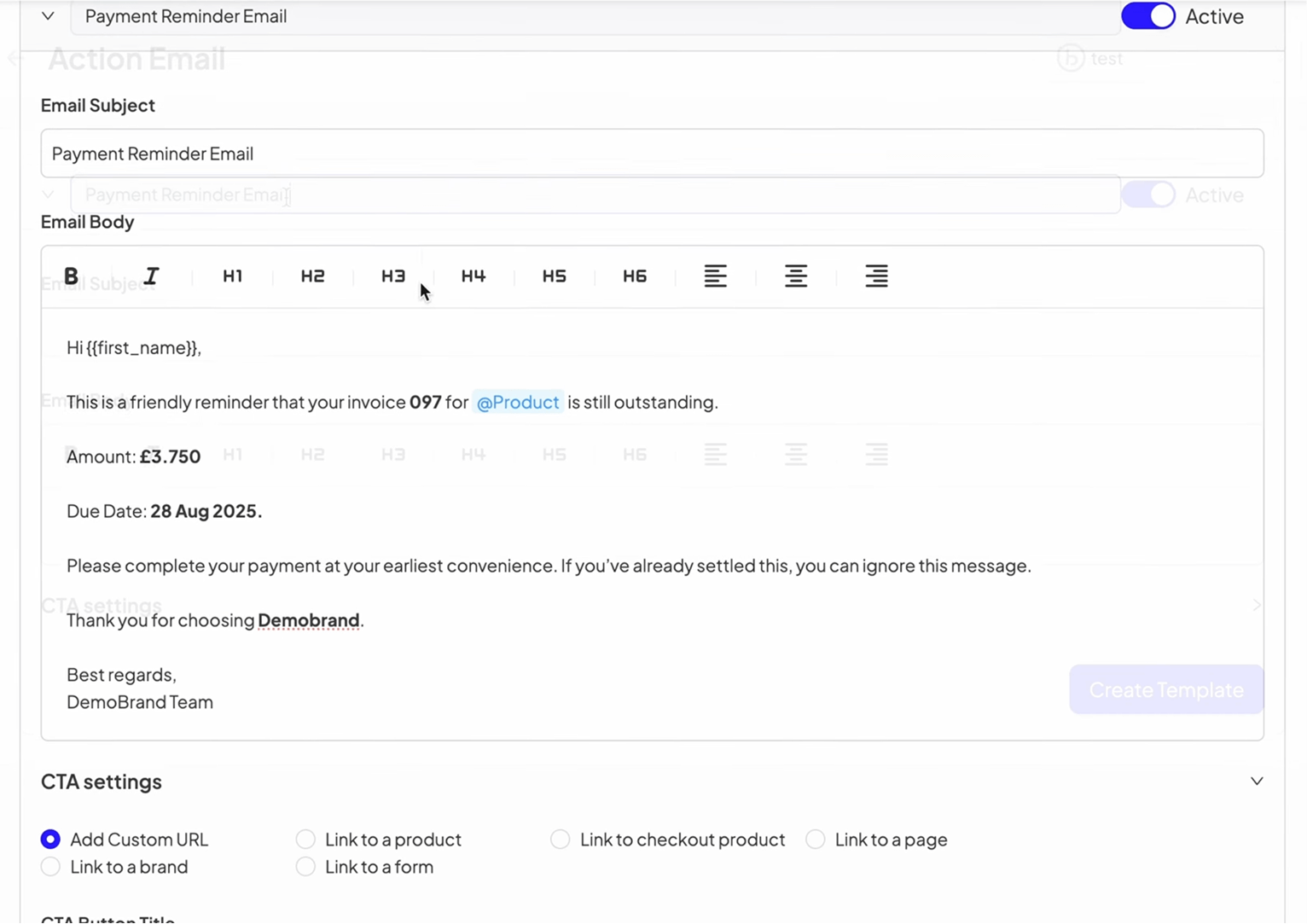
Email & Automation
Email & Automation
Send bulk and transactional emails without external tools.