Managing tasks vs managing a business
Managing tasks vs managing a business
Asana is a powerful project management tool built around task, planning, and projects. Planbrand approaches the problem differently by connecting your website, content, products, customers, and internal work into one structured system. This comparison helps you decide which model fits your business.
Two platforms, different foundations
Two platforms, different foundations
Asana focuses on project management tool, planning, and task workflows. Planbrand is built as a brand operating system where project management tool is only one layer.
Website and project management tool combined
Website and project management tool combined
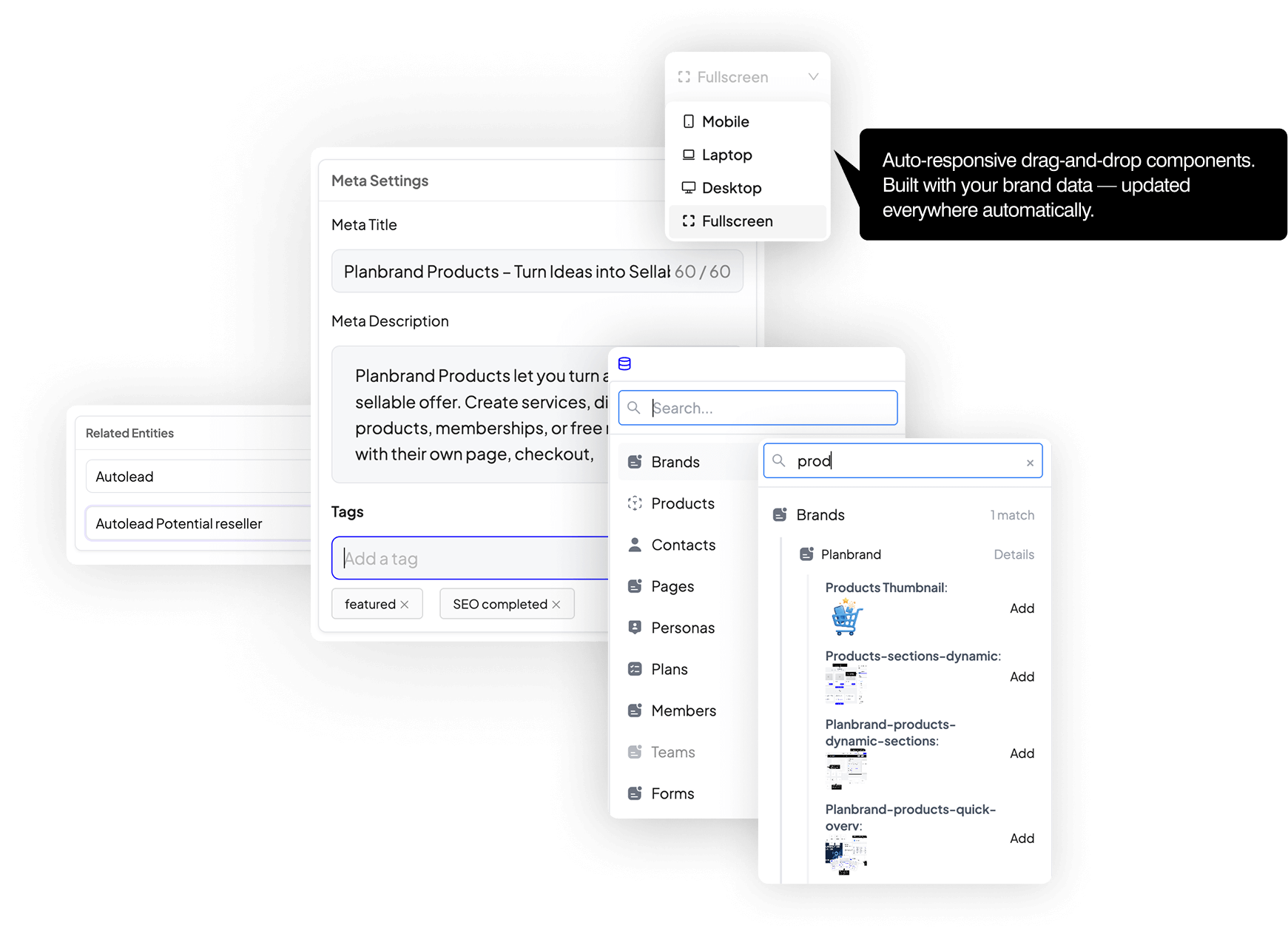
Pages, forms, and contacts are fully connected.
Structured brand CMS
Structured brand CMS
Content is reused across pages, emails, and products.
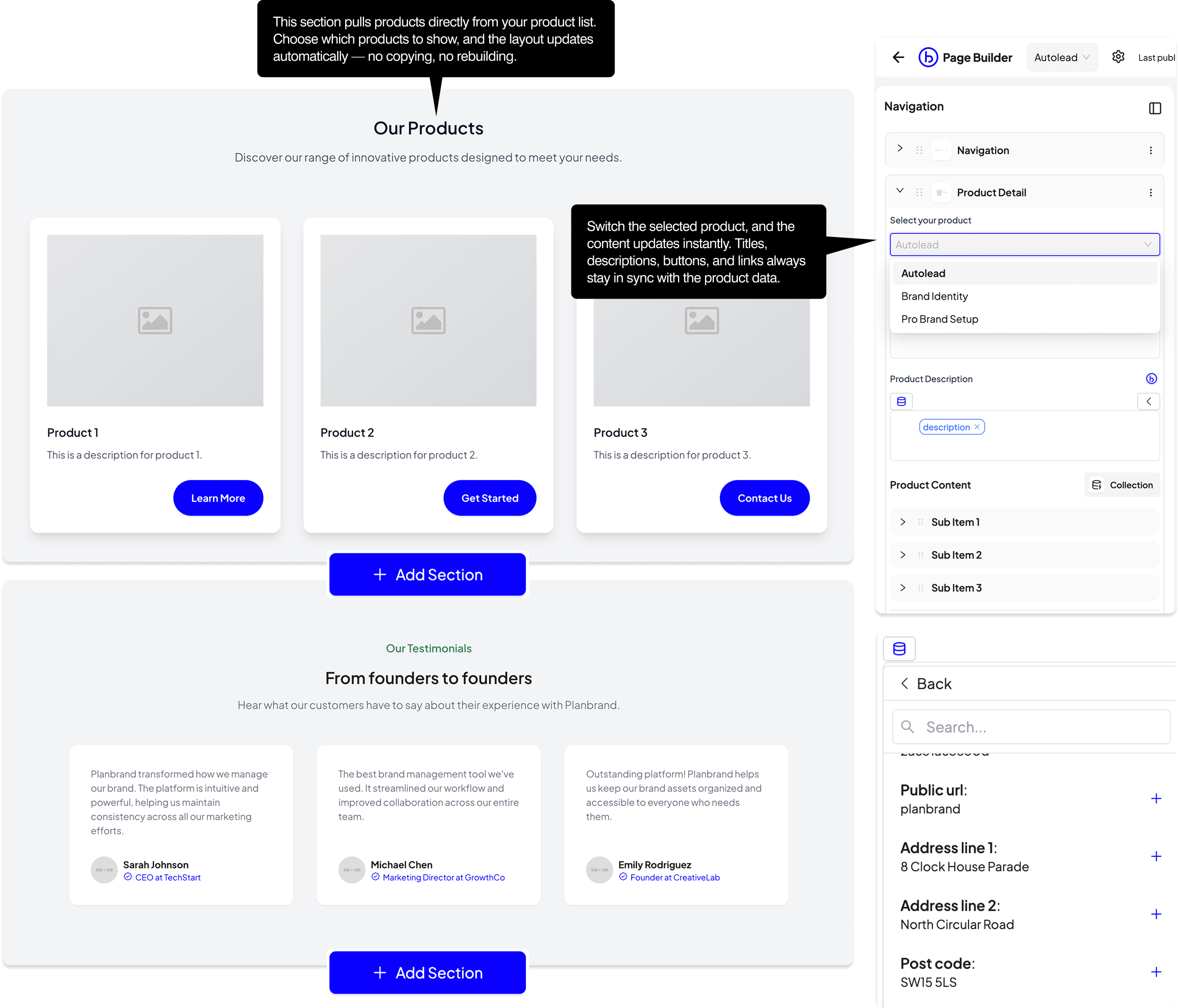
Products as workflows
Products as workflows
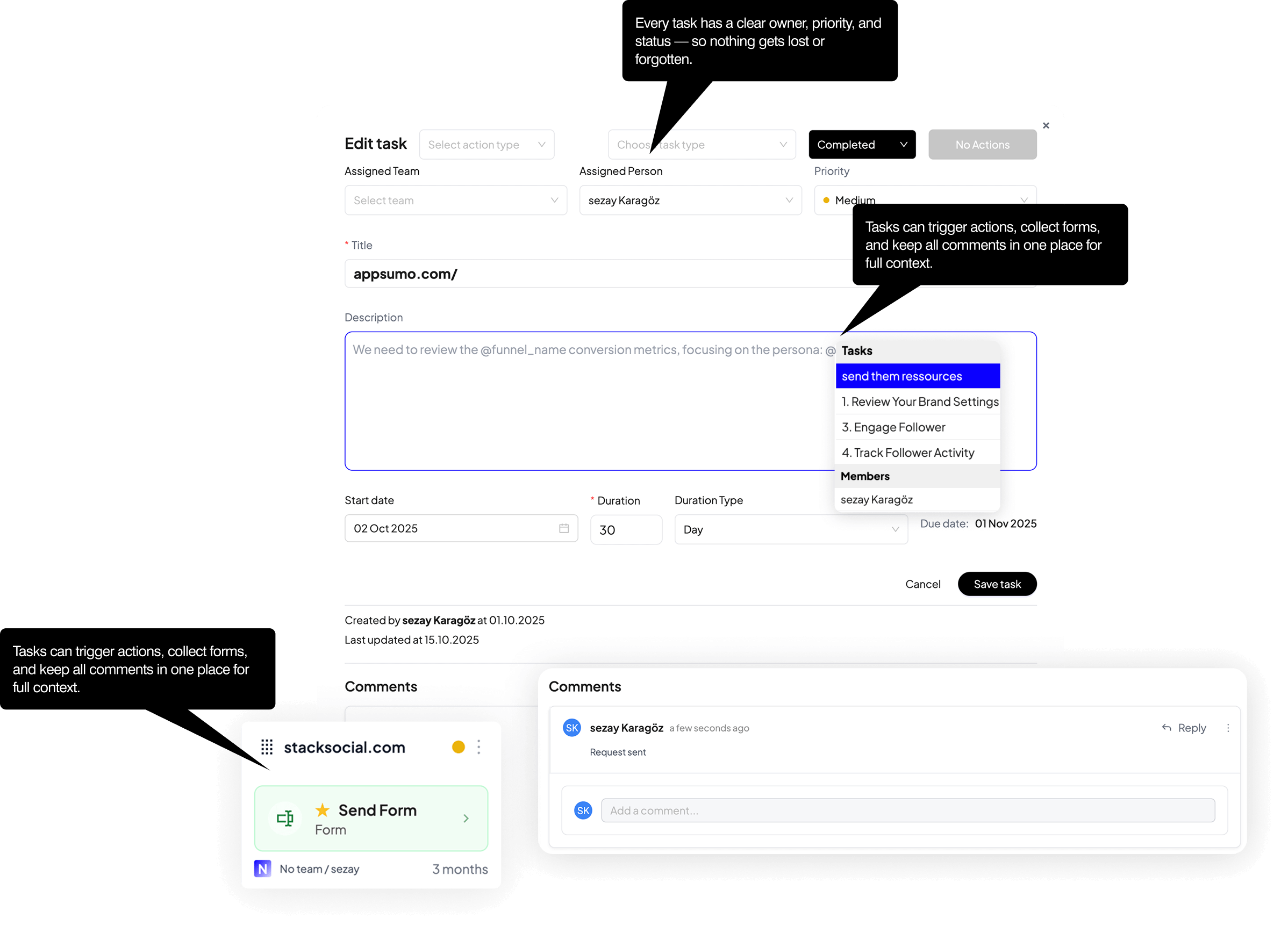
Sales trigger delivery plans and tasks.
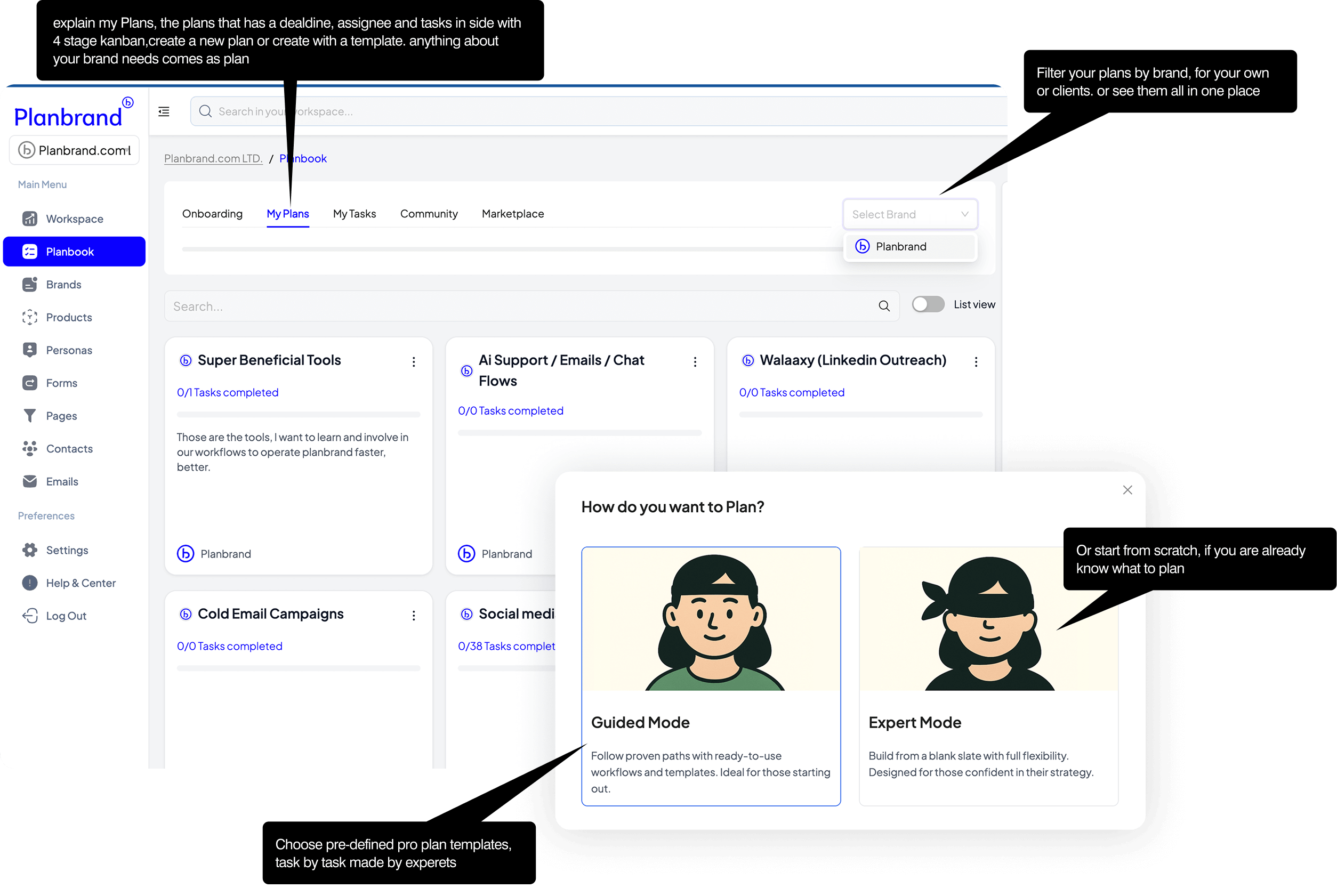
Plans and tasks
Plans and tasks
Operational work follows every action.
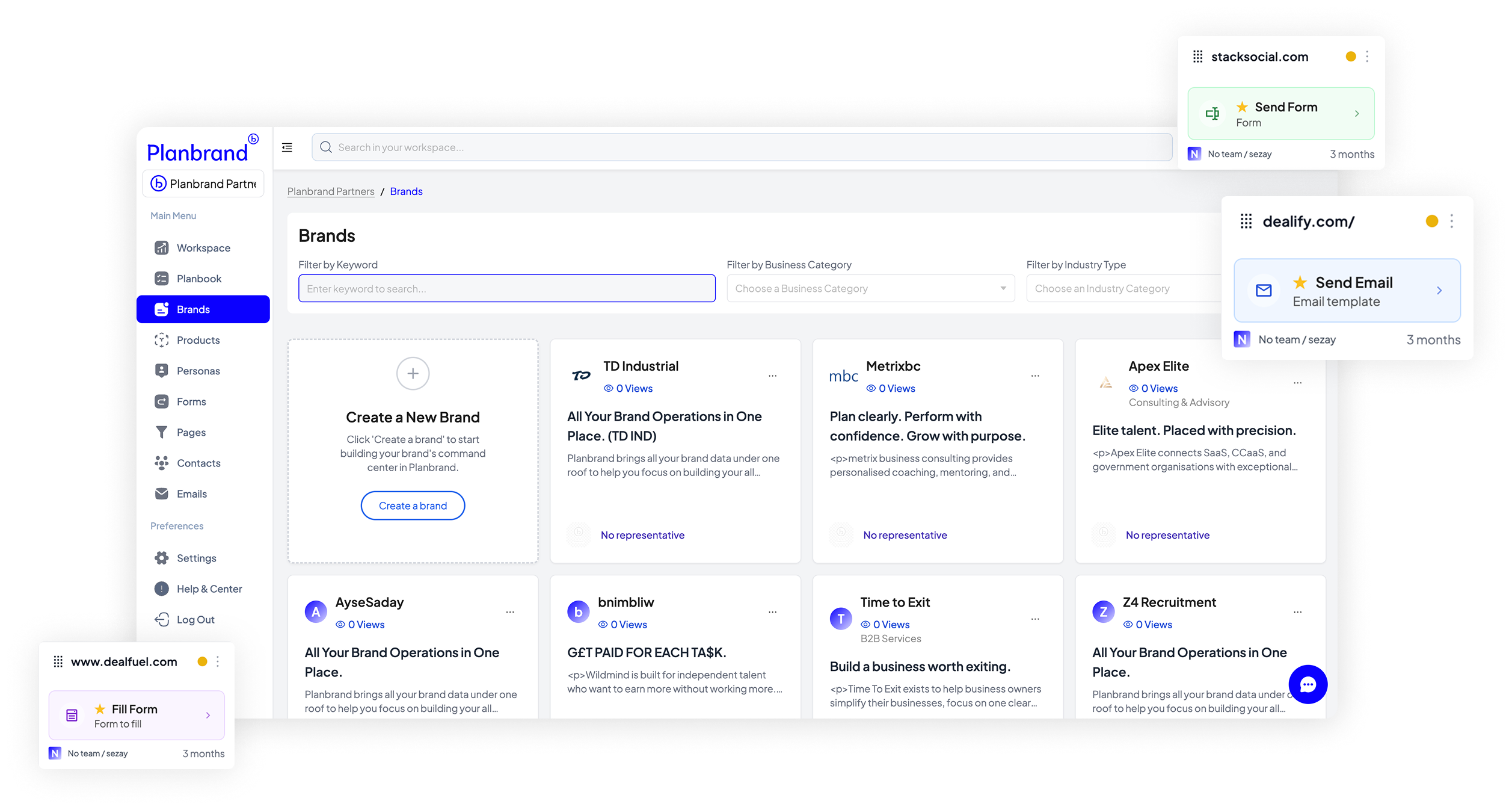
Multi-brand workspace
Multi-brand workspace
Run multiple brands from one account.
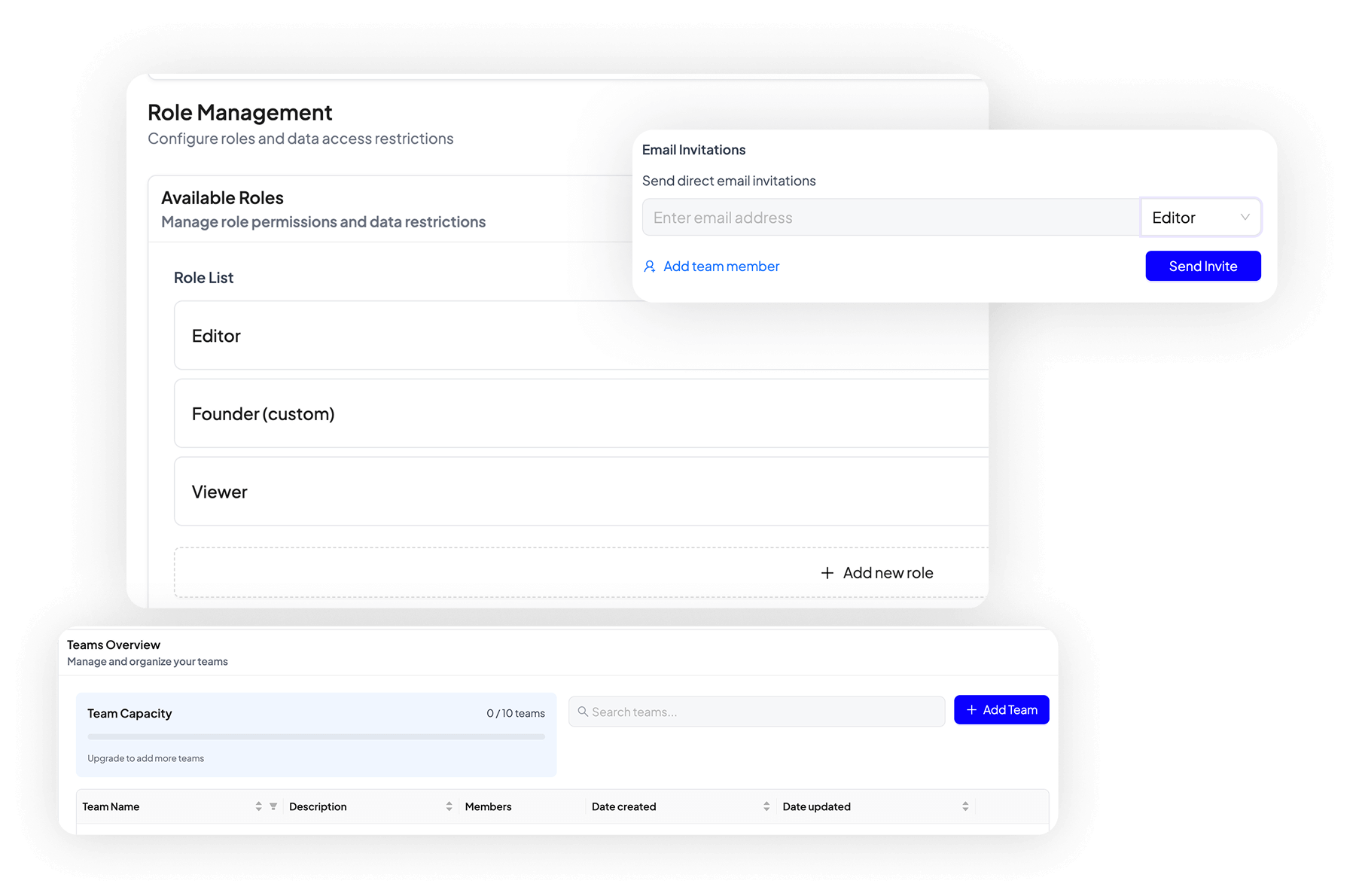
Roles and permissions
Roles and permissions
Control access for teams and partners.
Do you need a project management tool or a business system?
Do you need a project management tool or a business system?
Asana is excellent at managing contacts, work items, and campaigns. Planbrand is designed for businesses that want their website, content, products, customers, and internal work to live in one structured place.
This comparison is not about replacing project management tool features, but about choosing the right foundation for how your business actually operates.
Built for structure, not just projects
Built for structure, not just projects
If your goal is task optimisation, a project management tool may be enough. If your goal is long-term structure — across website, offers, delivery, and teams — you need a system designed to hold the whole business together.
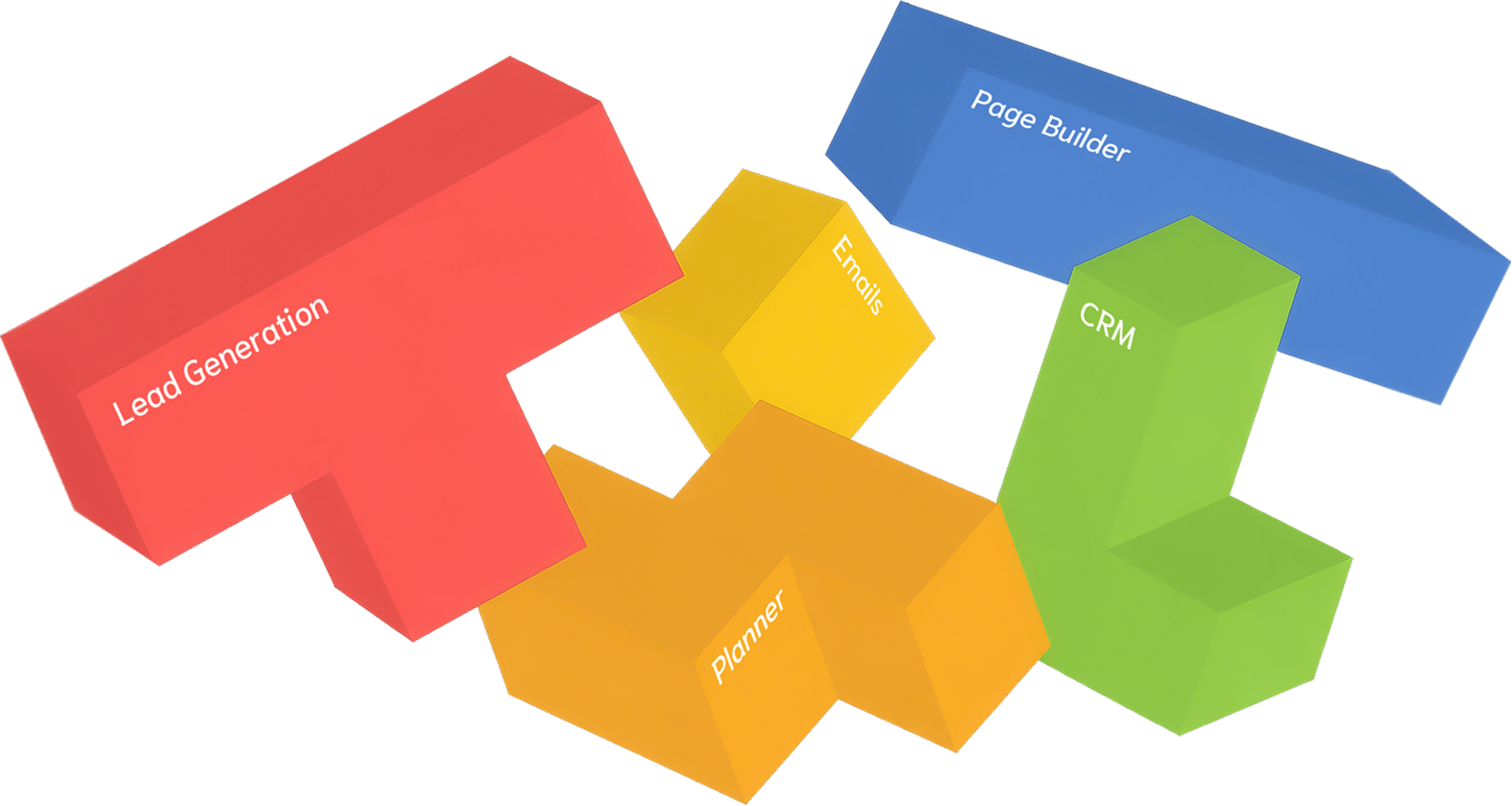
Project management tool-first vs brand-first systems
Project management tool-first vs brand-first systems
Asana starts with project management tool and extends outward. Planbrand starts with the brand itself — pages, content, products, and people — and treats project management tool as one connected layer within that system.
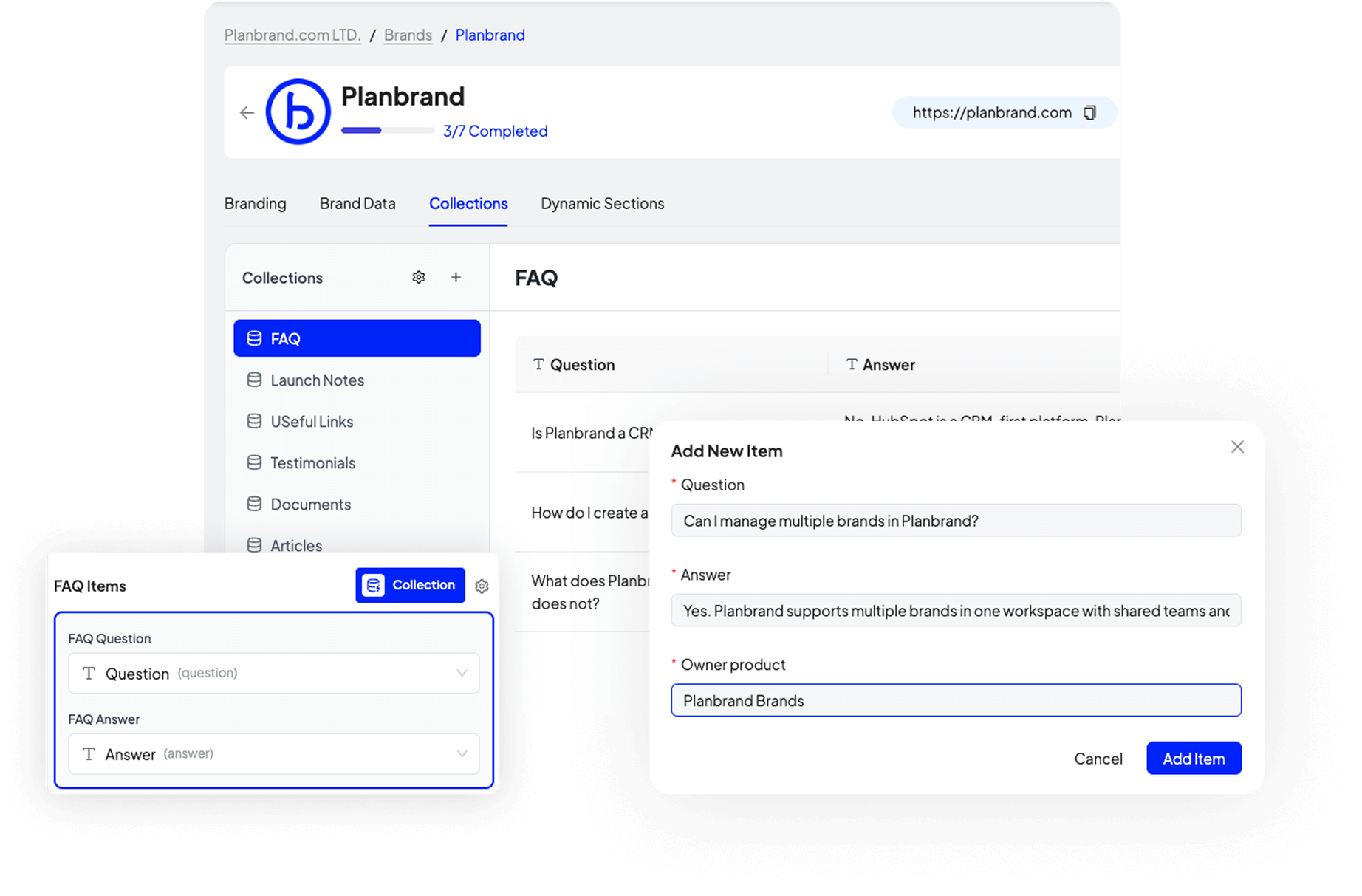
When a project management tool becomes your centre
When a project management tool becomes your centre
Asana is built to manage tasks, work items, and planning activity. As your business grows, your website, content, and delivery often sit outside the project management tool. This separation creates extra tools, duplicated data, and manual work.
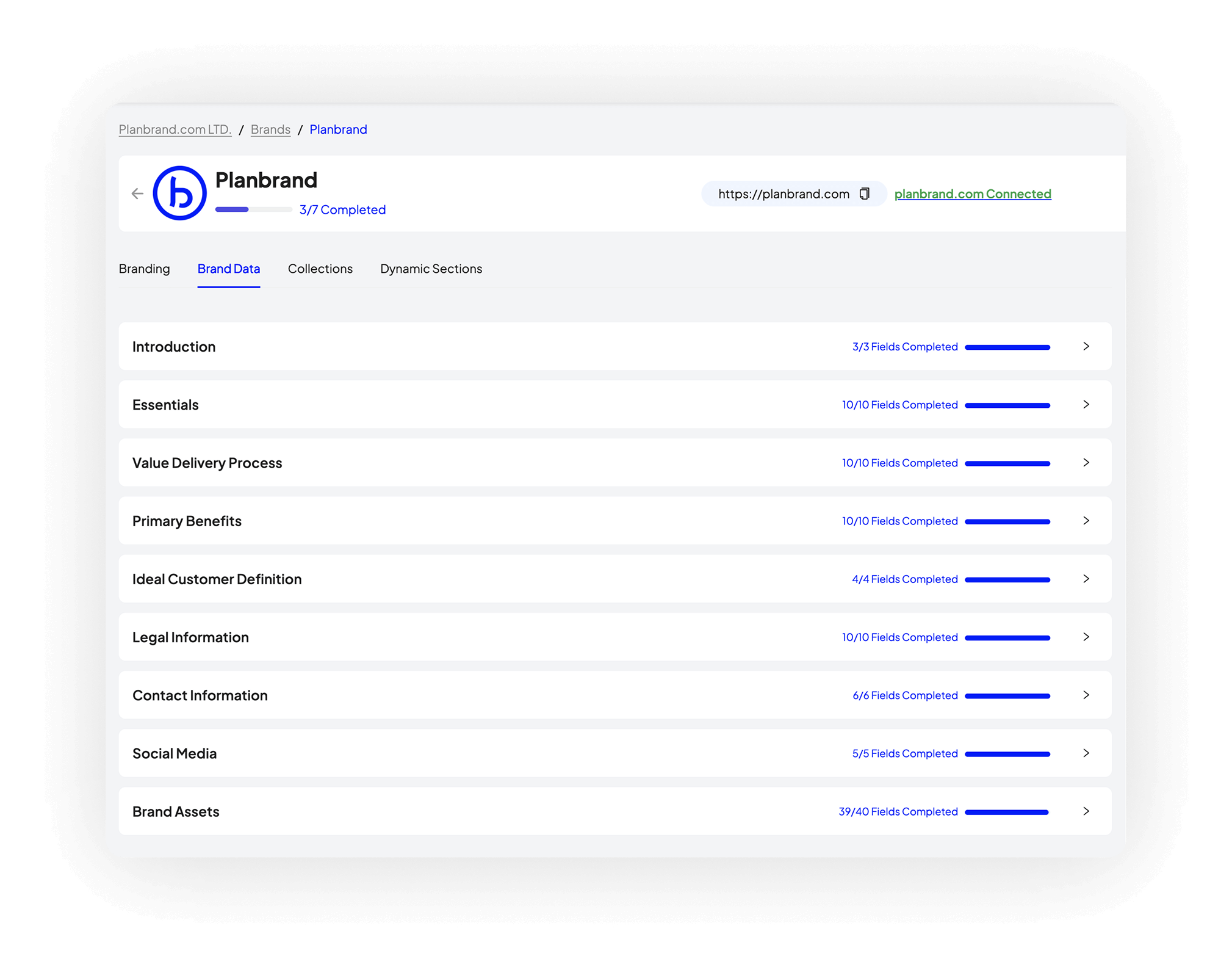
Brand before project management tool
Brand before project management tool
Key differences between a project management tool platform and a brand system
Key differences between a project management tool platform and a brand system
These capabilities exist in Planbrand but not in Asana, and show how a brand system supports work beyond task projects.
Website and CMS
Website and CMS

Products with delivery
Products with delivery
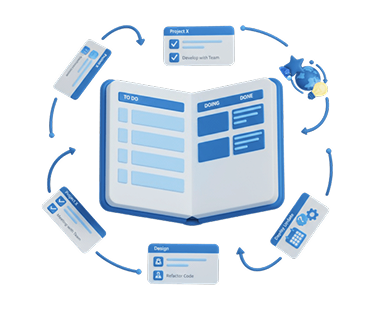
Plans and tasks
Plans and tasks

Multi-brand workspace
Multi-brand workspace

Role-based access
Role-based access
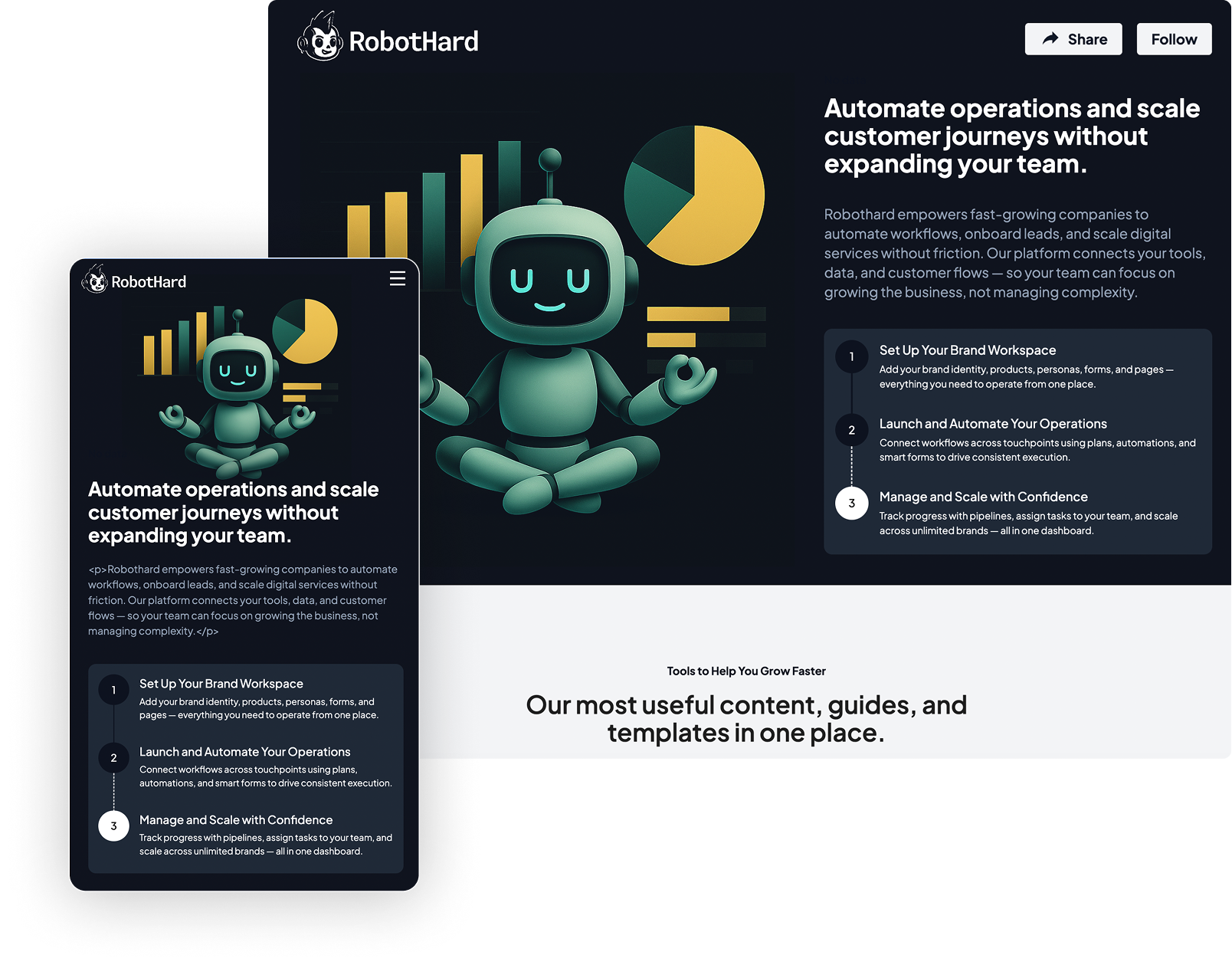
Structure before scale
Structure before scale
Move from project management tool-led work to a connected brand system
Move from project management tool-led work to a connected brand system
This process helps Asana users understand whether their business has outgrown a project management tool-first setup and needs a system that connects website, content, customers, and delivery.
Review your current setup
Review your current setup
List the tools you use around Asana for website, content, and delivery.
Identify disconnected work
Identify disconnected work
Spot where data is copied, repeated, or manually followed up.
Map real operations
Map real operations
Connect products, services, and delivery steps to customer actions.
Decide the right foundation
Decide the right foundation
Choose whether a project management tool or a brand system supports your next stage.

Beyond project management tool limits
Beyond project management tool limits
When your business needs more than Asana
When your business needs more than Asana
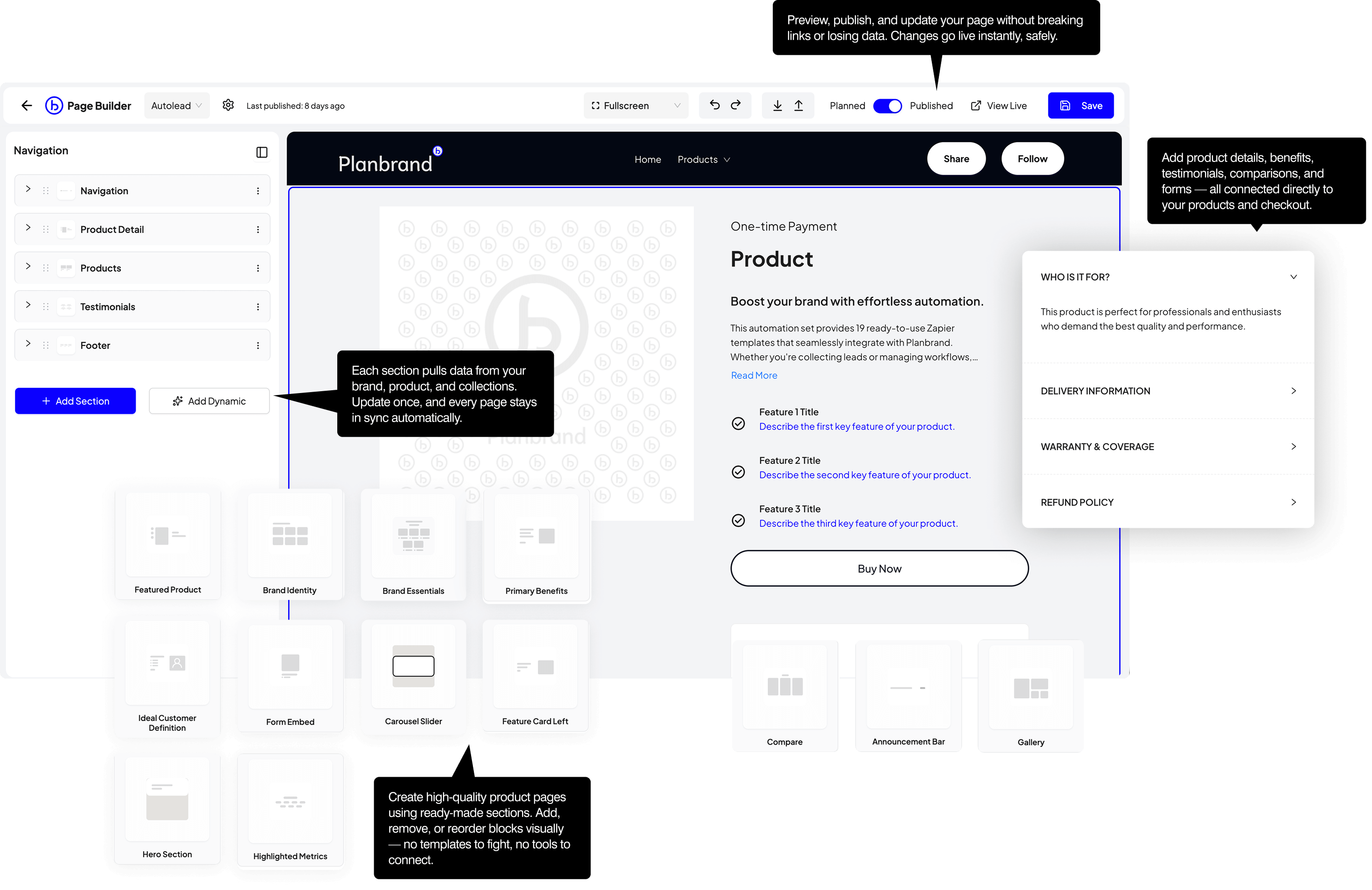
Asana is strong at managing tasks and projects. Planbrand adds structure around the work that happens before and after task.
Website and project management tool connected
Website and project management tool connected
Pages, forms, and contacts share the same data.
Products drive delivery
Products drive delivery
Sales automatically create follow-up work.
Clear internal workflows
Clear internal workflows
Tasks and plans replace manual reminders.
One system, fewer tools
One system, fewer tools
Less context switching for teams.
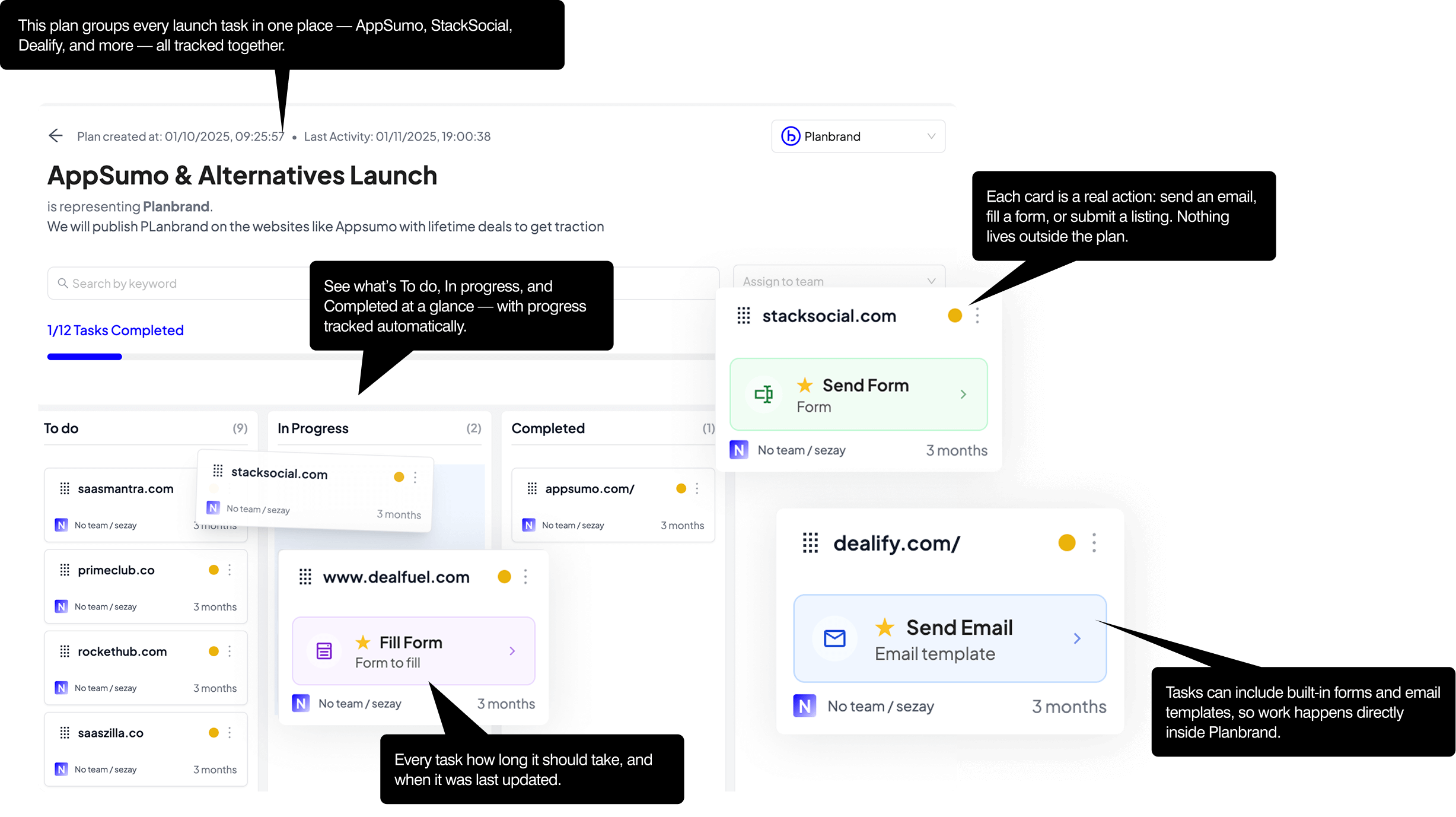
Do you need a project management tool only, or a full business system?
Do you need a project management tool only, or a full business system?
This comparison helps Asana users understand the difference between a project management tool-first platform and a brand system that connects website, content, products, customers, and internal work in one place.
project management tool-only approach (Asana)
project management tool-only approach (Asana)
project management tool separate from website
Content managed outside project management tool
Deals stop after sale
Manual follow-ups
Single-brand focus
Limited role structure
Forms live in silos
External CMS required
Campaign-led structure
Sales-centric view
Multiple tools required
Data copied between tools
Hard to scale structure
project management tool owns the process
Delivery handled manually
Pages not tied to offers
Contacts lack context
No task accountability
project management tool-first reporting
Sales ends the journey
Brand system approach (Planbrand)
Brand system approach (Planbrand)
Website and project management tool connected
Content lives with brand data
Sales trigger delivery workflows
Tasks created automatically
Multi-brand workspace
Clear roles and permissions
Forms feed shared data
Built-in CMS included
Operation-led structure
Full business view
One connected system
Single source of truth
Built for growth stages
Brand owns the process
Delivery mapped in plans
Pages linked to products
Contacts linked to actions
Tasks assigned to teams
Brand-level insights
Customer journey continues
For Asana users exploring alternatives
For Asana users exploring alternatives
Planbrand vs Asana project management tool: common questions
Planbrand vs Asana project management tool: common questions
These questions help teams understand when Asana is enough, and when a brand system like Planbrand becomes more suitable.
Everything your business need. In one place.
Everything your business need. In one place.
When you are managing your business, tools must be simple and connected. These features help you move from idea to action without confusion or extra setup.
One place for your whole business
One place for your whole business
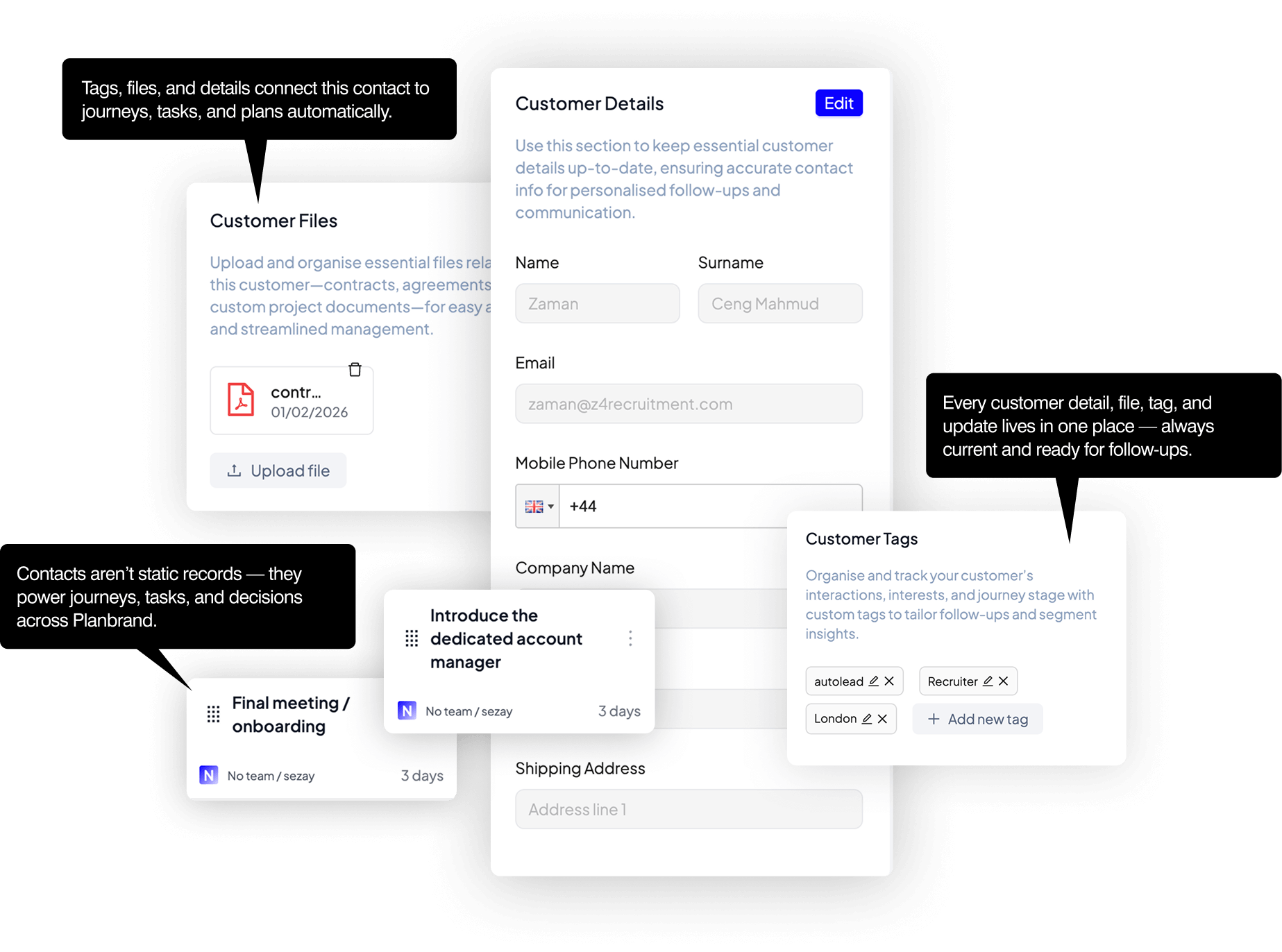
Keep your brand, pages, contacts, and tasks together. No switching between tools or losing track of what matters.
Build pages without technical skills
Build pages without technical skills
Create pages by filling fields instead of designing from scratch. Your content stays clear and easy to update.
Turn visitors into contacts
Turn visitors into contacts
Collect leads with simple forms connected to your workspace. Every contact is saved and organised automatically.
Manage Your Contacts
Stay organised day to day
Stay organised day to day
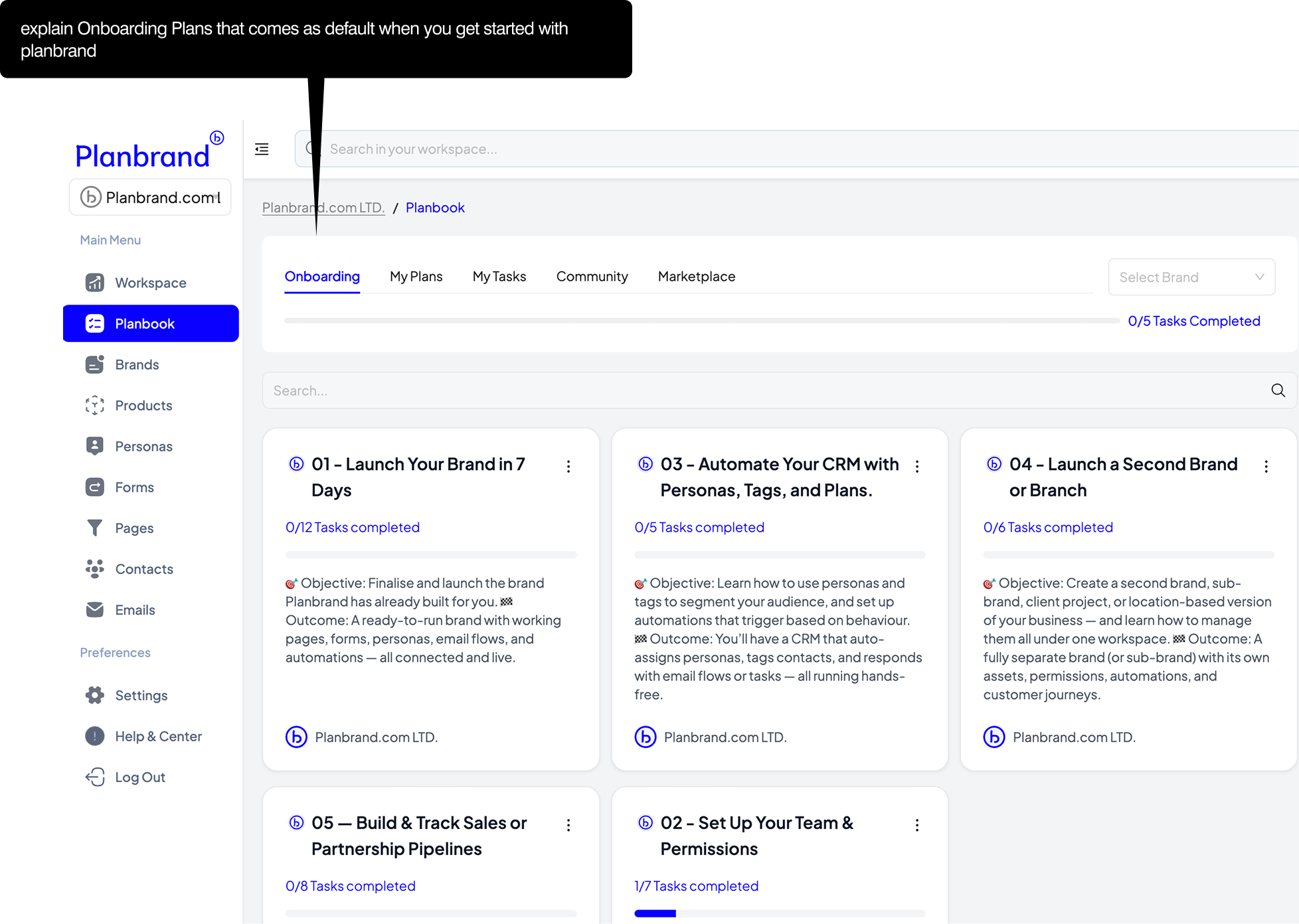
Use plans and tasks to know what to do next. This keeps your work focused when you are working alone.
See Onboarding tasks
Grow at your own pace
Grow at your own pace
Start simple as a solo founder. Add more structure only when your business grows.
Launch Your Website
No setup overwhelm
No setup overwhelm
You do not need to design systems or learn complex tools. Planbrand gives you a ready structure from day one.
See Onboarding tasks
From journeys to tasks — everything connected
From journeys to tasks — everything connected
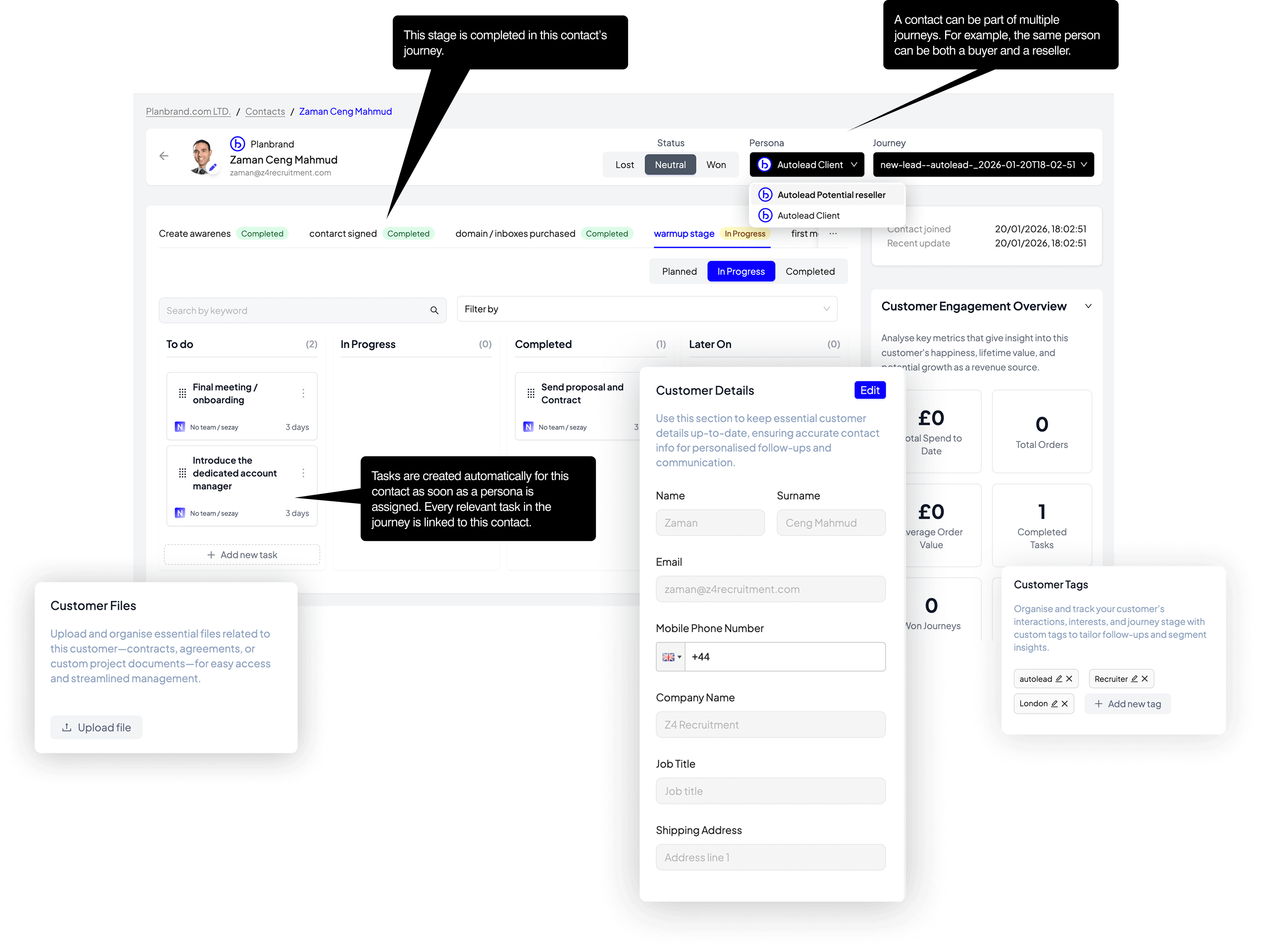
Planbook is where your brand plans come to life. It turns your strategy into clear journeys, stages, and tasks that move every contact forward. Nothing is manual or disconnected — Planbook links people, personas, and actions automatically, so everyone knows what happens next.
Break work into journeys, stages, and tasks that reflect how you actually operate
A single contact can be part of multiple journeys (for example, buyer and reseller)
Tasks are created automatically when a persona or journey is assigned
Track progress clearly with planned, in progress, and completed stages
Design journeys that run themselves
Design journeys that run themselves
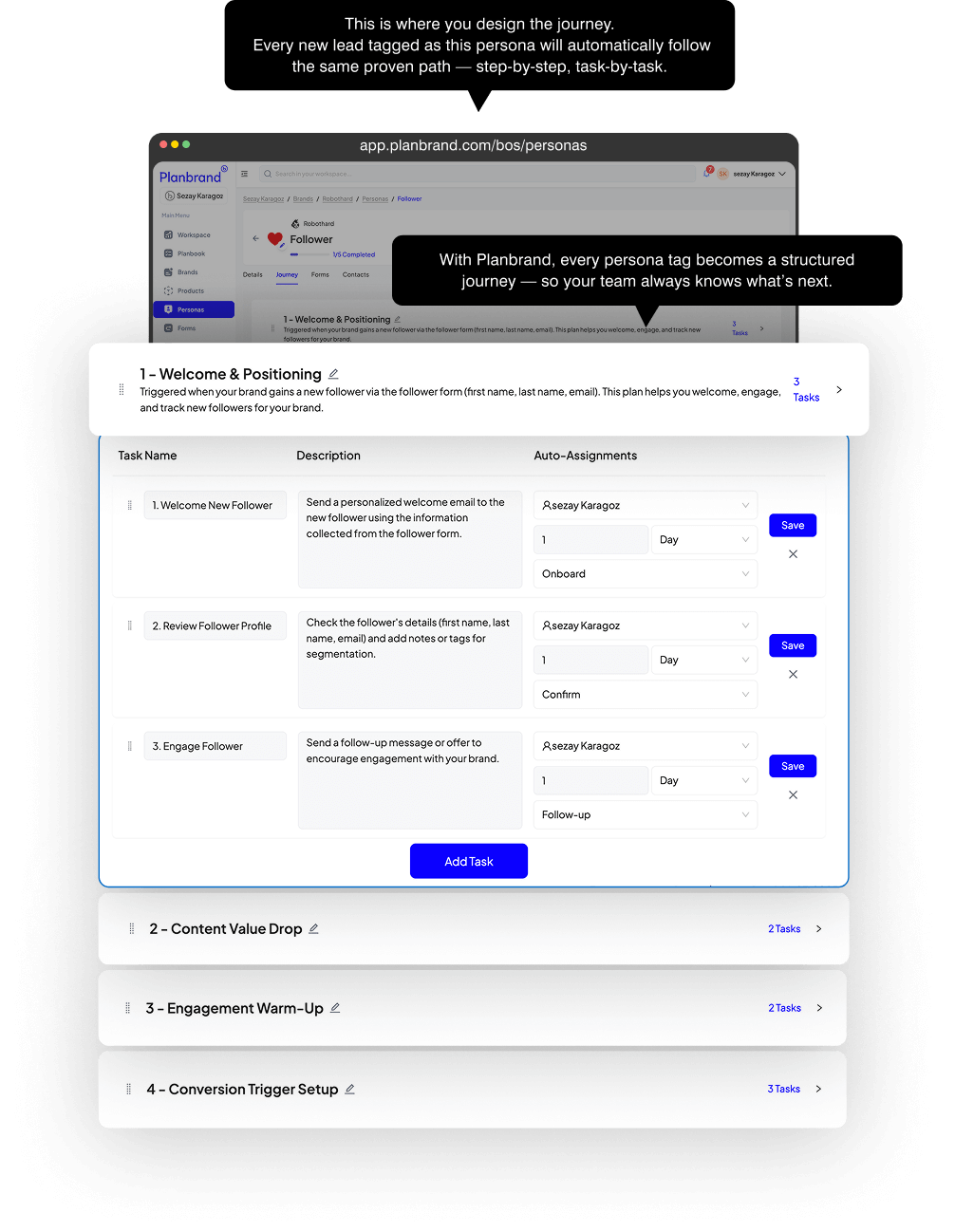
Here you turn a persona into a real, working journey. When someone is tagged with this persona, Planbrand automatically creates their plan and tasks — so nothing is missed and no one has to remember what to do next.
You define the stages once. Planbrand repeats them perfectly for every new contact.
Create journey stages like welcome, engagement, and conversion
Add clear tasks inside each stage for your team or yourself
Auto-assign tasks and timing when a persona is added
Every new contact gets the same proven path, instantly
This is how one decision becomes a system — and your brand runs consistently without manual work.
Every step to turn a contact into a lifetime customer
Every step to turn a contact into a lifetime customer
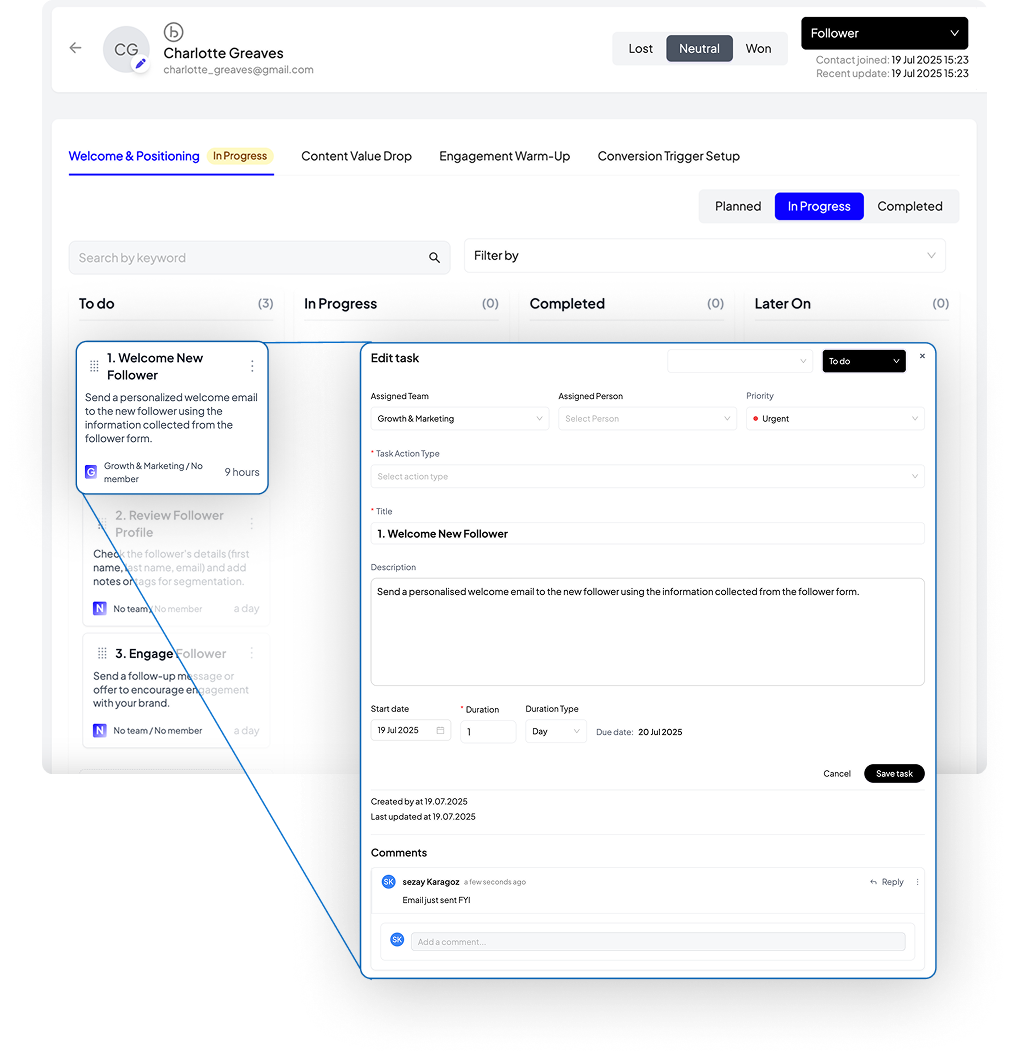
This is where all the actions live that move one person from first contact to long-term value. Every task is intentional, timed, and connected to the same journey — so relationships grow in a structured, human way.
Nothing is random. Nothing is forgotten.
Welcome and position your brand clearly from the first touch
Build trust through value, follow-ups, and engagement
Guide the contact towards the right offer at the right time
Keep improving the relationship after conversion
This is how single actions become long-term customers — one clear task at a time.
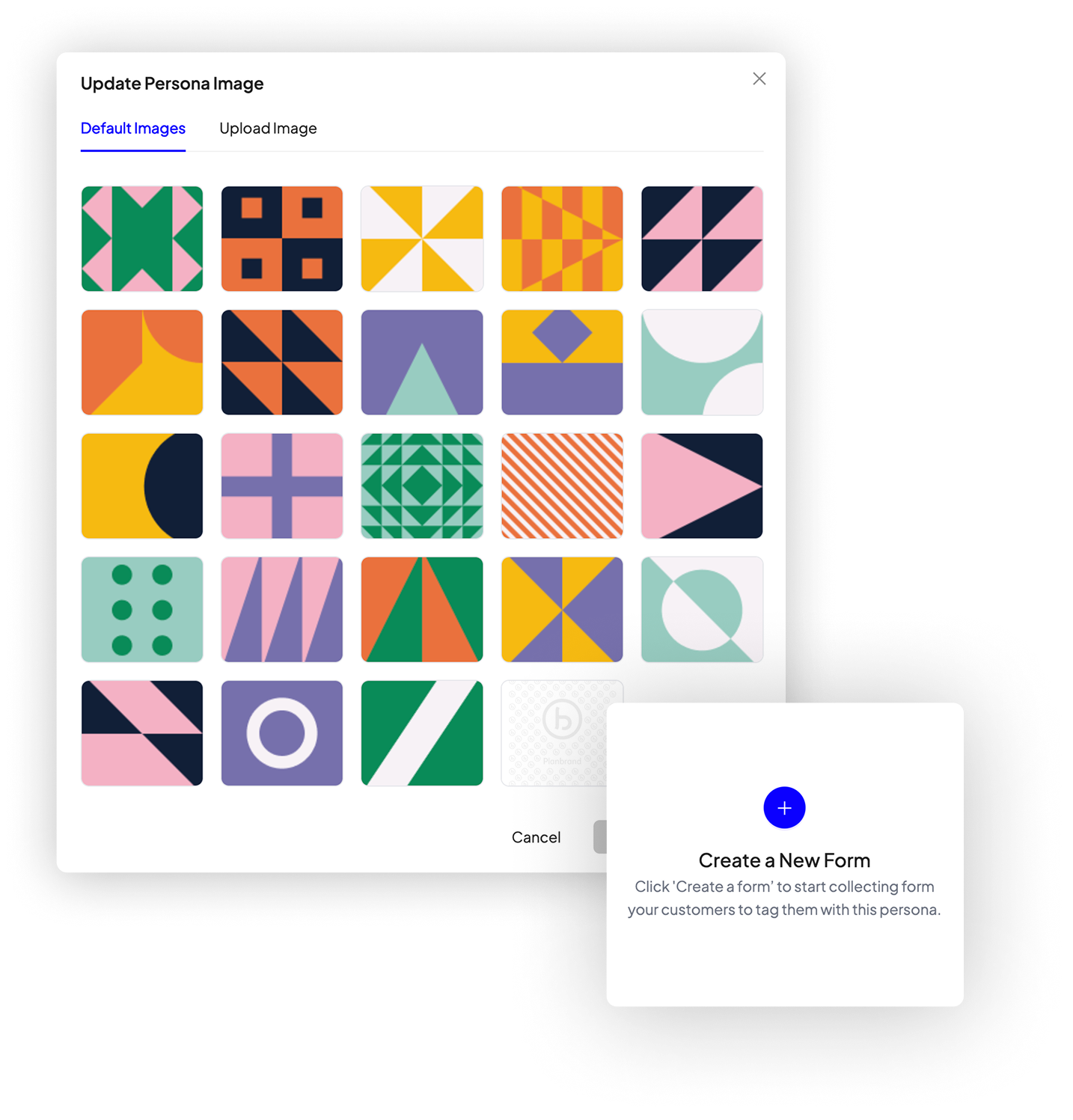
Group your contacts by peronsas
Group your contacts by peronsas
Choose a profile image or upload your own to visually define each persona.
Every persona stays clear and recognisable across your workspace.
Attach a form to this persona.
Every submission is automatically tagged and added to the right audience.
No manual sorting. No extra steps.
When someone submits a form:
The persona is assigned instantly
The correct journey starts
Tasks, reminders, and actions are triggered
Everything moves forward automatically.
If you liked what you saw, start for free
If you liked what you saw, start for free
If this feels clear, simple, and powerful, you don’t need a demo to imagine it. You’re already using it right now.
If this feels clear, simple, and powerful, you don’t need a demo to imagine it. You’re already using it right now.
Create your account and start building your own brand in Planbrand — free.
You’ve Already Seen Planbrand in Action

Planbrand systemises and automates brand operations, so fast-moving businesses can launch quickly, adapt easily, and scale without operational drag.
Company Number: 15574003 - Incorporated on 18 March 2024
8 Clock House Parade, North Circular Road, London, England, N13 6BG
131-133 Upper Richmond Rd, London SW15 2SH
+44 204548 2924
info@planbrand.com